The Summer Capital Logic
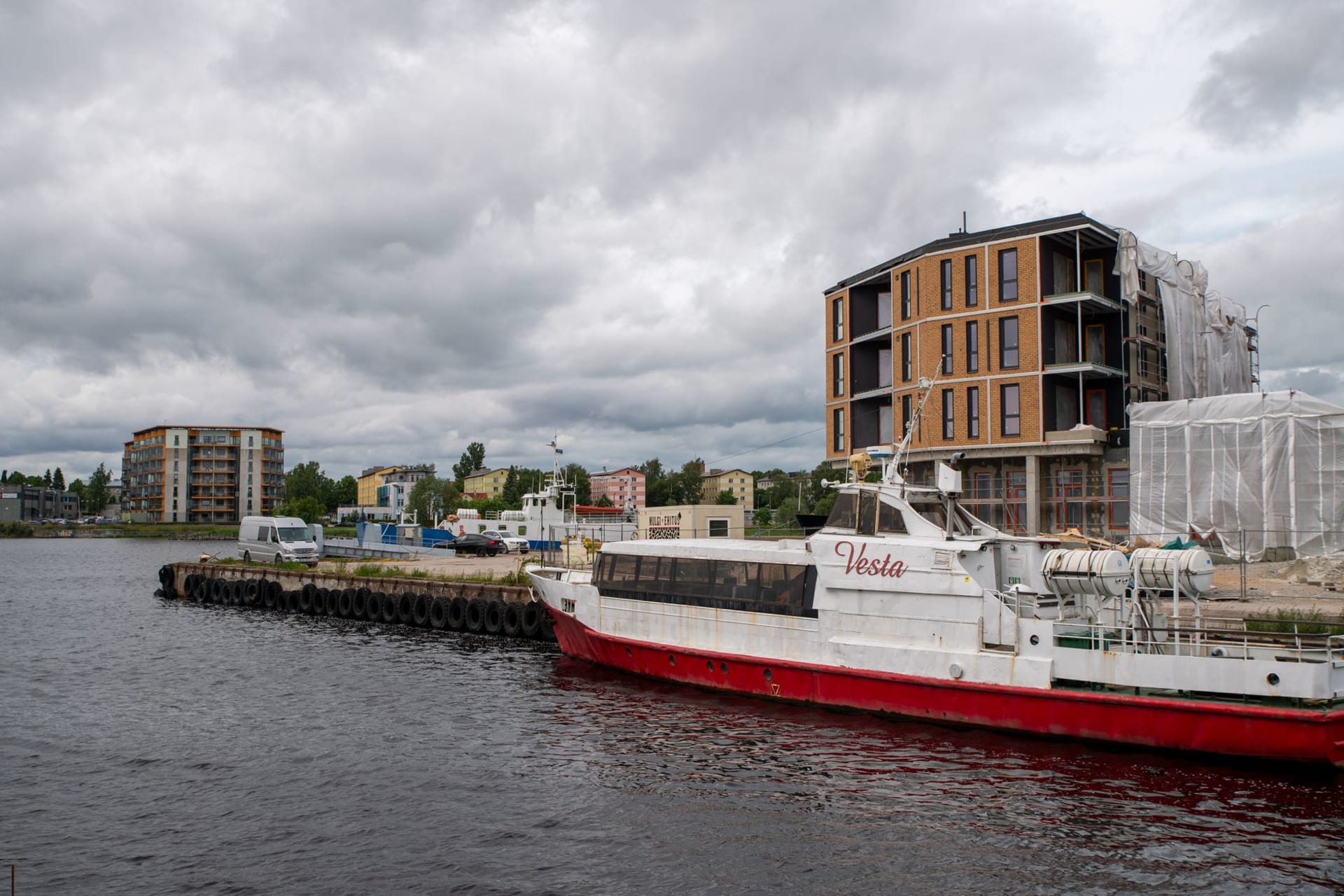
Pärnu earns its title as Estonia’s summer capital through geography: a wide bay, a beach wide enough that it never quite feels crowded, and a town center of art nouveau and neoclassical architecture that somehow survived both occupations and the twentieth century in reasonable condition. The river Pärnu cuts through the city to the sea. In July the promenade along it is full of people walking slowly, as if they’ve agreed collectively to take the afternoon off.
I arrived on a weekday in late June. The light in Pärnu at that time of year is particular — long, golden, unhurried. The sun doesn’t set until after 10 p.m. and the quality of the evening light through the pine trees backing the beach is the kind of thing photographers talk about and the rest of us simply feel as something slowing down inside the chest.
The Beach Itself
The beach at Pärnu is fine sand, pale and clean. The water in the bay is warmer than you’d expect — shallower and more enclosed than the open Baltic, which means it heats up over summer to actually swimmable temperatures. Lia swam. I did not — I have a French indifference to cold water that Mexico hasn’t cured — but I walked the full length of the beach twice and found it genuinely pleasant, which is not something I say about beaches easily.
Behind the beach, the villa district rewards an hour on foot. Wooden summer houses from the 1920s and 30s, many now converted to guesthouses or spas, in ornamental styles that feel vaguely Central European. Estonia was a fashionable resort destination between the wars. It shows in these buildings.
The Old Town’s Proportions
Pärnu’s old town is small enough to understand in an afternoon. The main street, Rüütli, runs a few blocks between an old gate and the river, lined with cafés and small shops in buildings that mix styles cheerfully. The Pärnu Museum of New Art has a focused collection of contemporary Estonian work that I spent an hour in, grateful for the cool and the quiet.
The mud spa tradition in Pärnu is old — medicinal mud from local bogs has been used since the nineteenth century — and the town still takes it seriously. There are several spa hotels offering treatments that range from genuinely therapeutic to mildly absurd. I tried a sauna. It was excellent.
The Pine Forest Walk
Between the beach and the town, a belt of pine forest filters the light and muffles the sound of the resort. Walking through it at dusk, I smelled resin and damp earth and somewhere the salt suggestion of the sea. Estonian nature doesn’t announce itself grandly. It accumulates. By the time I emerged back onto the villa district streets, I felt I’d been somewhere else entirely, though I’d only walked fifteen minutes.
When to go: June through August for the beach and long evenings; July is the peak and feels festive rather than overwhelming by Estonian standards. The Pärnu Film Festival and various music events cluster in summer. Off-season, the town is quiet but the spa hotels stay open and offer their best rates.