Haapsalu
"Tchaikovsky came here for the sea air and wrote music. I came for the same reason and wrote nothing, which felt appropriate."
The Town That Healed People
Haapsalu made its reputation as a health resort in the nineteenth century. The mud — therapeutic mineral mud from the shallow bay — brought aristocrats and artists from St. Petersburg when Estonia was part of the Russian Empire. Tchaikovsky visited three times. The promenade along the bay was built for taking the air. The curative logic was specific: sea air, mud baths, rest, and a landscape that made no demands.
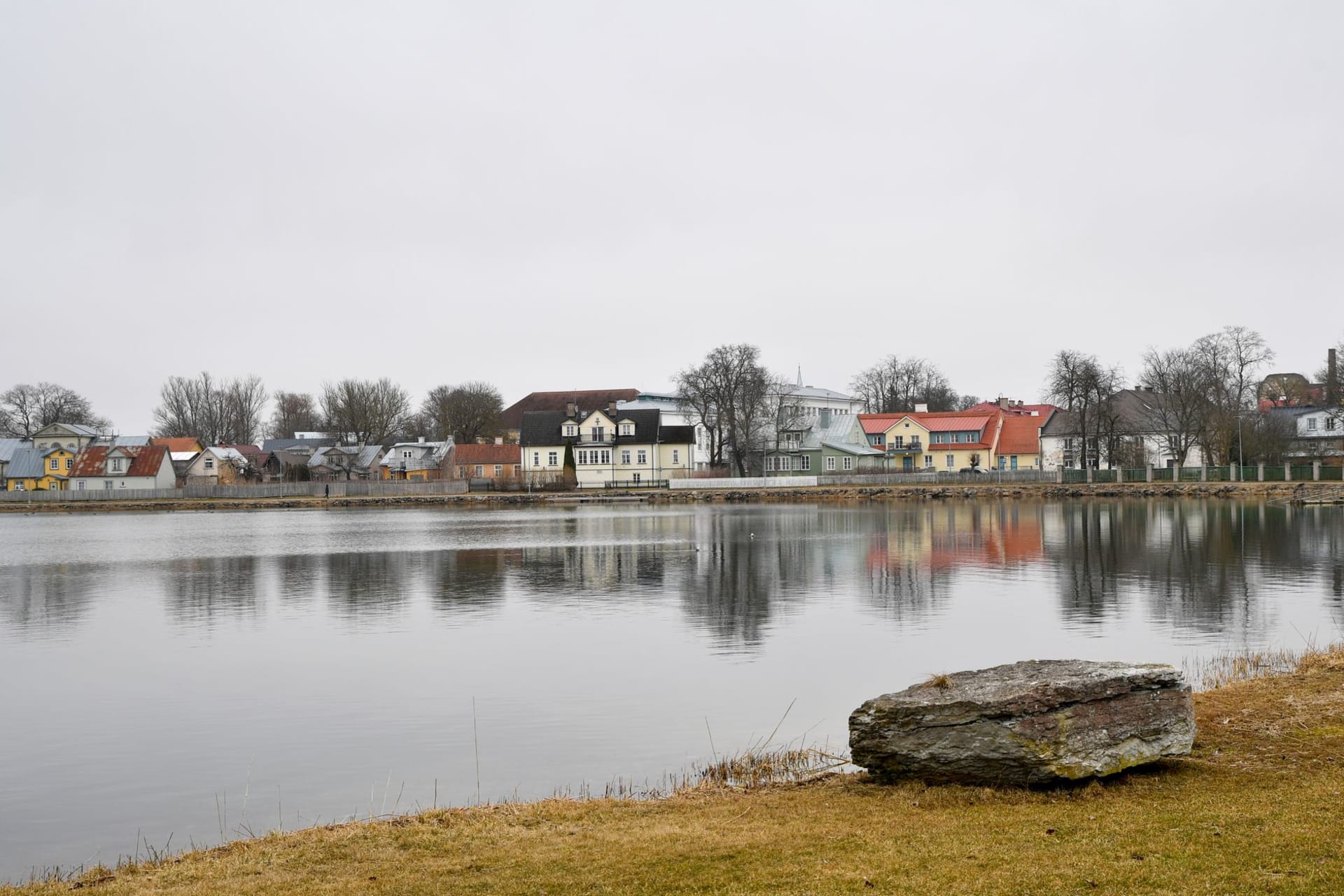
I arrived on an afternoon when low clouds were sitting over the bay and the light had the particular flatness that western Estonia produces — diffuse, gray-silver, the kind of light that makes everything look like it’s slightly underwater. I walked along the promenade for an hour before checking in anywhere. It seemed like the right beginning.
The Bishop’s Castle
The ruined castle at Haapsalu’s center was built by the Bishop of Ösel-Wiek in the thirteenth century and served as the seat of episcopal power in western Estonia for three hundred years. The church within the castle walls is partially intact; the fortifications around it are roofless ruins, their walls colonized by vegetation and jackdaws. At the right time of year, the White Lady appears in the cathedral window — a legend about a girl who hid in the walls to be with her lover, died there, and whose image appears as a reflection of the full moon in August. Haapsalu organizes a festival around this each year with the seriousness of a town that knows a good story.
I visited outside this window but found the castle compelling regardless — the scale of it, the way the ruins have been left as ruins rather than reconstructed into a theme. The grass inside grows long.
The Wooden Town
Haapsalu’s residential streets away from the center are lined with wooden houses from the resort era — late nineteenth and early twentieth century, with the carved window frames and verandas that Estonian wooden architecture does better than anyone. Many are guesthouses now. A few are clearly family homes in various states of upkeep, which makes the neighborhoods feel lived-in rather than preserved.
The Tchaikovsky bench at the end of the promenade is a memorial — a bench with a sculpture of the composer — that I sat on briefly. The view from it is across a flat, shallow bay toward distant low hills. I could understand why someone might compose here. The silence has a particular texture.
The Flamingos
Haapsalu Bay is one of the westernmost regular wintering sites for greater flamingos in Europe. They arrive in small numbers — a dozen, occasionally more — and stand in the shallow water of the bay through late autumn and winter. The first time I saw this mentioned I assumed it was exaggerated. It is not. Flamingos in Estonia in November is a real thing that the landscape accommodates without apparent comment.
The bird observation platform near the bay is straightforward, and in the right season the flamingos are visible with binoculars. Everything about this scene is improbable and correct.
When to go: June and July for the longest evenings on the promenade. August for the White Lady festival and warm water in the bay. October and November if you’re seriously interested in flamingos — they arrive as temperatures drop. Winter is quiet; the spa traditions mean some hotels stay open and offer treatments worth investigating.