
San Salvador
"San Salvador doesn't perform for you. It just goes about its business, and I respected it more for that."
El Salvador's capital is loud, congested, and unglamorous in the ways that make a city honest, with the Boquerón volcano watching over all of it like a patient relative.
I arrived in San Salvador on a Tuesday afternoon in the kind of traffic that turns a fifteen-minute ride into an hour, the bus inching down Alameda Roosevelt past auto parts shops and pupusa stands and men selling phone chargers through the window gaps. I had been warned the city was intense, and it is, but not in the way the warnings implied. It is intense the way any Latin American capital of two million people is intense — dense, unplanned, alive at every hour, and largely indifferent to whether a visitor finds it charming. I found that indifference oddly comforting. Nobody was selling me an experience. The city was just being itself.
The volcano that never leaves the frame
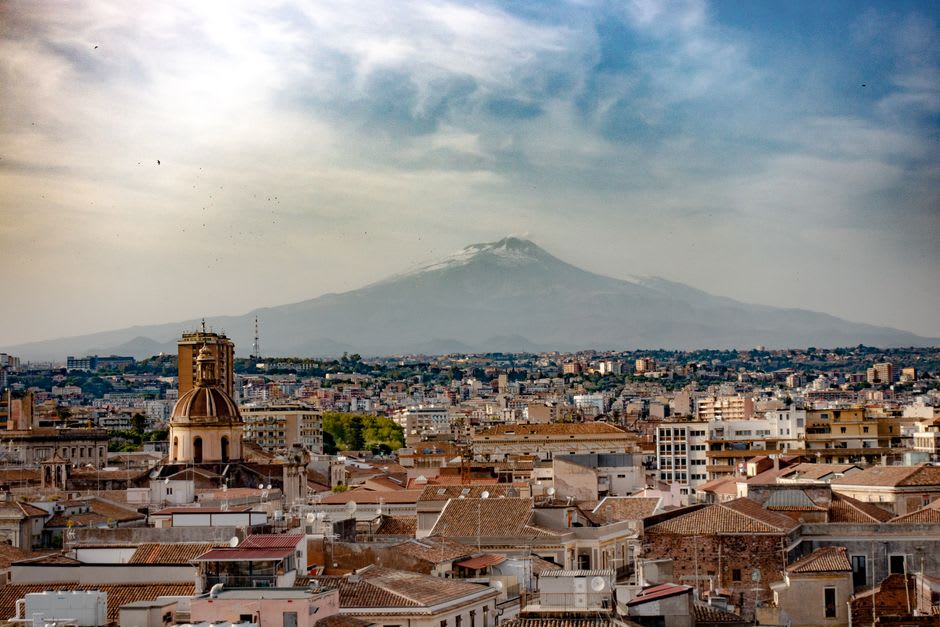
What struck me most, once I’d been in the city a few days, was how the Volcán de San Salvador — locally just called Boquerón — is never actually out of view. You round a corner downtown and there it is, a green wall behind the rooftops. You’re stuck in traffic on the Bulevar de los Próceres and it’s framing the horizon. The mountain gives the whole sprawl a sense of scale it wouldn’t otherwise have, this reminder that the city was built on the flank of something that could, in theory, still do something about it. Locals mostly ignore it the way New Yorkers ignore the Empire State Building, but for me, fresh off the bus, it kept pulling my eye upward mid-conversation.
El Rosario and the light that isn’t there until it is
The Iglesia El Rosario is the one building in San Salvador that made me stop and actually think, rather than just look. From outside it’s an ugly concrete bunker, deliberately so, no steeple, no ornament, and I almost skipped it because it looked closed. Inside, it’s something else entirely: the entire structure is threaded with narrow bands of stained glass that run in undulating waves from floor to ceiling, so the concrete practically dissolves into color. I sat in a pew for twenty minutes just watching the light shift as clouds passed outside, red and blue and amber sliding across the abstract sculptures near the altar. A caretaker sweeping the aisle told me the architect designed it deliberately without right angles, so the light would never fall the same way twice. I’ve been in a lot of churches. I don’t think I’ve been in one that surprised me like that.

Outside the historic center, the contrast with the countryside an hour in any direction is jarring in the best sense — you leave the noise and the diesel fumes and within forty minutes you’re on a coffee road climbing into cool, quiet hills. That contrast is, I think, the real argument for spending two or three days in the capital rather than skipping straight to the volcanoes and beaches: San Salvador makes everything else in the country feel more remarkable by comparison.
When to go: November through April, during the dry season, when the traffic is the same but the air is clearer and the volcano stays visible more days than not. Avoid driving during rush hour if you can help it — mid-morning or early afternoon is far more sane.