
El Tunco
"The left at El Tunco doesn't care how tired you are. It just keeps offering itself up."
I arrived at El Tunco in the dark, an hour before sunrise, and found the village already half-awake. A woman was lighting the gas under a pot of black beans at a comedora without walls, the smell drifting across the road with the sea air. Two surfers walked past me toward the water, boards under their arms, speaking in that low focused register people use when they are about to do something that requires their full attention. I followed them down to the beach without quite deciding to.
The sand at El Tunco is black — volcanic, fine-grained, still holding the night’s coolness underfoot. The Pacific arrived in long dark sets in the pre-dawn, the wave breaking left off the rocky headland in a clean, consistent peel that I could read even from the shore. This is what people mean when they say El Tunco has a proper wave. It is not a beginner beach break. It is a grown-up left that rewards commitment and punishes hesitation.
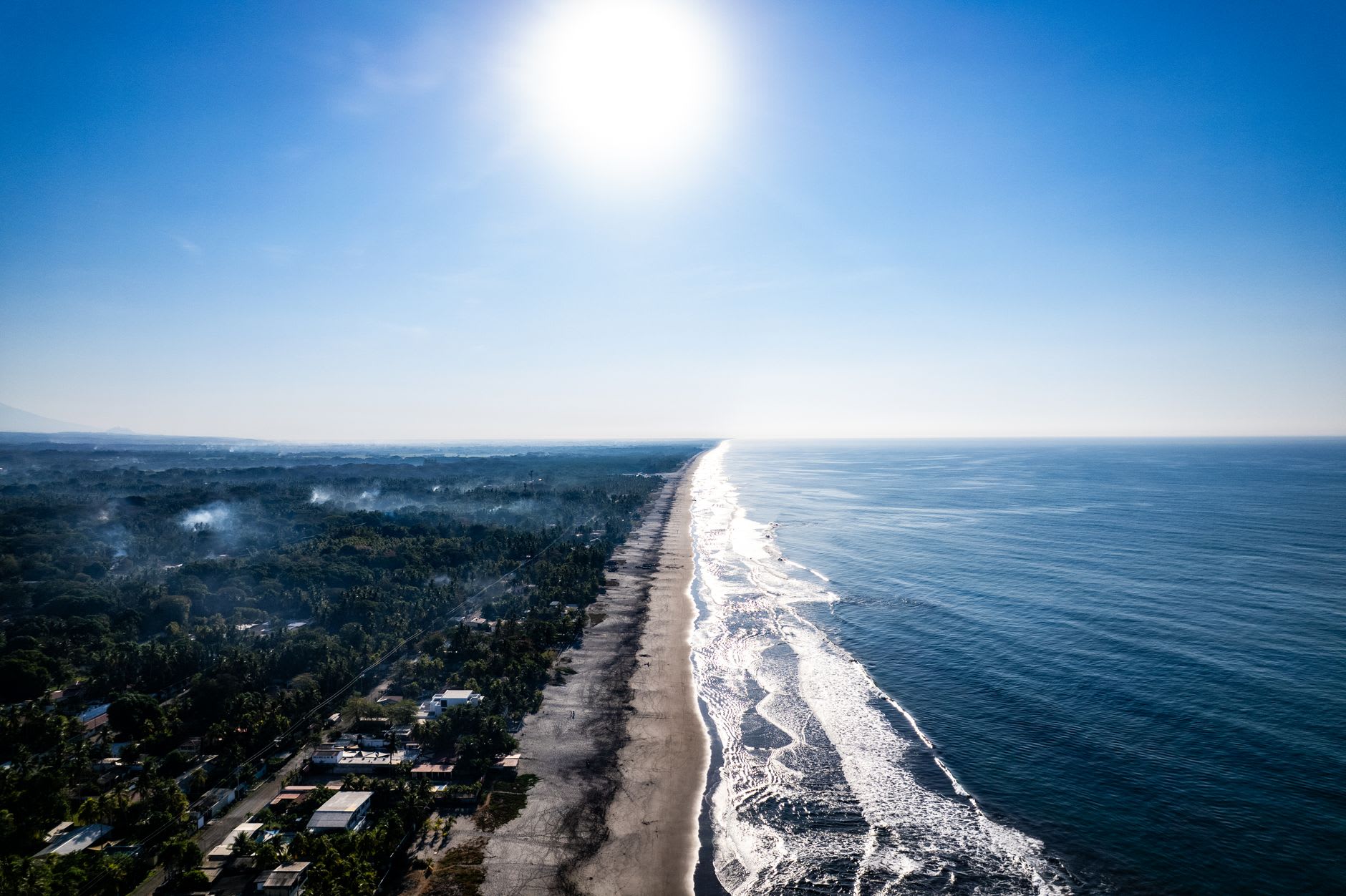
By eight in the morning I had been in the water twice, eaten a plate of eggs with salsa roja and a tortilla the size of a dinner plate, and was sitting in the shade of a palm-thatch palapa watching the tide shift. El Tunco has the particular atmosphere of surf villages that have been populated long enough by serious travelers to develop their own culture: a mix of Salvadoran families who have run comedoras here for generations, foreign surfers who rented a room for a week five years ago and never quite left, and a younger generation of San Salvadoreños who drive out on Friday afternoons to decompress from the city. It is not polished. The road through town is dusty when it is dry and muddy when it rains. But the vibe is earned rather than manufactured, and there is a difference you can feel.
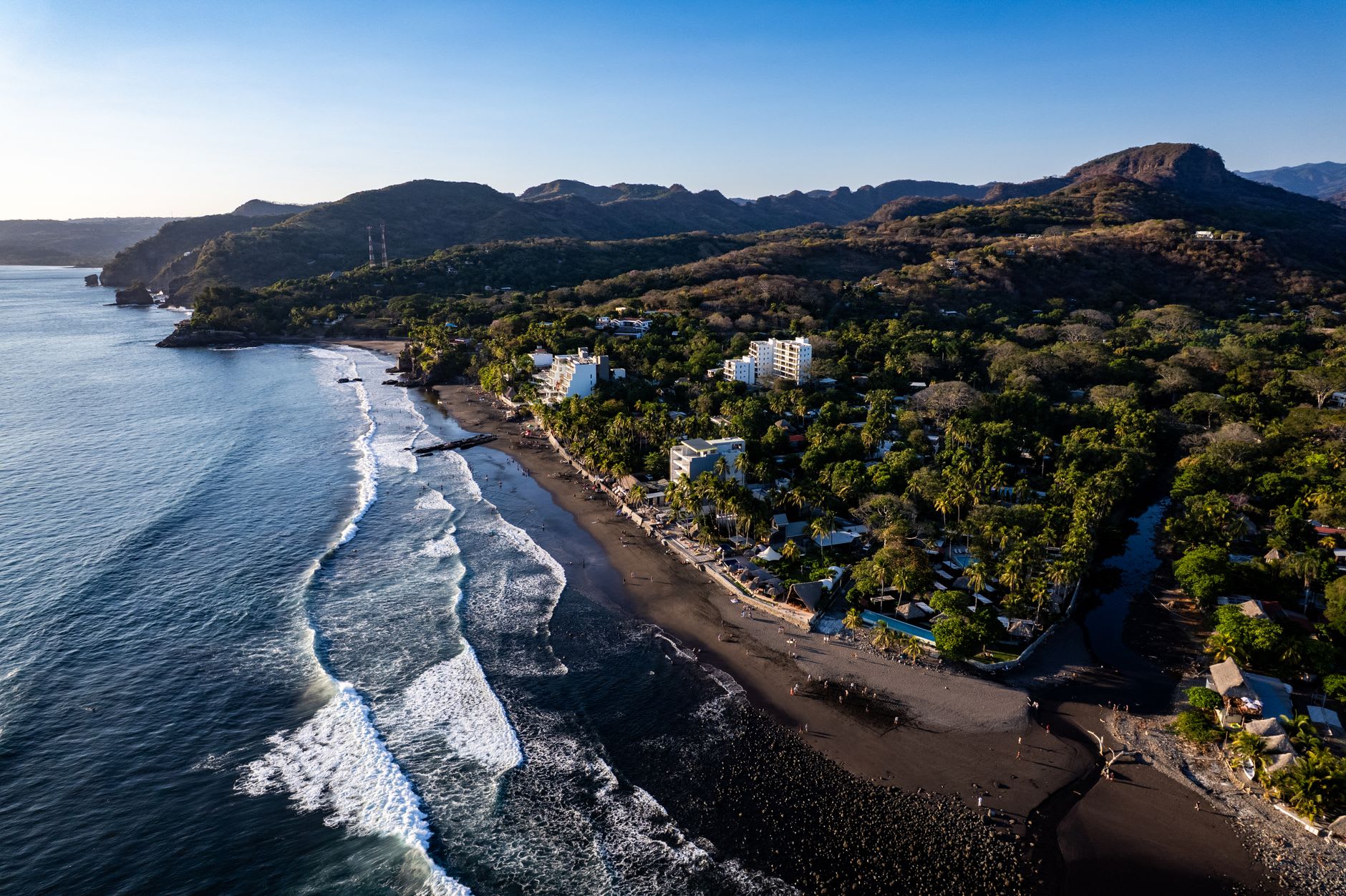
The evenings at El Tunco belong to the sound of the Pacific. Even in the bars — and there are a few, playing reggaeton and pouring craft beers from San Salvador — the ocean is always audible. I ate grilled fish at a table six meters from the water, watching the last surfers chase the sunset, and felt the particular satisfaction that comes from a day spent mostly horizontal on a surfboard: pleasantly wrecked, skin tight with salt, hungry for everything. The further beaches along this stretch — El Zonte, El Cuco, Las Flores — are each worth exploring if you have time and a rental car. But El Tunco is the hub, the place where the Pacific coast finds its social center, and the wave itself remains the point. Everything else is what grew up around it.
When to go: November through April for the most consistent surf and dry weather. The biggest swells typically hit between November and February. Mornings are best before the onshore wind picks up — be in the water by six if you can.