Coca
"Nobody comes to Coca to stay in Coca — but everyone going deeper into the Amazon has to pass through it first."
A rough-edged river port on the Napo where oil trucks and dugout canoes share the same waterfront, and where every serious trip into the eastern Amazon begins.
Coca — officially Puerto Francisco de Orellana, though I never once heard anyone call it that — has the specific charmless energy of a transit town that knows exactly what it is. Oil company trucks and pickup trucks with company logos share the streets with moto-taxis, the waterfront smells of diesel and river mud in roughly equal measure, and almost nobody I met was actually staying more than a night. I liked it anyway, in the way you like an airport that’s honest about being an airport.
The Confluence, and What It Means Downriver
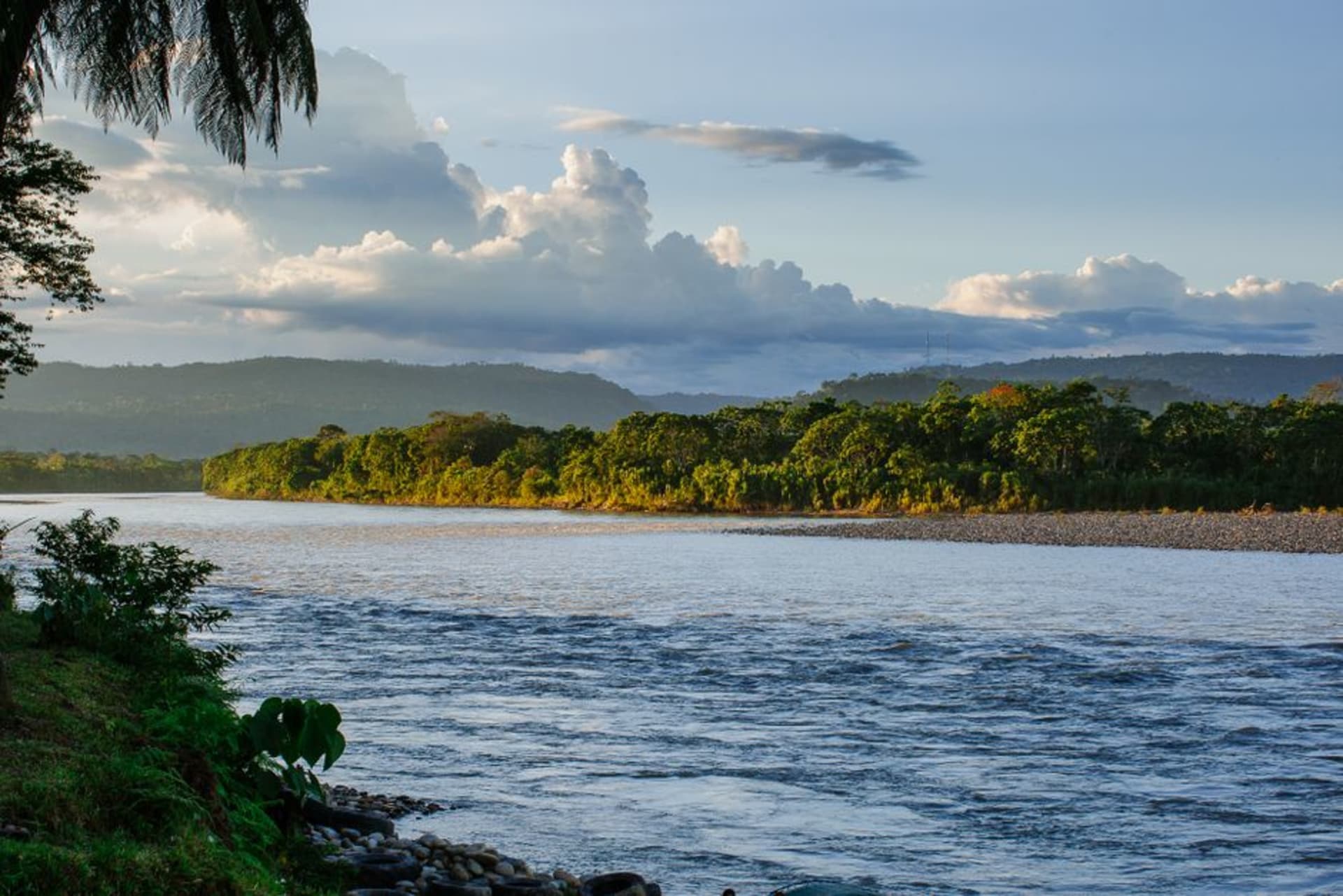
Coca sits where the Coca River meets the much larger Napo, which itself eventually feeds the Amazon proper, and this confluence has made it the logistical gateway to the entire eastern lowlands — Yasuni National Park, dozens of jungle lodges, and communities along hundreds of kilometers of river all get reached by boat from this one waterfront. I spent an afternoon just watching the dock: motorized canoes loading crates of beer and gasoline destined for settlements six hours downstream, families traveling with chickens and mattresses strapped to the roof, a couple of backpackers in new rain jackets clearly headed to their first lodge booking.
The Malecon and an Honest Sunset
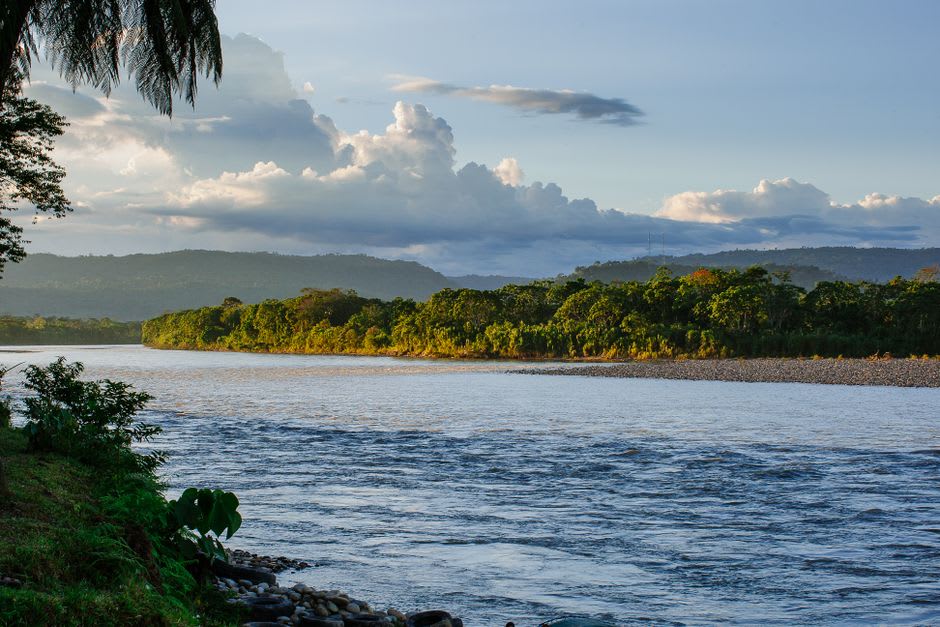
Coca’s riverside malecón is modest compared to the polished versions in Guayaquil or Manta, but it has its own appeal at dusk, when the heat breaks slightly and families come out to eat fried plantain and grilled meat from carts along the water. I sat on a bench and watched the light go orange over the Napo, a pair of parrots crossing low over the water toward the far bank, oil-flare light visible faintly on the horizon in the other direction — a genuinely two-sided view that captures the tension running through this whole region better than any explanation could.
Using Coca as a Base, Correctly
The mistake I nearly made was planning to explore independently from Coca itself — there’s not much to see in the town beyond a day, and the real Amazon experience starts hours downriver by boat, at lodges or community-run operations that need to be arranged in advance. I’d recommend booking your onward jungle stay before arriving, treating Coca strictly as the overnight stop and supply run it’s built to be, and resisting the urge to linger past the one night it actually takes.
When to go: Coca is a year-round gateway; timing should really be dictated by whichever downriver lodge or reserve you’re headed to rather than the town itself. Confirm your onward river transport a day in advance — schedules here shift with water levels and fuel availability more than posted timetables suggest.