Provesende
"We drove up expecting a viewpoint and found a village that time genuinely forgot."
A hushed hilltop village of granite manor houses and stone lagares, forgotten by the crowds that pack the river towns below.
Lia found Provesende on a map almost by accident, a name tucked into the folds of the Douro Valley with no obvious reason to visit beyond the fact that almost nobody else seemed to go there. We’d already done the postcard version of the region, the boat rides, the terraces photographed from every angle, so when we saw it was one of the six Aldeias Vinhateiras, the historic wine villages inscribed within the Alto Douro’s UNESCO listing, we decided a detour was worth the narrow, switchbacking road. Nothing prepared me for how quiet it was. We parked near the old fountain and didn’t see another tourist for over an hour.
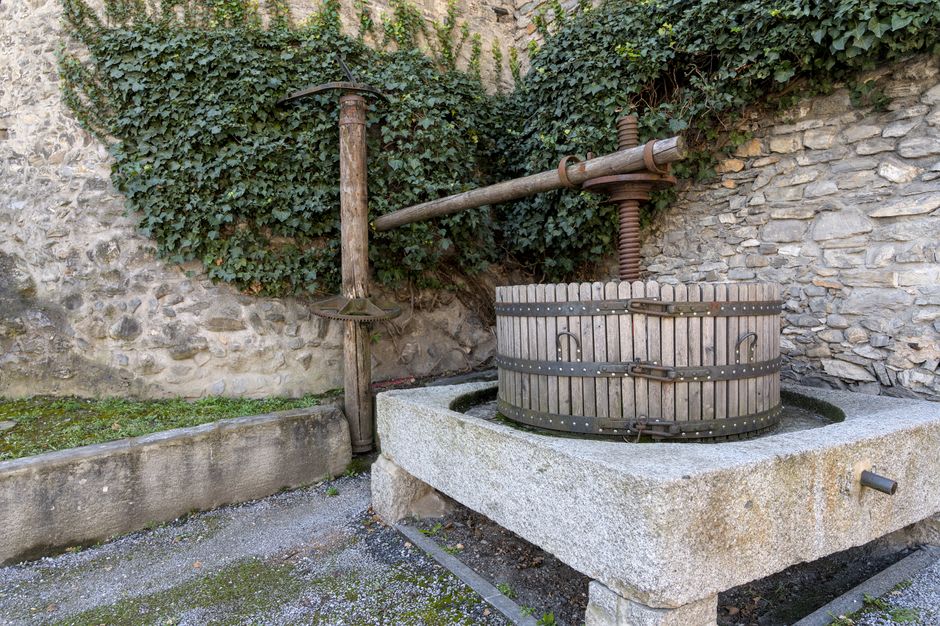
What struck me first was the granite. Provesende was once one of the wealthiest settlements in the valley, and its old money is still standing: heavy stone manor houses with carved coats of arms above the doorways, their shutters closed, looking less like ruins than like a village that simply paused mid-sentence. I wandered into an old wine warehouse whose door had been left ajar and found a lagar inside, one of those broad stone troughs where workers once trod grapes barefoot, its granite worn smooth in a way that no chisel could fake. Lia crouched down and ran her hand along the edge of it and said something I still think about, that it felt less like a museum piece and more like a tool someone had simply put down and never picked back up.
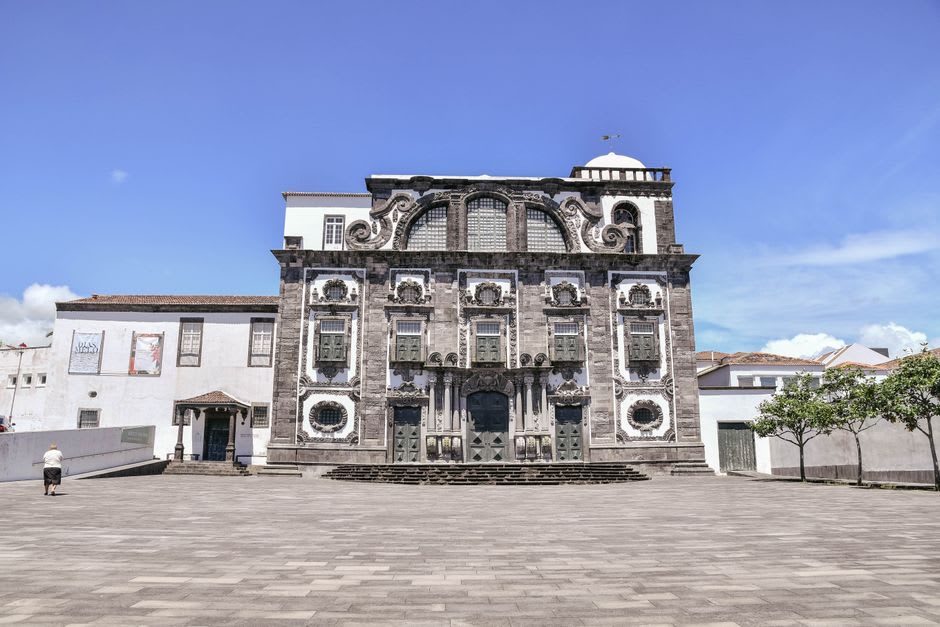
We ate lunch on a low wall across from the Church of Sao Domingos, an 18th-century Baroque and Neoclassical building that felt almost oversized for a village this small, its facade catching the early afternoon light in a way that made the whole square glow gold for about twenty minutes. An old man selling nothing in particular, just sitting outside his house, told us in halting Portuguese-Spanish that Provesende used to be busier than Pinhao, hard to believe standing in that silence, but he said it with a kind of quiet pride rather than nostalgia.
By the time we left, the light had shifted and the terraces below the village had gone that deep green-gold color the Douro seems to specialize in at the end of the day. I kept thinking about how a place this rich in stone and history stays so overlooked, and honestly I hope it stays that way a little longer, selfishly, because we had it almost entirely to ourselves.
When to go: If you can time it for September or October, the grape harvest, or vindima, brings the village’s old stone lagares back to life with actual foot-treading, which is worth planning a trip around.
Keep exploring
More from Douro Valley
 douro-valley
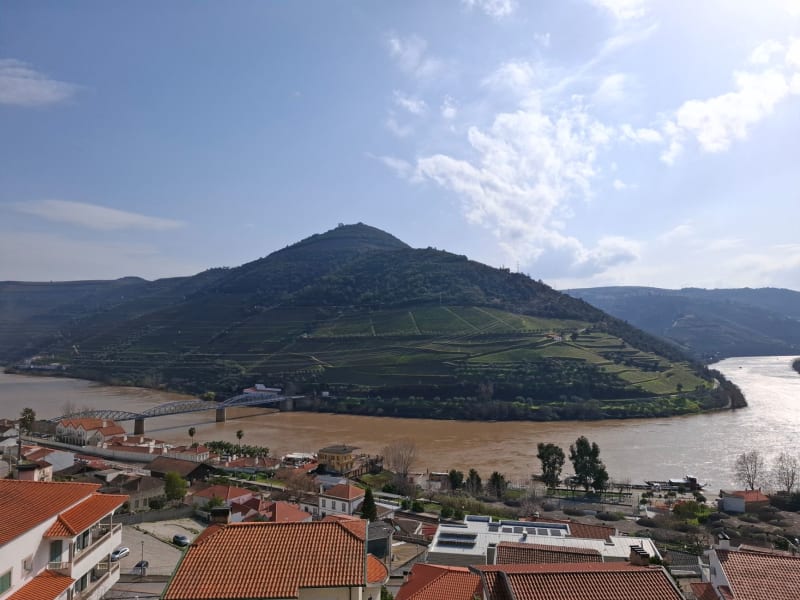
 Sabrosa
The village that gave the world Magellan quietly gets on with making wine, indifferent to its own historical significance.
Explore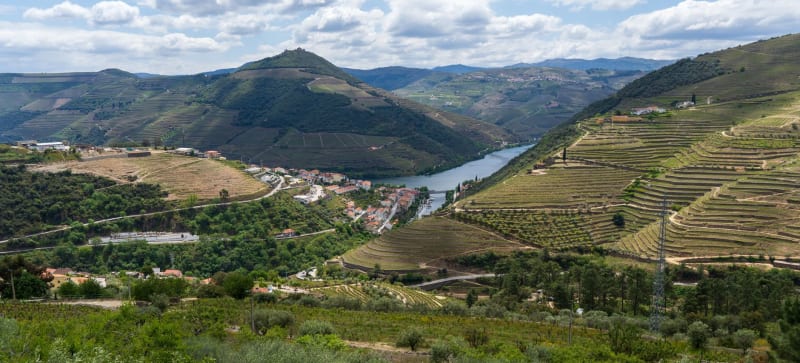 douro-valley
 São João da Pesqueira
A schist village perched five hundred metres above the gorge, where the Douro looks small and the silence is enormous.
Explore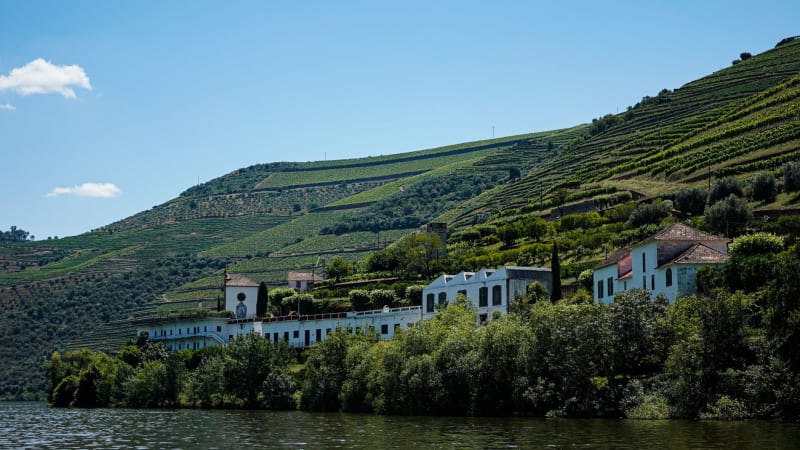 douro-valley
 Tua
A near-ghost village where the Tua river cuts a dramatic gorge into the Douro and a vanished railway left its bones behind.
Explore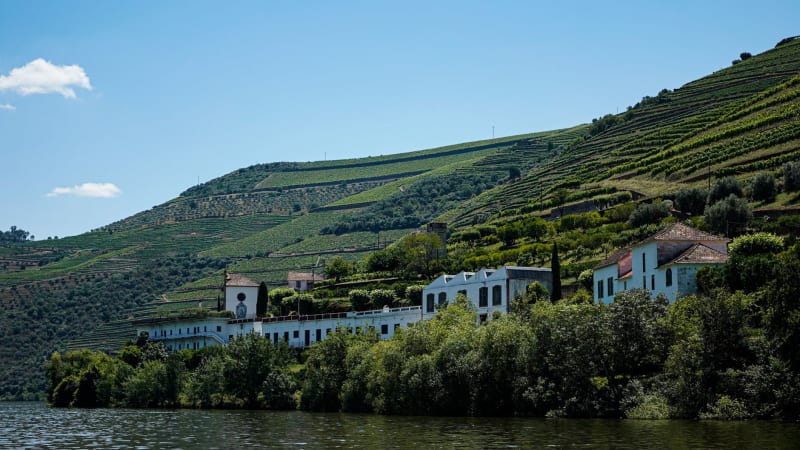 douro-valley
 Alijó
A working hill town above the Cima Corgo where the wine pours from cooperative tanks and nobody is performing for anyone.
Explore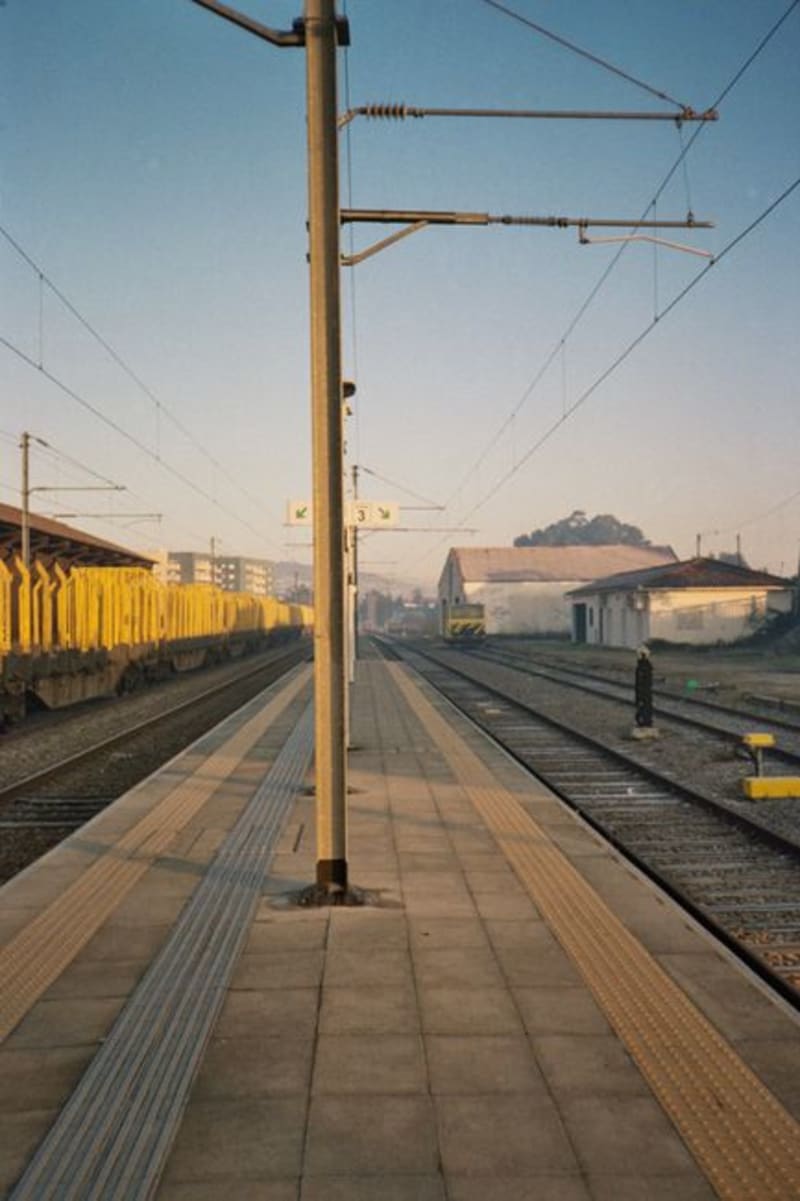 douro-valley
 Barca d'Alva
A forgotten border village where the railway once ended and the Douro slips quietly into Spain.
Explore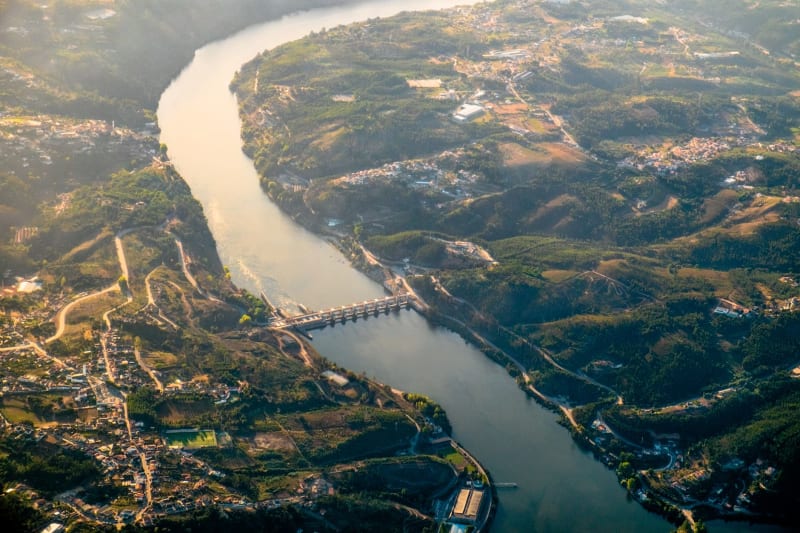 douro-valley
 Carrazeda de Ansiães
Castle ruins on a schist promontory above the wild Douro Superior, where medieval history and the present feel equally unfinished.
Explore