Freixo de Espada à Cinta
"Three hours from Porto and the world falls quiet in a way that city people mistake for emptiness but isn't."
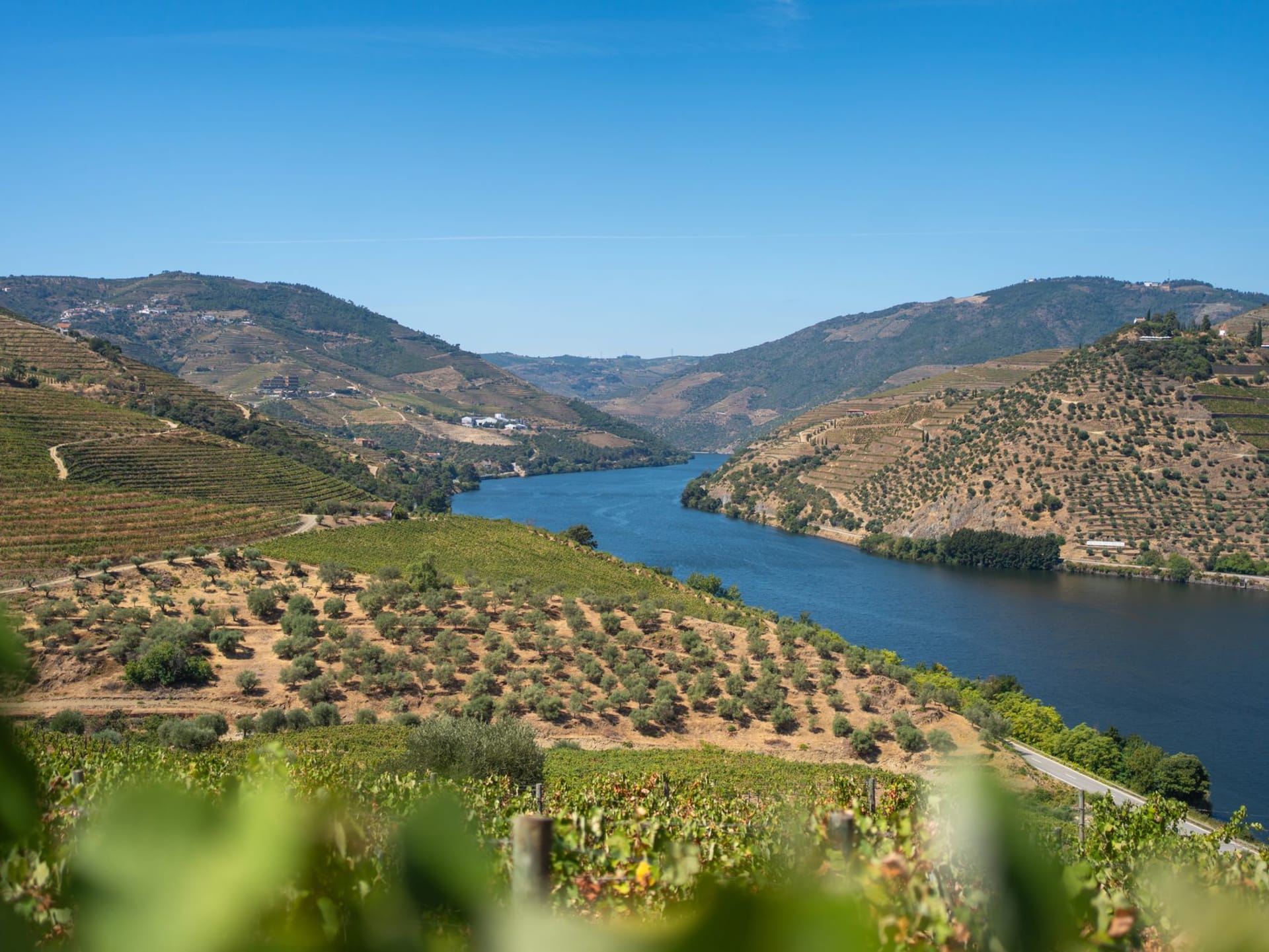
Getting to Freixo de Espada à Cinta requires commitment. From Pinhão, the road runs east along the Douro for nearly a hundred kilometres, the river gorge deepening and the landscape growing wilder and more schist-coloured and more emptied of people with every kilometre. By the time I crossed the last range of hills and dropped into the Douro Superior, the Spain-facing hinterland where the river almost reaches its source, I had the road entirely to myself. The valley here is harsher than the Cima Corgo — the schist sharper, the slopes more vertiginous, the villages further apart and smaller — and it produces a corresponding effect on the traveller: a sense of reaching somewhere that does not particularly need to be reached, which is its own kind of lure.

The town itself contains one of the finest Manueline towers in Portugal — a hexagonal Gothic-Manueline structure from the sixteenth century, rising above the main square with a quiet authority that seems disproportionate to the town’s current population. The church of São Miguel alongside it has a triptych attributed to Garcia Fernandes, one of the important painters of the Manueline period, which hangs in polite obscurity in a side chapel and which I found only by asking the woman who runs the café beside the church, who produced a key from her apron pocket and walked me over. This is the logic of Freixo: the important things are here, but they are not arranged for visitors and they will not wait for you.
Between February and March, the hills around the town are white with almond blossom — one of the traditional signals of spring in the Douro Superior, before the vine buds break. The almond trees here are old, untended in the industrial sense, their gnarled trunks growing out of the schist in ways that suggest they arrived under their own power. The blossom has a specific quality of light that photographers come long distances to capture: very white against the dark schist, with a brief window of peak bloom when even an indifferent photographer can make something beautiful.

The economy here runs on wine, almonds, and olive oil, with the occasional tourist who has figured out that the Douro Superior produces some of the valley’s most structured and age-worthy wines at a fraction of the price of better-known estates. There are a few quintas near town that receive visitors with a pleasingly informal attitude — you arrive, you are shown around, you taste, you buy what you want at prices that reflect neither the romance of the terroir nor the logistics of a marketing department. I drove back west as the sun was setting and the schist hills turned the colour of rust, and I thought about the woman with the key and the triptych in the dark chapel, and felt grateful that some things are still arranged this way.
When to go: February and March for the almond blossom — plan around the brief peak, which can shift by a week or two depending on the year. Harvest season (September to October) for the wine estates. Avoid summer: the Douro Superior is one of the hottest corners of Portugal, with temperatures regularly exceeding 42°C.