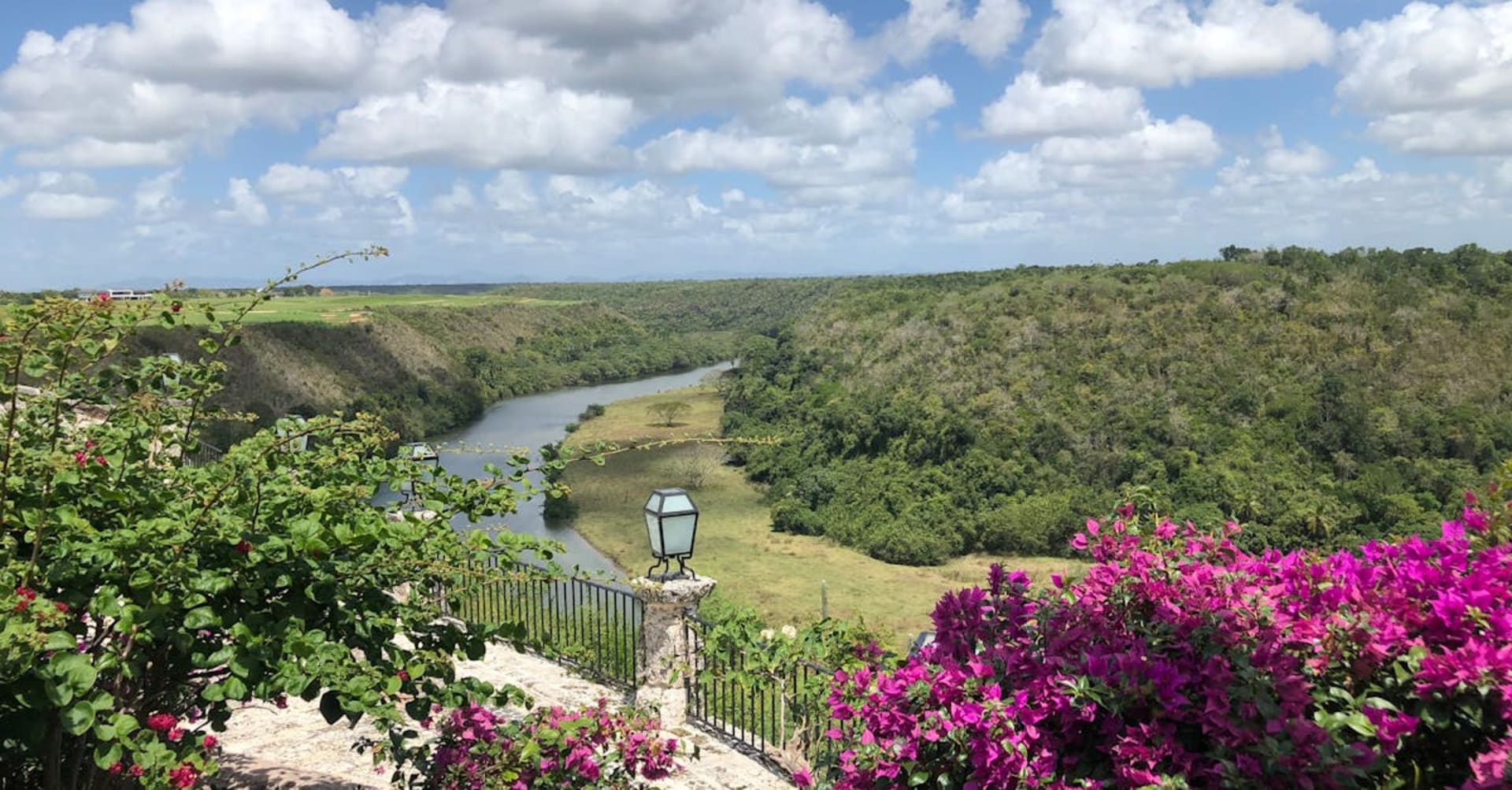
Las Terrenas
"Las Terrenas solved the question of what to do by quietly doing nothing at all."
A laid-back beach village on the Samana Peninsula where French bakers and kite surfers share the same stretch of sand.
I arrived on the Samaná Peninsula the way most people do — through a switchback mountain road that offers no warning before suddenly dropping you into a village that looks as though a French coastal town and a Dominican fishing community decided, amicably, to share the same address. Las Terrenas is the result of that negotiation, and it works better than it has any right to.
The Boulangerie and the Kite Surfers
It was Lia who noticed it first. We were walking down Calle Francisco del Rosario Sánchez, looking for coffee at seven in the morning, when she said: that smells like Paris. She was right. The Baguette Bakery — run by a French expat who apparently arrived sometime in the nineties and never quite got around to leaving — was already pulling loaves from the oven. We stood on the sidewalk eating croissants that flaked properly, watching kite surfers on Playa Las Terrenas drag their rigs toward the waterline. The wind comes in clean and consistent from the northeast most mornings, which is why the kiters are here. The boulangerie is here because someone fell in love with the light, and that is a different kind of reason, though it amounts to the same settled life.
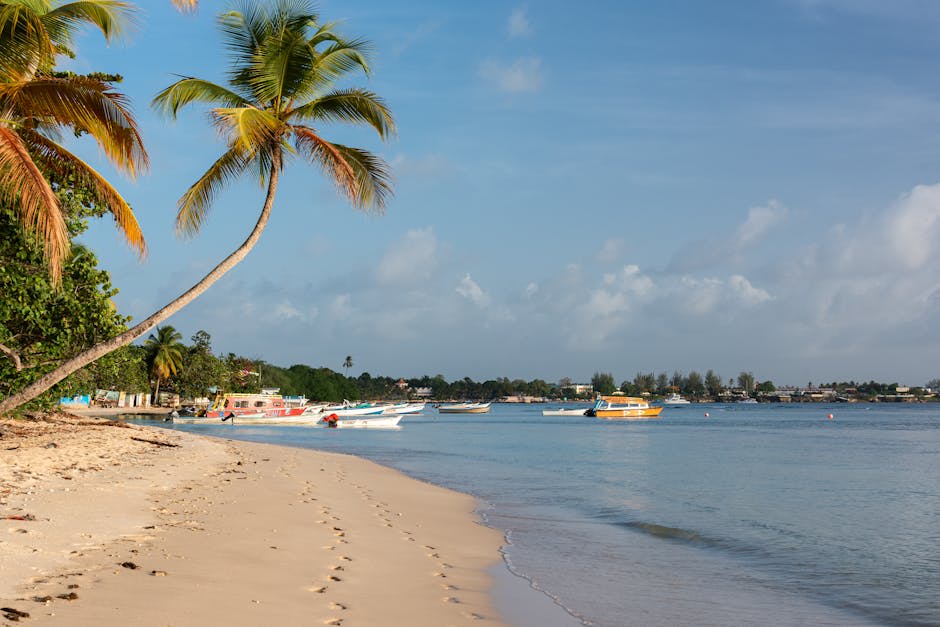
The beach itself is long and undivided — no resort fences, no roped-off hotel sections. I walked it from the far end of the Pueblo de los Pescadores strip toward Playa Bonita without anyone asking where I was going or trying to sell me anything. The sand is coarse and pale, and the palms lean at the particular angle of palms that have been pushed on by Atlantic trades for decades.
Quiet After Nine
What surprised me most about Las Terrenas was not the croissants sitting next to chicharrón at the colmado counter, or the handwritten menus switching mid-sentence between French and Spanish. It was how genuinely quiet the village becomes by nine in the evening. The generator hum dies down, the bachata from the corner colmado softens, and the whole place seems to exhale. I had expected something livelier. What I found was a community of people who actually live here — not performing paradise for visitors, but inhabiting it at their own speed.
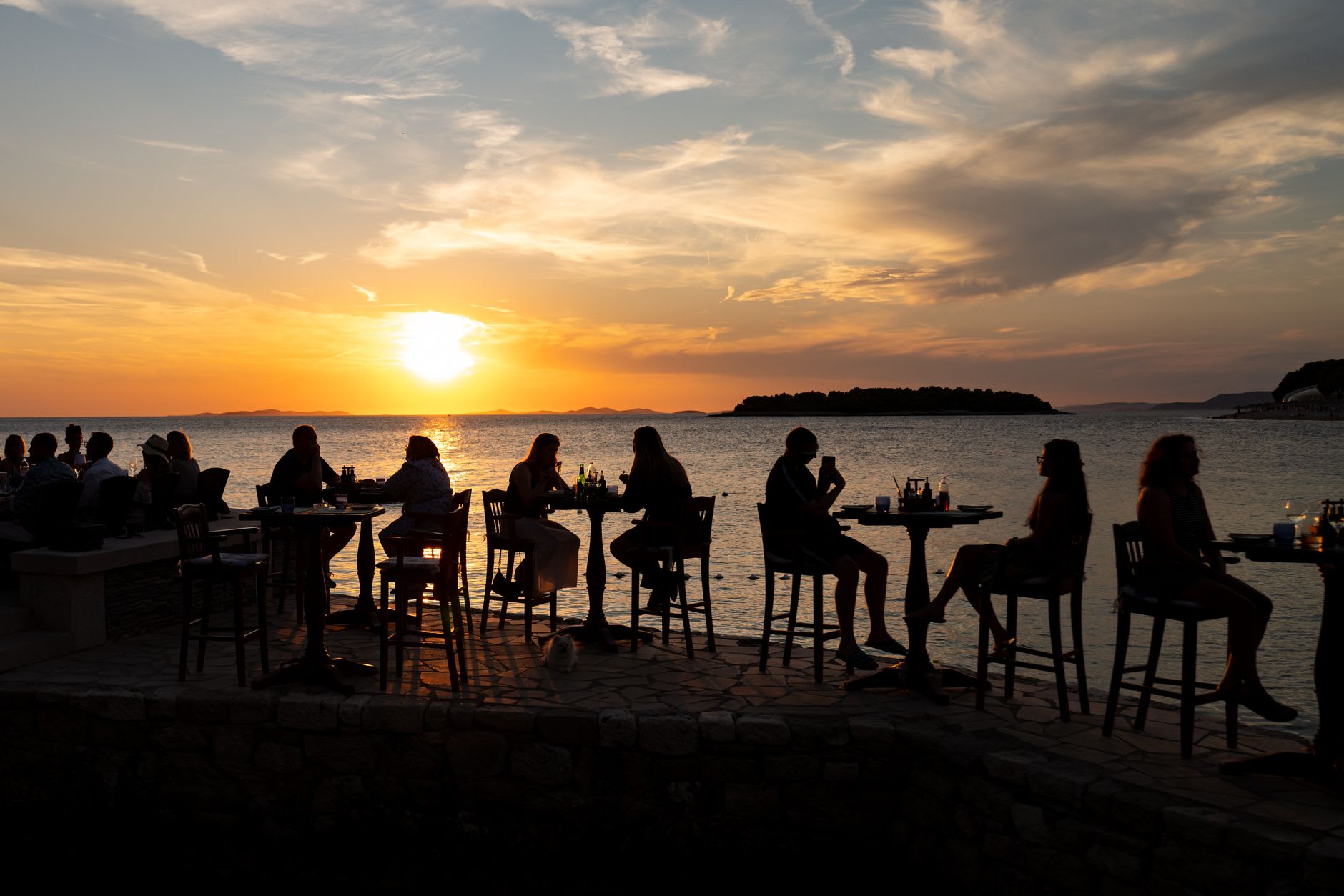
We ate most evenings at the outdoor tables along the Pueblo de los Pescadores strip: fresh mahi-mahi with tostones and a lime wedge that arrived without asking, the kind of meal that costs twelve dollars and tastes like it should cost considerably more. The smell of charcoal grill and salt air and, occasionally, the drift of frangipara from somebody’s garden — that particular combination I haven’t found anywhere else in the Caribbean.
Getting the Rhythm Right
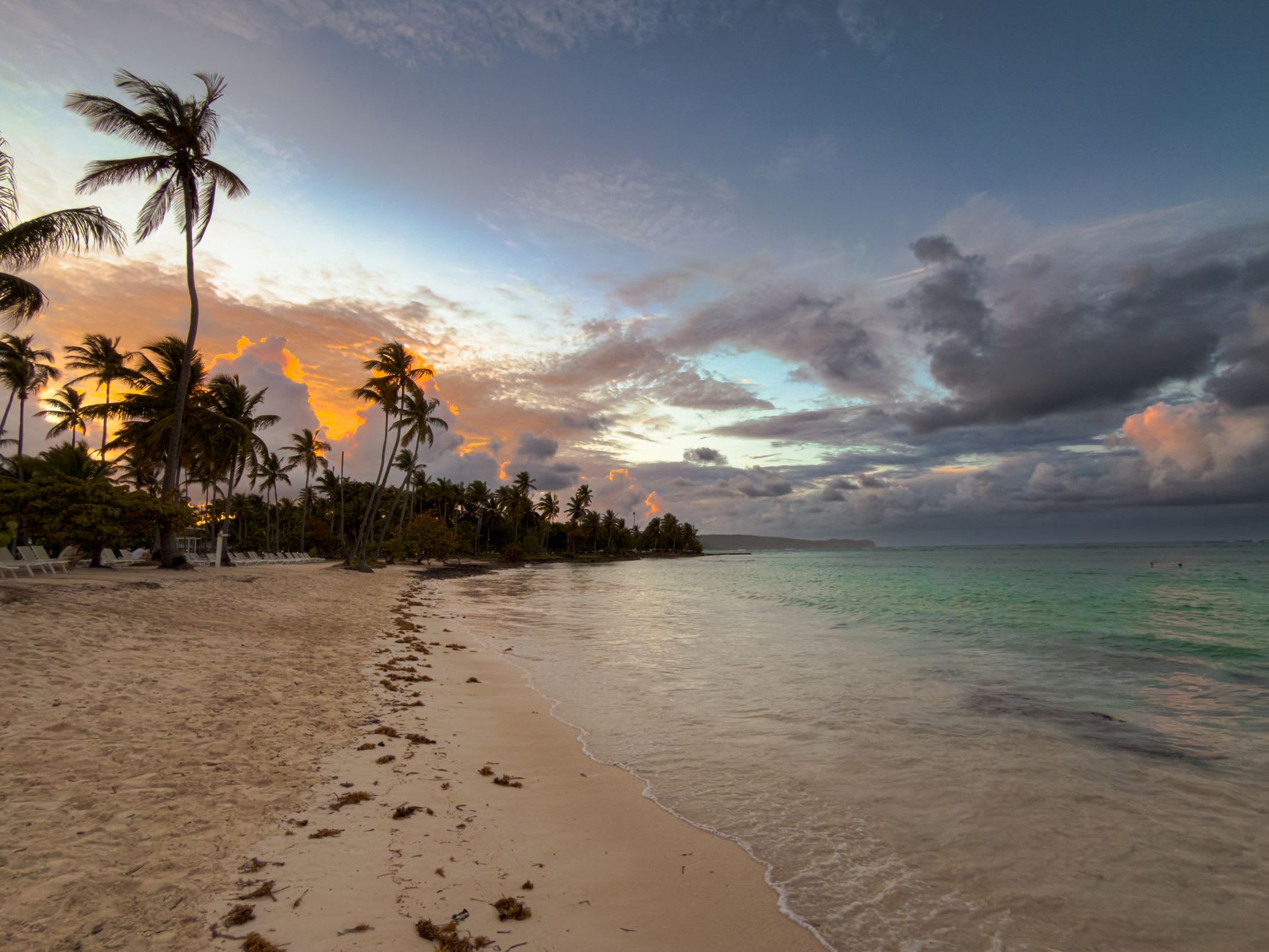
Las Terrenas rewards patience in a way that took me a day to understand. The first afternoon felt slow in a way that made me restless — I kept looking for things to do, places to be. By the third morning, the rhythm had reorganized my expectations, and I stopped wanting anything to be different. The bread was good. The water was warm. The light on the Samaná hills behind the village went gold by four o’clock. That was enough, and then some.
When to go: January through March offers the driest weather and the most reliable kite winds, and humpback whale season in the nearby Bay of Samaná runs through the same months — worth scheduling a boat trip. May and June bring occasional afternoon showers but far fewer visitors and the same essential character, just quieter, which in Las Terrenas is saying something.