Constanza
"Strawberries growing in the Caribbean felt wrong until we tasted them, and then everything made sense."
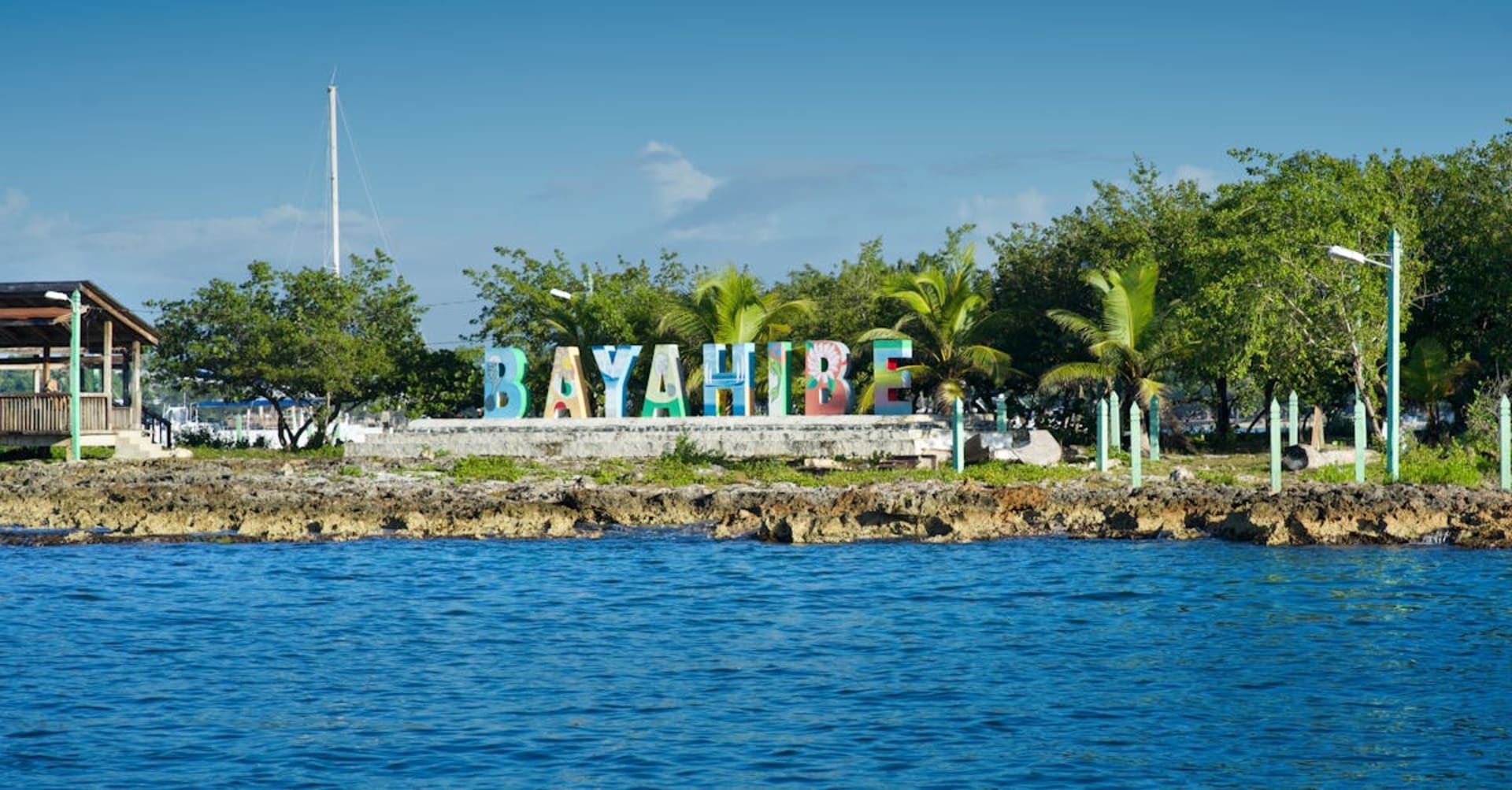
The highest town in the Caribbean, set in a mountain valley where strawberries grow and the air is impossibly fresh.

Constanza is the most unexpected place in the Dominican Republic — a mountain valley at 1,200 metres where the temperature drops to near freezing at night and the agriculture looks more like the Scottish Highlands than the Caribbean. Strawberry fields, garlic farms, and flower greenhouses fill the valley floor while pine-forested mountains rise on every side. We arrived and immediately understood why Dominicans call it the Switzerland of the Caribbean. After weeks on the coast, the cool air felt like a gift — the kind of temperature that makes you want to walk for hours and sleep under blankets.
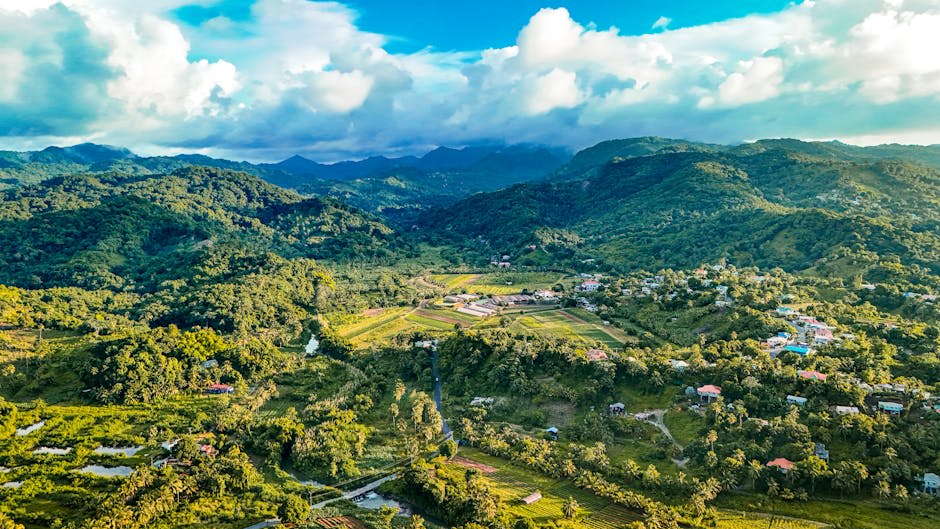
The Japanese influence in Constanza is a story few visitors expect. After World War II, Japanese farming families settled in the valley and introduced agricultural techniques that transformed the region. Their descendants still farm here, and the blend of Japanese precision and Dominican warmth produces a community unlike any other in the Caribbean. We visited a flower farm run by a Dominican-Japanese family and bought roses at prices that would make a Parisian florist weep.
We drove to the Valle Nuevo National Park, climbing through cloud forest to a plateau above 2,200 metres where frost forms on the grass and the páramo landscape looks like it belongs in the Andes. The pyramid at the geographic centre of the Caribbean sits up here, incongruous and fascinating. The drive through the park is one of the most beautiful in the country — the road winds through pine forest, past mountain streams, and into cloud that sits in the valleys like cotton. We stopped at every viewpoint and the scenery never repeated itself.

The Aguas Blancas waterfall drops eighty metres in a jungle setting reached by a trail that was slippery, beautiful, and completely deserted. The mist from the falls created a microclimate around the pool — cool, damp, full of ferns and moss and the sound of falling water echoing off the rock walls. Back in town, we ate fresh trout and strawberries and slept under blankets for the first time in the Caribbean. The contrast with the coast — just three hours away — felt like travelling to another country entirely.

When to go: Year-round, though December through March is driest. Nights are always cool — bring warm layers. The road from the coast is winding and can be affected by rain. Weekdays are quietest. The valley is most beautiful after rains when the green is at its most vivid.
Keep exploring
More from Dominican Republic
 dominican-republic
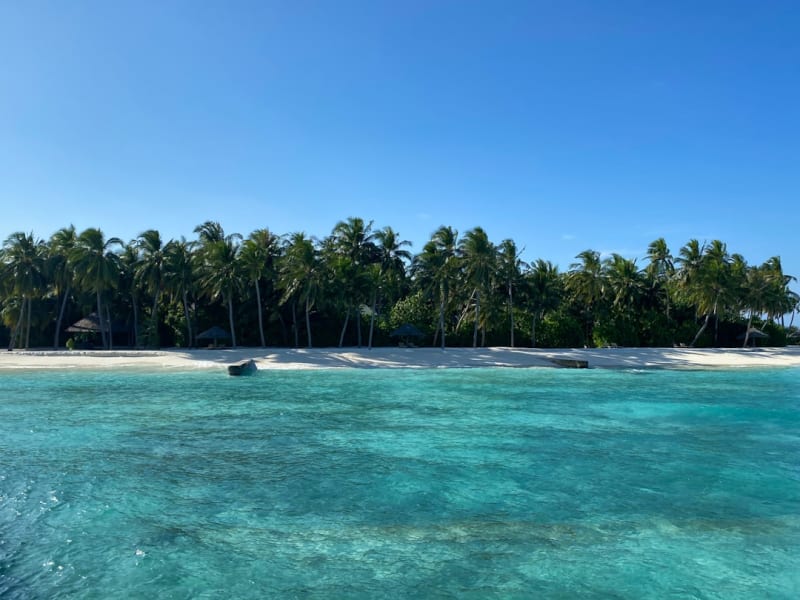
 Isla Saona
A protected island off the southeast coast fringed with palm-lined sandbars, reached by a bumpy speedboat run through mangrove channels and open sea.
Explore dominican-republic
 Jarabacoa
The Dominican Alps — a cool mountain town of rivers, waterfalls, and pine forests that feels like a different country.
Explore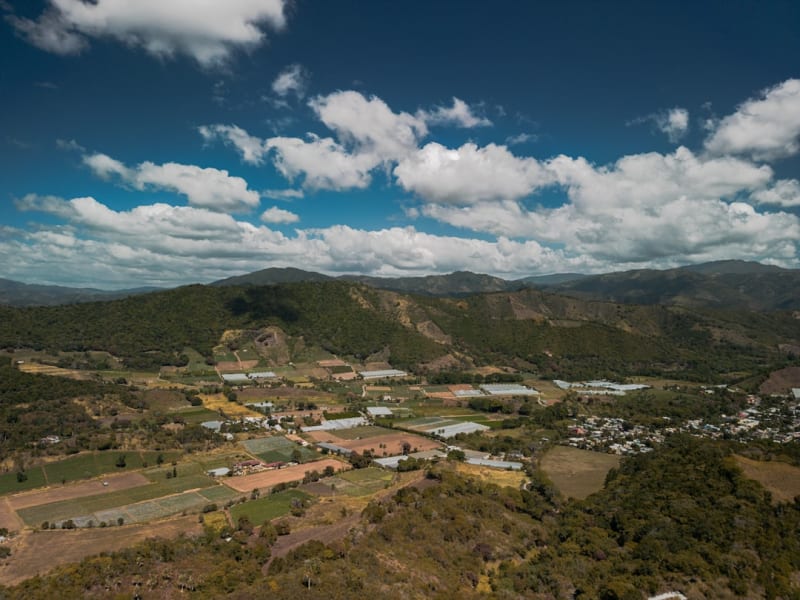 dominican-republic
 La Romana
A sugar-industry city turned upscale resort gateway, where cane fields still ring the edges of Casa de Campo's golf courses and marinas.
Explore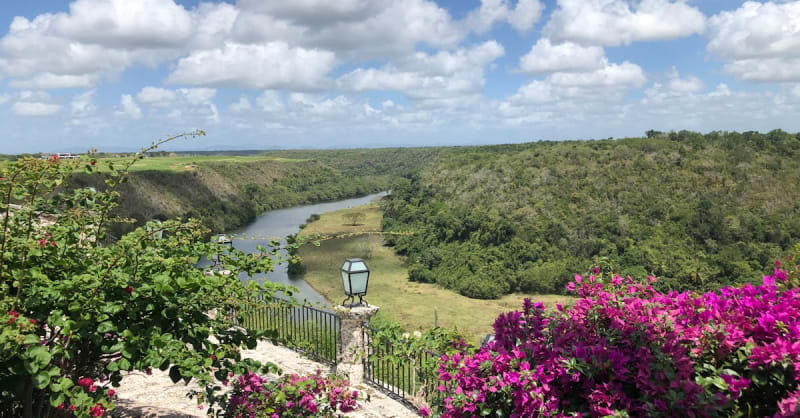 dominican-republic
 Las Terrenas
A laid-back beach village on the Samana Peninsula where French bakers and kite surfers share the same stretch of sand.
Explore dominican-republic
 Los Haitises
A mangrove-threaded national park of limestone mogotes, caves, and pre-Columbian petroglyphs rising from the bay.
Explore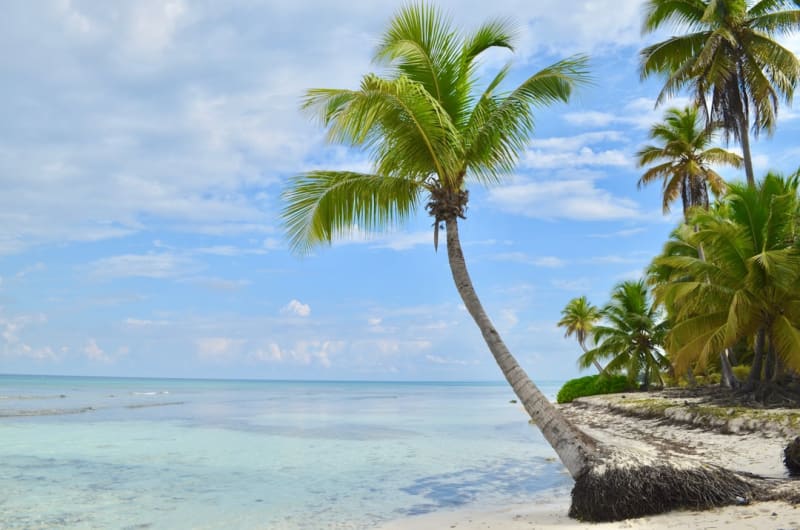 dominican-republic
 Monte Cristi
A dry, windswept western coastal town known for its flat-topped El Morro headland, salt flats, and an almost complete absence of tourists.
Explore