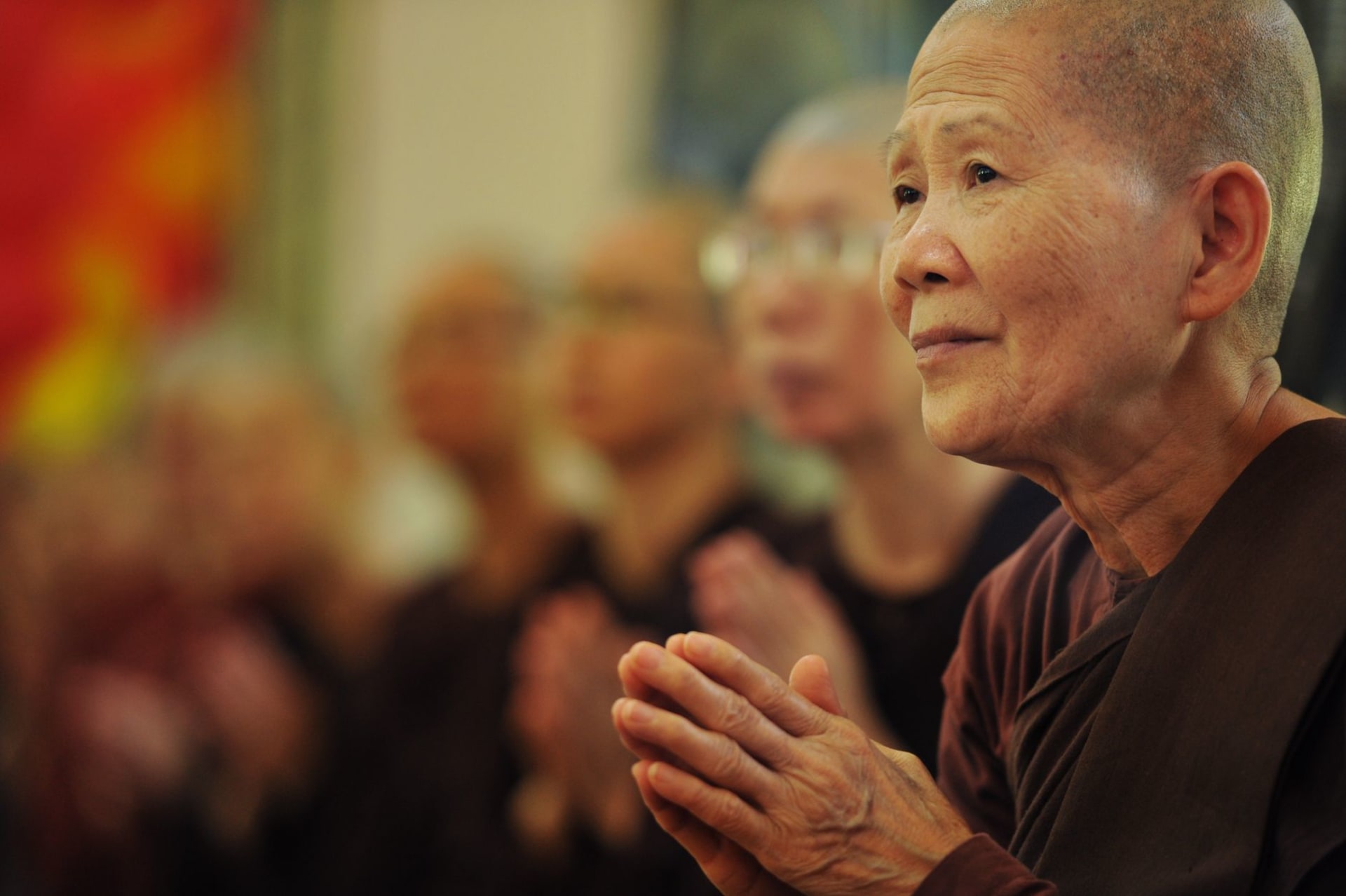
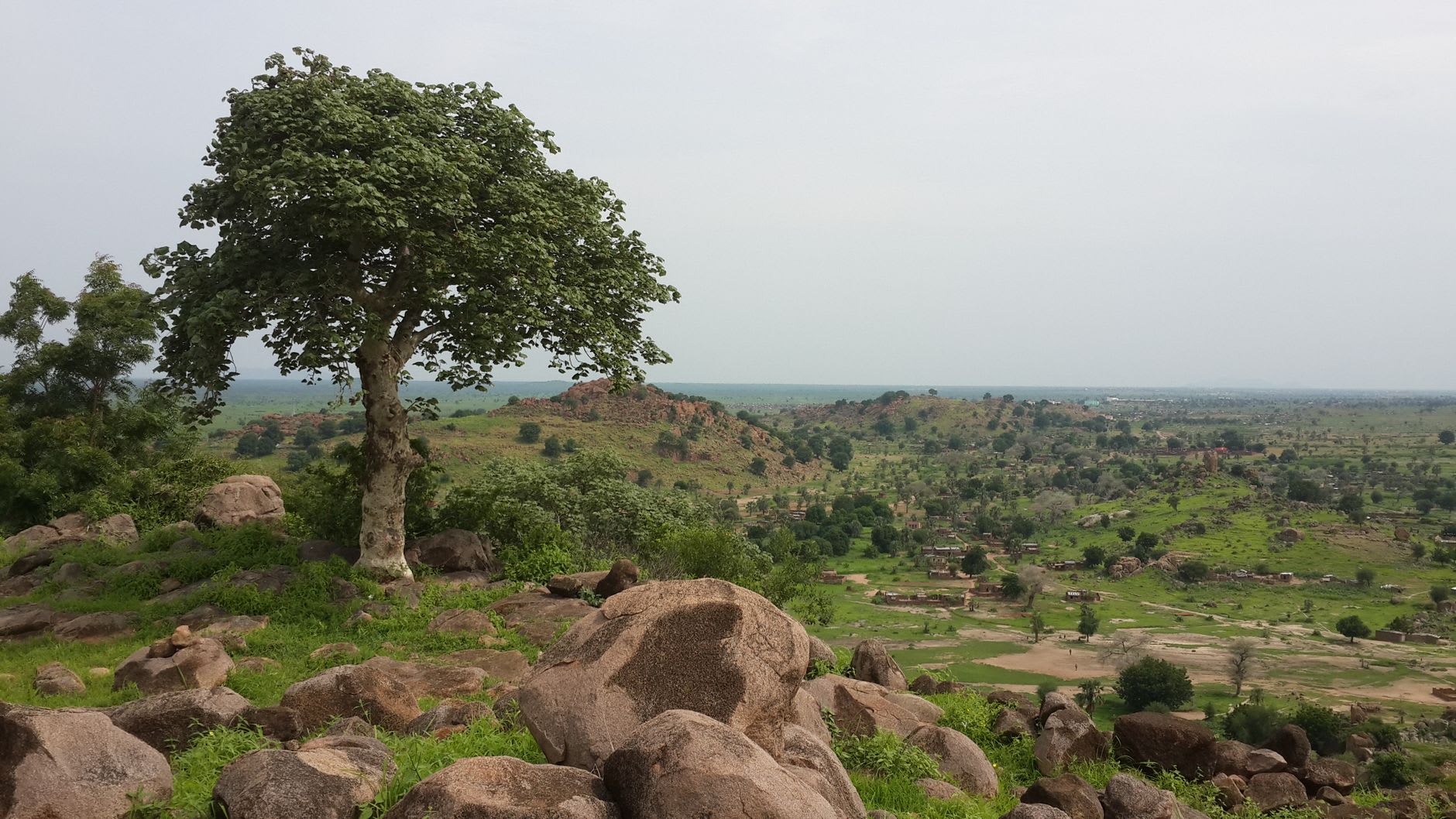
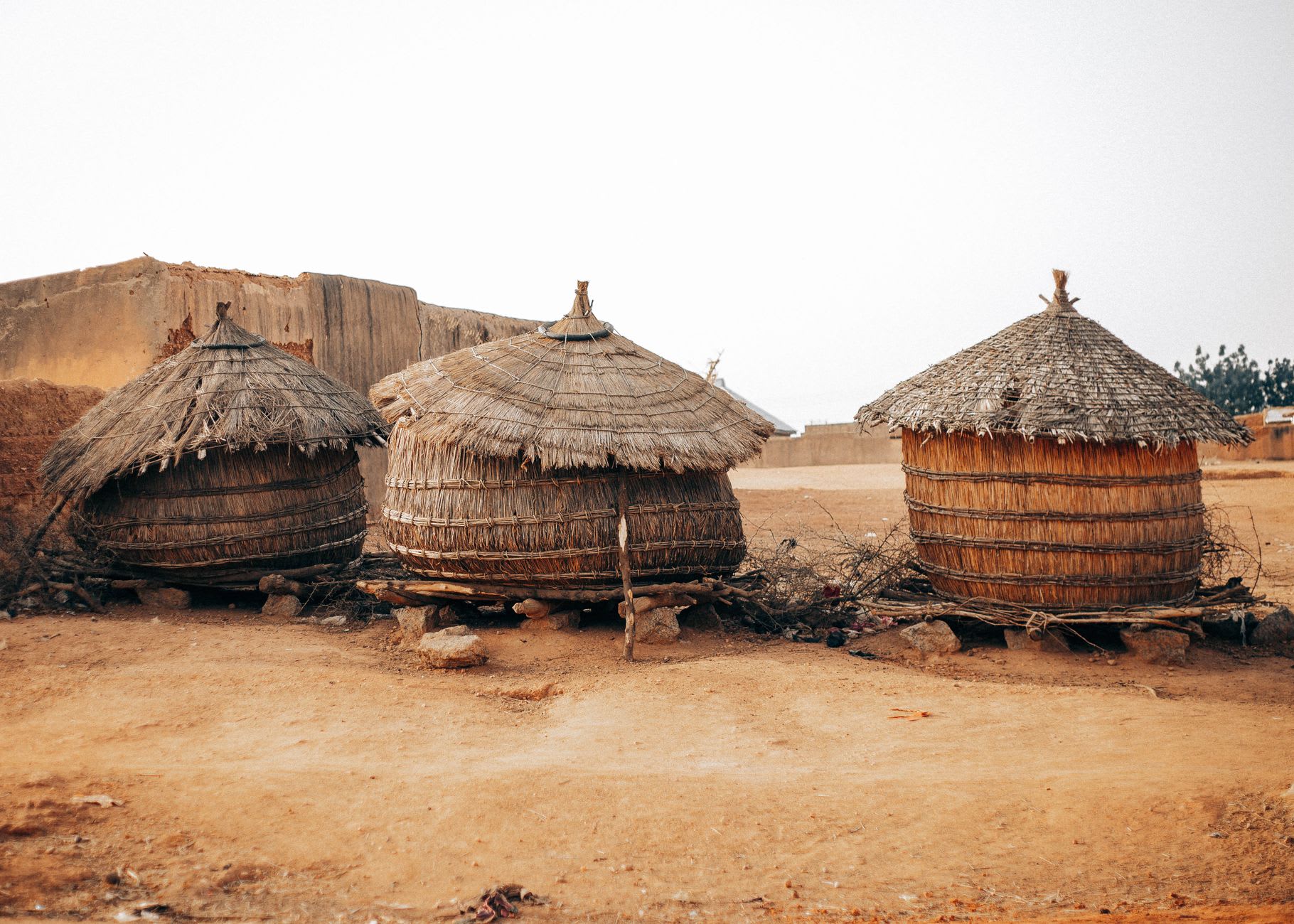
Sangha sits at the plateau’s edge like a sentence that doesn’t quite end — a loose federation of villages called Ogol-du-Haut and Ogol-du-Bas, Upper Sangha and Lower Sangha, divided by a rocky ravine and connected by everything that matters: kinship, ritual, the same granary builders, the same view. I came here during the dry season, not for a ceremony but for the Musée Ogobara, which was both better and more unsettling than I expected. The artifacts inside were labeled with scholarly French, but the women who walked past the windows carrying calabashes on their heads seemed entirely uninterested in the scholarship.
The village sits above the valley at an altitude that brings a different quality of light — not the flattening desert glare of the plain but something more lateral, catching the sides of mudbrick walls and making shadows out of textures you wouldn’t notice otherwise. I spent a morning on the plateau rim watching the plain below turn from purple to pale gold as the sun climbed. The distances out here are deceptive. Villages that look an hour away take three.
The toguna in the central square of Ogol-du-Haut is one of the finest I saw in Dogon Country — eight layers of millet stalks for a roof, pillars carved with female figures whose breasts represent fertility and whose number (eight per pillar, always eight) represents the eight Dogon ancestors. Sékou explained that decisions made under this roof were binding in a way ordinary speech was not. The low ceiling prevents anyone from standing, and you cannot make a serious threat while seated. It is, he said, an architectural form of conflict resolution. I thought about that for days afterward, about all the buildings we fill with chairs for shouting.
In the evenings, children gathered near the school wall to watch a television powered by a solar panel — a French nature documentary playing to absolute silence. Outside, a man was grinding millet by hand, the stone pestle rising and falling, rising and falling. Both scenes felt equally contemporary and equally ancient, which is precisely the Dogon paradox. The village is not frozen; it is simply moving at a different frequency.
The Dama ceremony — the masked dance that releases souls of the dead from the village to the afterlife — happens here in Sangha with a frequency that makes it accessible to outsiders willing to time their visit. I was not lucky enough to witness it, but I saw the masks in storage, wrapped in cloth and smelling of millet beer, and understood why some things have to be kept in the dark to retain their power.
When to go: November to February for the dry season and manageable temperatures. The Dama ceremony occurs irregularly and is worth significant advance planning — contact the Sangha guesthouses directly for current information. Avoid the tourist crush of the three-day trek season by coming mid-week and staying at least two nights.