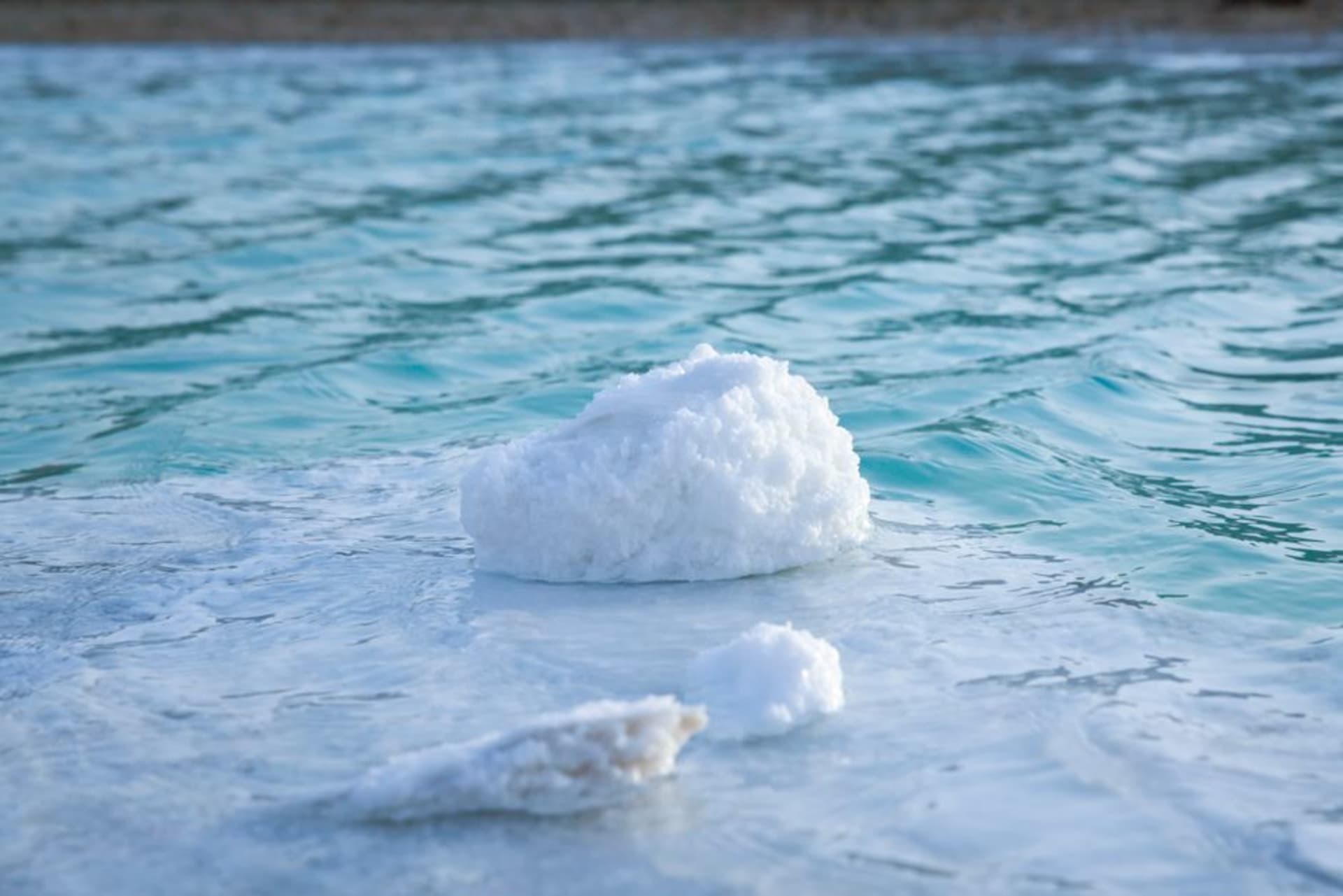
Lisan Peninsula
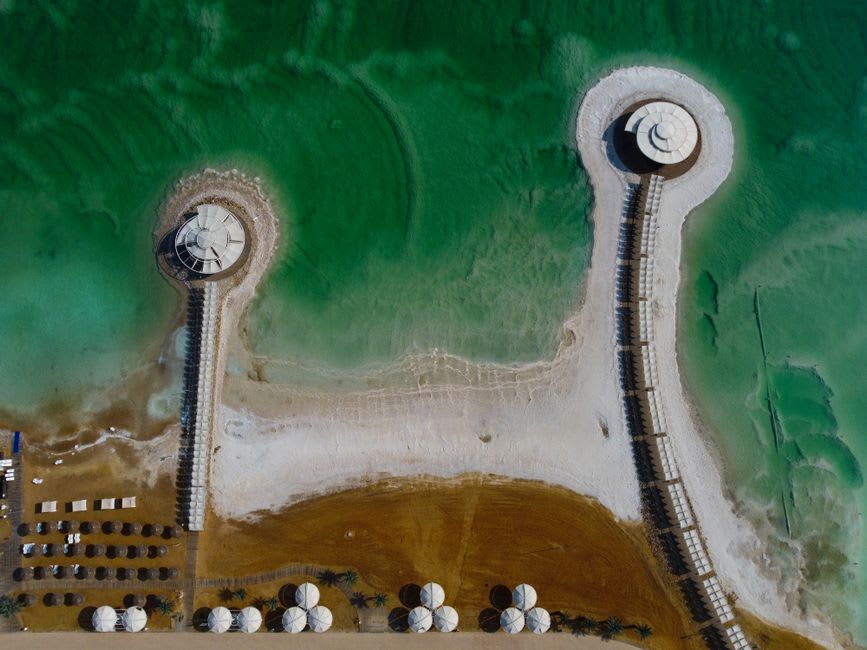
"Lisan means tongue in Arabic, and from above you understand immediately why."
A tongue of salt-crusted land reaching halfway across the Dead Sea, so remote and strange that almost no traveler ever sets foot on it.
I found out about the Lisan Peninsula from a Jordanian geologist I met at a hotel bar in Amman, who described it the way people describe a place they clearly love but have given up trying to get others excited about. It’s the low, wide peninsula that juts out from the eastern shore and nearly cuts the Dead Sea in two — the reason the sea has a distinct northern and southern basin at all. Getting there requires a rough track off the highway near Safi, permission that isn’t always straightforward, and a vehicle that can handle salt flats that look solid and occasionally aren’t. I went with a local driver who knew exactly which routes had held up that week, because they change with the water level and the season.
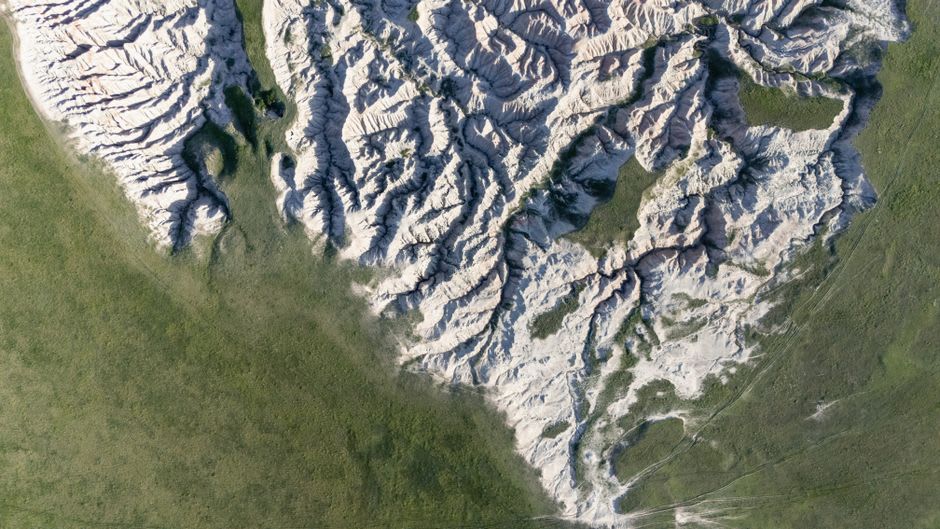
What you find out there is a landscape almost entirely without reference points — pale marl hills carved by intermittent flash floods into badlands of ridges and gullies, and beyond them the salt flats themselves, cracked into a honeycomb pattern that goes on further than seems reasonable. The peninsula is also a genuinely important paleontological site; fossilized shorelines here record the ancient Lake Lisan, a vastly larger predecessor to the Dead Sea from the last Ice Age, its old beach terraces visible in bands along the hillsides like tree rings marking a different climate entirely. I stood on one of those terraces, easily a hundred meters above the current shoreline, and tried to picture the lake that had put it there. It required real effort.
There’s no infrastructure out here, no sign, no gift shop, nothing. Just wind, salt, and the particular silence of a place that has never really been settled. I’ve been to plenty of remote corners of this region, but the Lisan Peninsula is the one that has stayed with me longest precisely because there was nothing shaping the experience for me. It was just the land, doing what it’s done for tens of thousands of years, with nobody watching most of the time.
When to go: Cooler months (November to March) only — the exposed salt flats offer zero shade and summer heat here is genuinely dangerous. Arrange a local guide with a 4x4 in Safi or Karak rather than attempting the tracks independently.