Zadar
"I sat on cold marble steps and listened to the sea play music no one had written."
A peninsula city where Roman stones meet the sea's own music, and sunsets once impressed Hitchcock himself.
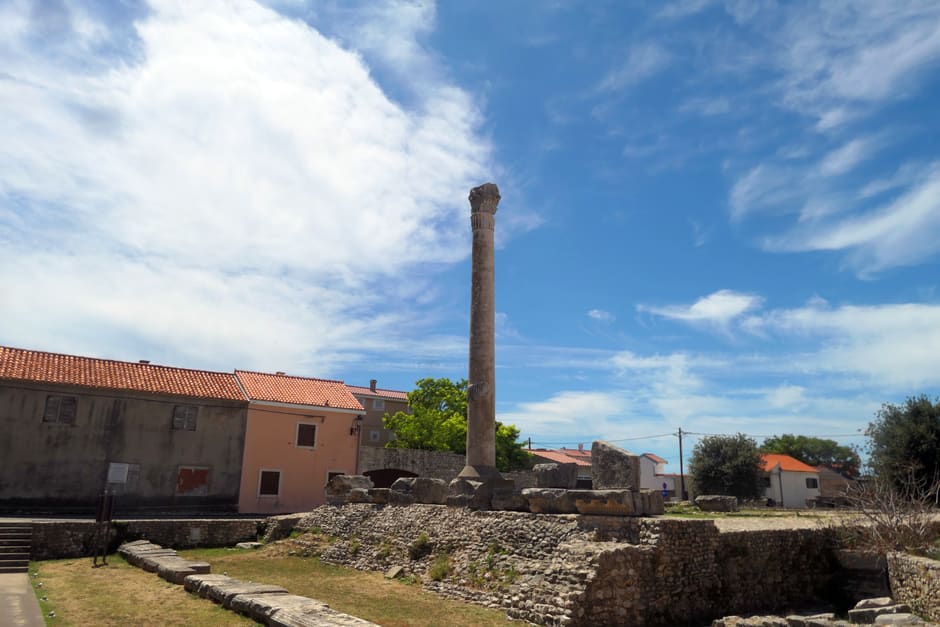
Lia and I got to Zadar by accident, really — a ferry connection gone wrong that stranded us there for an extra night. I’ve never been so grateful for a missed boat. We dropped our bags at a small guesthouse tucked behind the old town walls and walked straight into the Roman forum without meaning to, just following the smell of grilled fish and the sound of a language I couldn’t place. The forum dates back to the 1st century BC, and standing there at dusk, watching swallows cut across a sky going pink over stones that old, I felt the particular vertigo I get in places where so much time has simply piled up in one spot. St Donatus’s church anchors the whole square, this squat, circular, pre-Romanesque thing from the 9th century that looks almost stubborn next to the more delicate buildings around it — like it refuses to be pretty, only true.
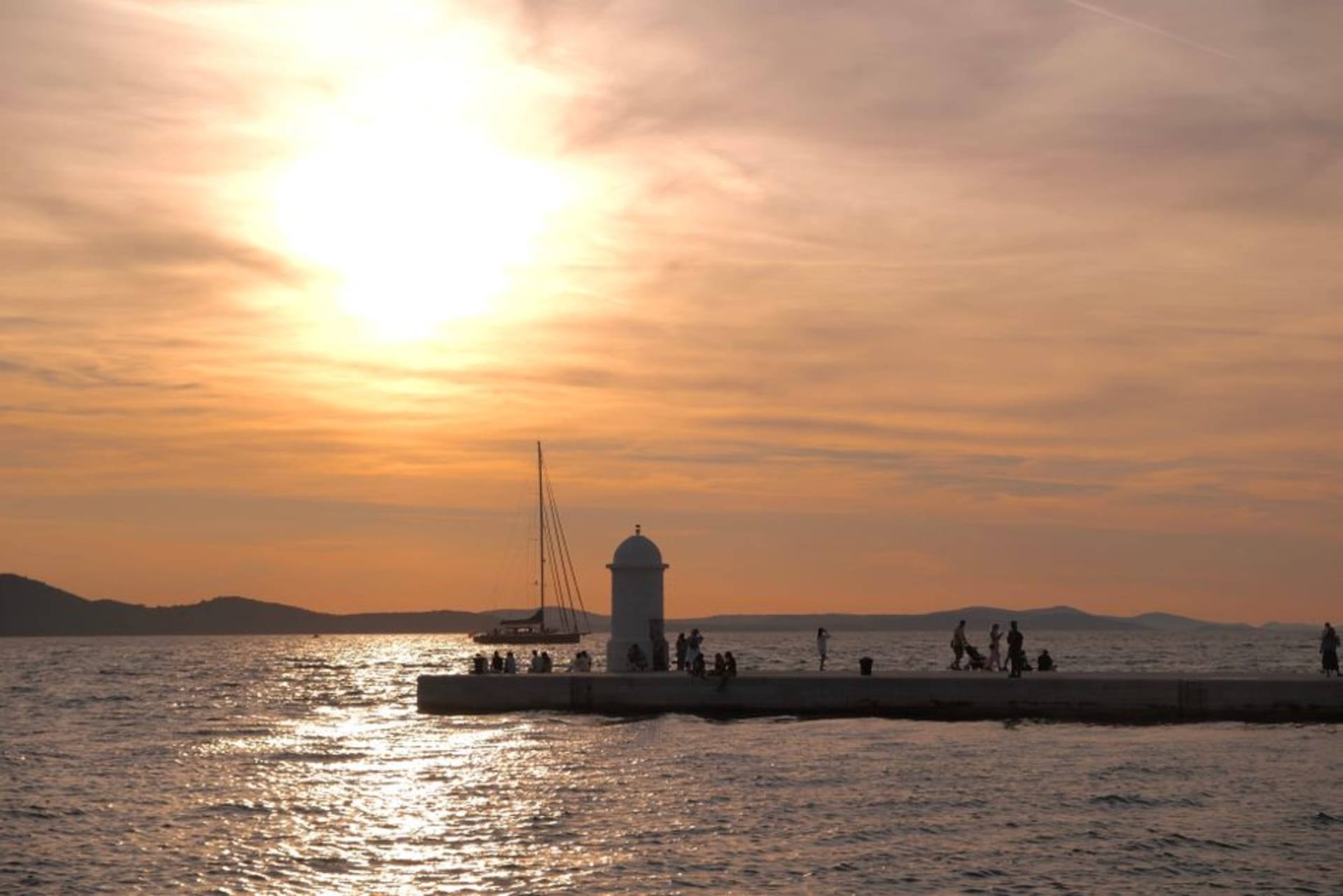
But it was the waterfront that undid me. Nikola Bašić built the Sea Organ into the steps along the harbor in 2005 — underwater pipes that turn the push and pull of waves into these low, breathing chords, never quite a melody, never quite random either. Lia and I sat there for almost an hour, not talking much, just letting the sea hum at us while the light changed. Alfred Hitchcock apparently called a Zadar sunset the most beautiful he’d ever seen, back in the sixties, and I used to think that kind of claim was just a line for a postcard. Then I watched the sun drop into the Adriatic from those exact steps and understood he probably meant it literally.
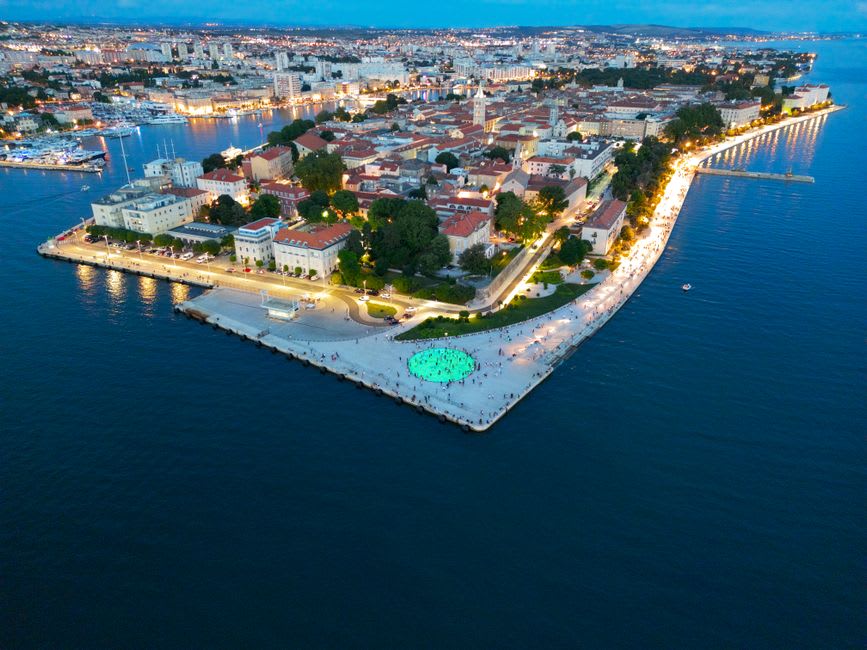
A few steps further along, the Sun Salutation kicked on right as the sky went properly dark — Bašić’s other piece, a circle of solar panels set into the pavement that stores the day’s light and releases it after sunset in slow, shifting colors underfoot. Kids were running across it in loops, chasing the patterns, and for a minute I forgot we were tourists killing time until the next ferry. We ended the night with grilled squid and a carafe of house wine at a place two streets back from the crowds, and I remember thinking Zadar didn’t ask to be impressive — it just was, quietly, the whole time.
When to go: We got lucky landing there in early June — the Sea Organ’s chords carried clean over a waterfront that wasn’t yet packed shoulder to shoulder, and the light held that soft, unhurried quality late spring brings. May-June or September strike me as the honest windows: warm enough to linger on those steps at sunset, quiet enough to actually hear what the sea is saying.