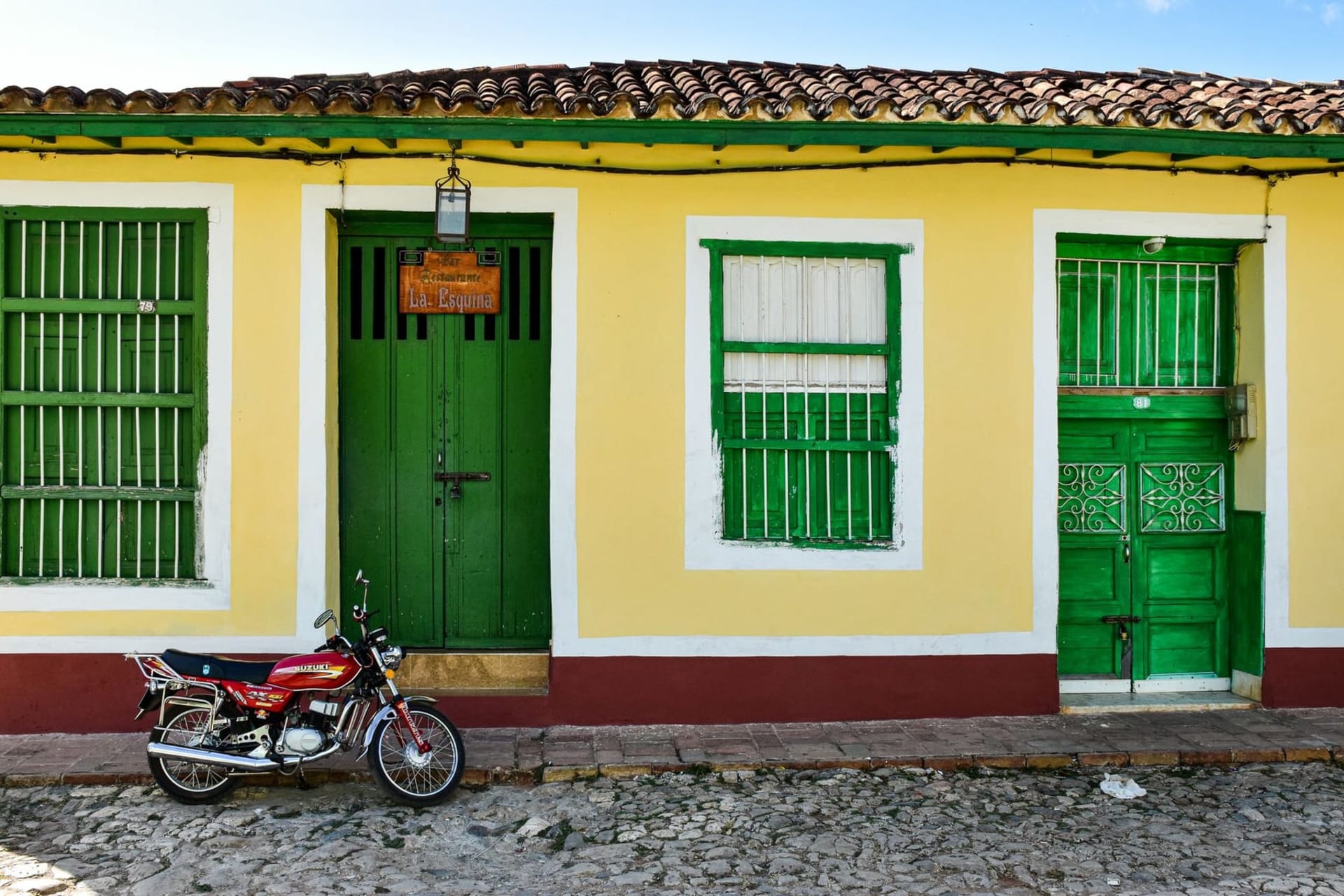
A UNESCO time capsule where the cobblestones are original and the 18th-century sugar wealth is still visible.
We arrived at dusk, when the cobblestones of Calle Simón Bolívar catch the last light and turn the color of old honey. The stones are original — not restored, not replicated, just original — and the horses that pull carts down them navigate the same uneven surface they always have. Lia stopped in the middle of the street and said she felt like someone had switched off the century. I knew exactly what she meant.
The Sugar Baron Stillness
Trinidad’s wealth came from sugar and slaves in the 18th and 19th centuries, and when sugar collapsed, the city simply stopped. There was no money for demolition, no economic pressure to modernize, so the Spanish colonial mansions stayed. The Plaza Mayor is flanked by the ornate Iglesia Parroquial de la Santísima Trinidad on one side and the Palacio Brunet — now a museum — on the other, its interior still holding original tile floors and cedar ceilings as cool as a cave. You can smell the damp stone and old wood the moment you step inside.
At the top of the tower of the Convento de San Francisco de Asís, I counted six shades of colonial paint peeling on a single building below me: a coral that had faded to salmon, a blue gone grey, a green turning into something no color chart could name.
What No One Tells You About the Nights
The unexpected thing about Trinidad is what happens after dinner. The steps of the Casa de la Música on the Plaza Mayor become an open-air concert every evening — someone sets up speakers, a band starts playing son cubano or salsa, and people of every age dance on the stone staircase with the church lit up behind them. I had read about this before coming and still was not prepared for how completely unselfconscious it felt. A man in his seventies danced with his grandchild. A couple argued, then danced. The night air smelled of something frying in oil from a nearby paladar and of the frangipani trees lining the square.
I ate ropa vieja at a paladar on Calle Frank País that had four tables, a handwritten menu, and the best plantains I have had anywhere. There is a directness to the food here — it tastes like what it is.
Into the Valley
The surrounding Valle de los Ingenios — Valley of the Sugar Mills — stretches out below Trinidad in an almost theatrical way: green hills, tobacco fields, the ruins of haciendas, and the Manaca Iznaga Tower rising improbably from the middle of sugarcane. Standing at its base, I could hear the silence that only very old places produce.
When to go: November through April, when the heat is manageable and the rains have stopped. March is particularly good — the light is extraordinary and the town has not yet filled with summer visitors.