Europe
Croatia
"Croatia is the Mediterranean distilled — all the beauty, half the pretension."
Croatia’s Adriatic coast reads like a catalogue of improbable beauty. The water is that particular shade of transparent blue-green that makes you suspect someone has adjusted the saturation. Medieval towns — Dubrovnik, Trogir, Korčula — sit behind stone walls as though history simply forgot to tear them down. But Dubrovnik, for all its staggering beauty, has become a cautionary tale in overtourism, its marble streets so packed in summer that the magic gets trampled underfoot. The Croatia worth seeking lies in the spaces between the famous postcard shots.
Istria, in the north, is Croatia’s quiet answer to Tuscany — hilltop villages, truffle forests, olive oil that rivals anything in Italy, and wines that the rest of the world has not yet discovered. The islands deserve more than a day trip: Hvar beyond its party-town marina, Vis with its military-bunker-turned-wine-bar past, Lastovo where the night sky is so dark the Milky Way casts shadows. Inland Croatia surprises those who bother to look — Plitvice’s cascading turquoise lakes, the baroque formality of Varaždin, Zagreb’s café culture and farmers’ markets operating with a confidence that belies the capital’s modest size. The Dalmatian coast between Split and Dubrovnik, taken slowly by car with detours to Ston’s oyster beds and the Pelješac wine roads, is one of the great Mediterranean drives.
When to go: May to mid-June or September to mid-October. Summer on the coast is gorgeous but increasingly unmanageable — cruise ships disgorge thousands into Dubrovnik and Split daily. Late September offers warm swimming, empty restaurants, and golden light without the crowds or the prices.
What most guides get wrong: They stick to the coastal highway and the obvious stops. Croatia’s islands require ferries and patience, and they repay both generously. Istria deserves several days, not an afternoon detour. And Dubrovnik, if you must go in summer, is best experienced at dawn before the cruise passengers arrive — the city at 6am is a different place entirely.
Explore
Places in Croatia

Brac
A Dalmatian island of white stone, pine-scented trails, and a beach so perfectly shaped it looks designed by an architect.
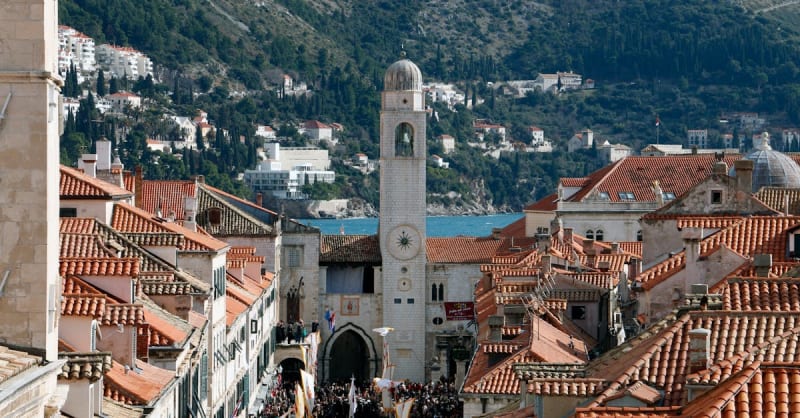
Dubrovnik
A walled city of limestone and light rising from the Adriatic, where every alley feels like a scene from a Renaissance painting.
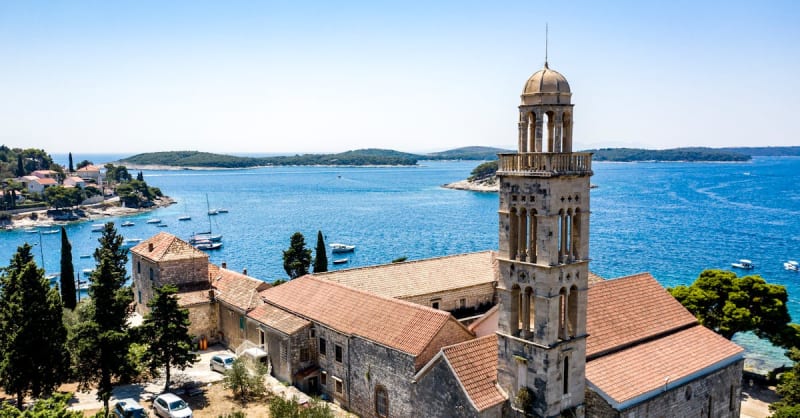
Hvar
A sun-drenched Dalmatian island of lavender fields, Venetian squares, and a coastline that invented the concept of the Mediterranean summer.
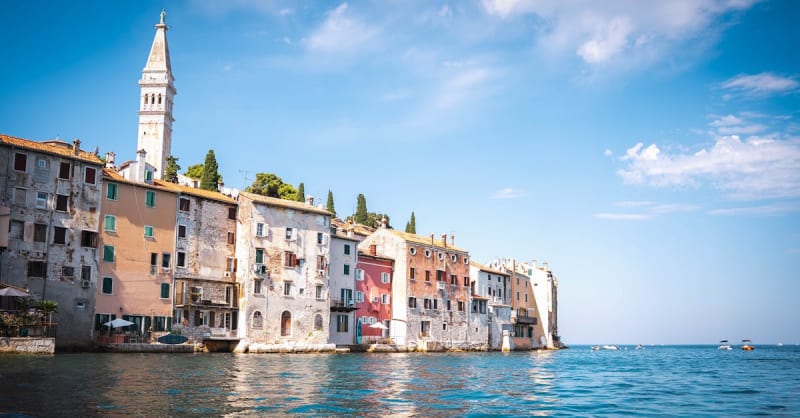
Istria
Croatia's Tuscan peninsula, where hilltop villages overlook truffle forests, vineyards produce world-class wine, and the olive oil rivals Italy's best.

Korcula
A fortified island town claiming Marco Polo as a native son, surrounded by dark pine forests and some of Dalmatia's finest vineyards.
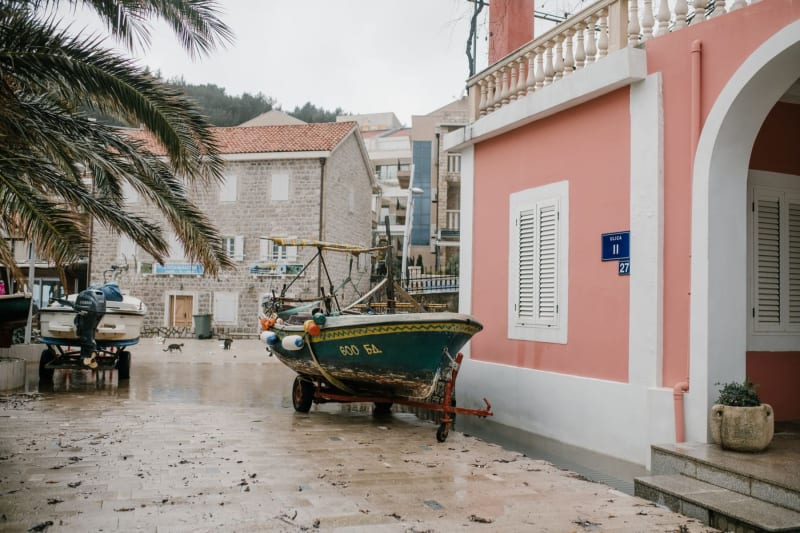
Kotor
A medieval walled city at the head of Europe's southernmost fjord — though Kotor actually belongs to Montenegro, its Bay is a shared Adriatic masterpiece.
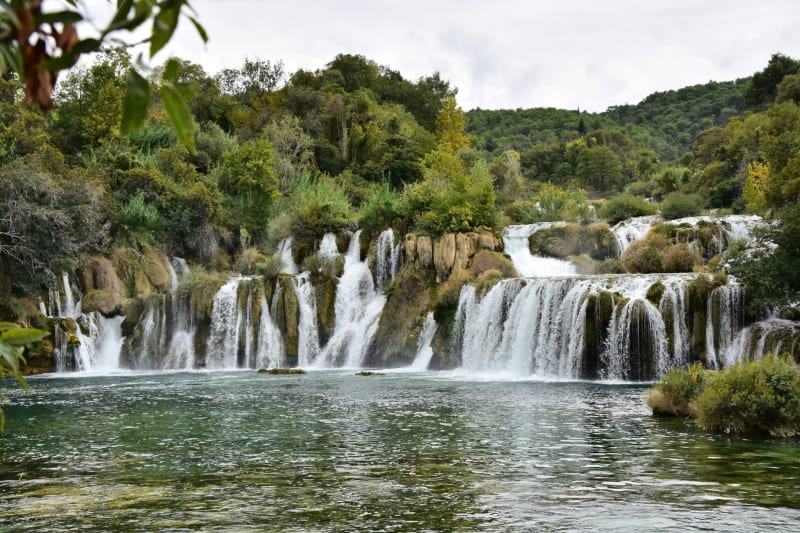
Krka National Park
A river that builds its own waterfalls out of limestone, tumbling down terraced barriers of travertine in the Dalmatian hinterland.
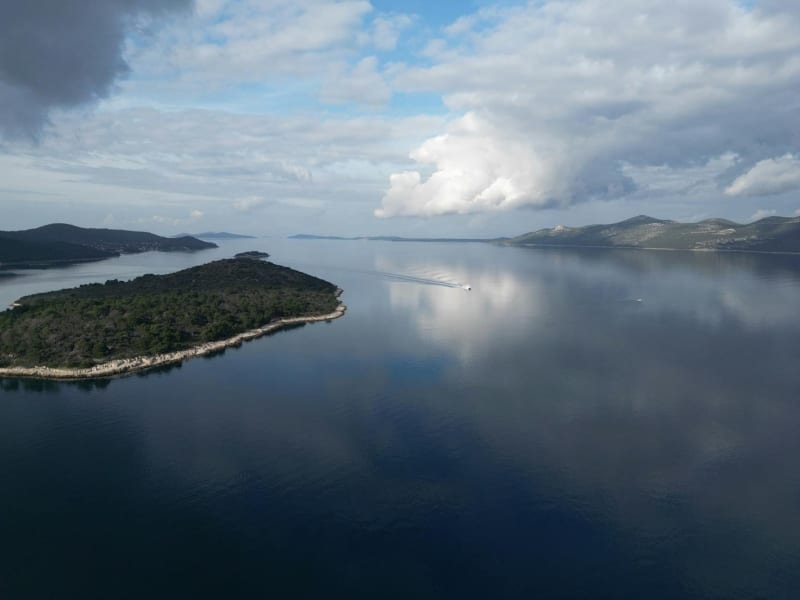
Lastovo Island
Croatia's most remote island accessible only by ferry or catamaran, with a medieval village facing away from the sea.
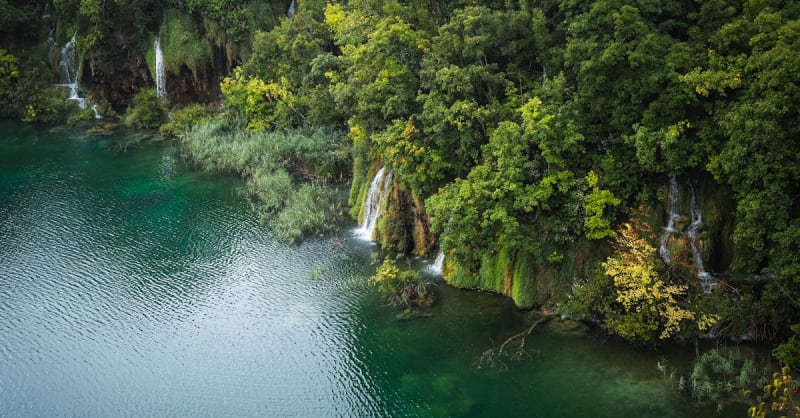
Plitvice Lakes
Sixteen terraced lakes connected by waterfalls, set in a primeval forest where the water is so clear it barely looks real.
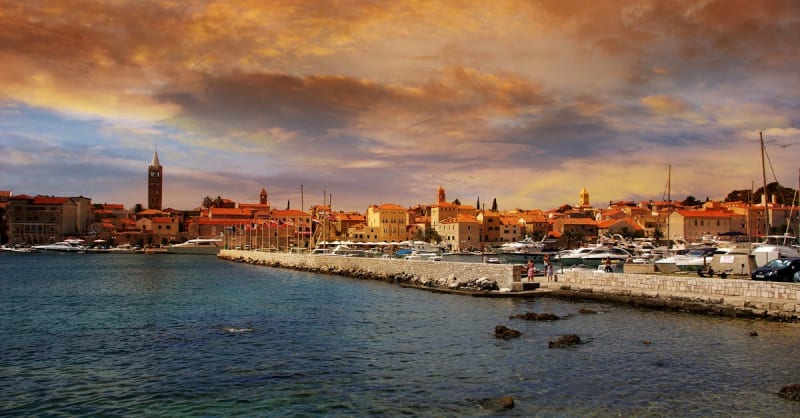
Rovinj
A pastel-painted fishing town on an Istrian peninsula, where artists' studios fill old stone houses and the sea is never more than a glance away.

Split
A living Roman palace where Diocletian's retirement home became an entire city, and locals still hang laundry in ancient chambers.
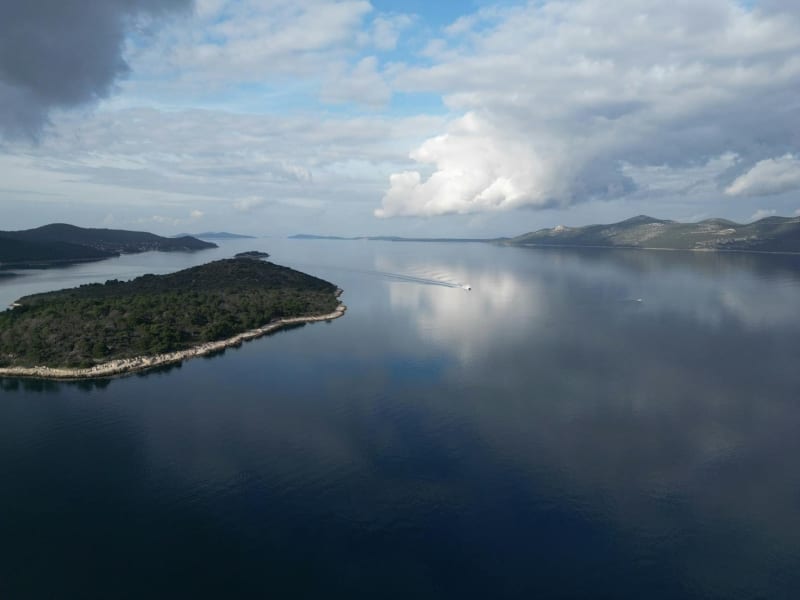
Vis Island
Croatia's most remote inhabited island, closed to foreigners until 1989 as a Yugoslav naval base, now home to the best wine in Dalmatia.
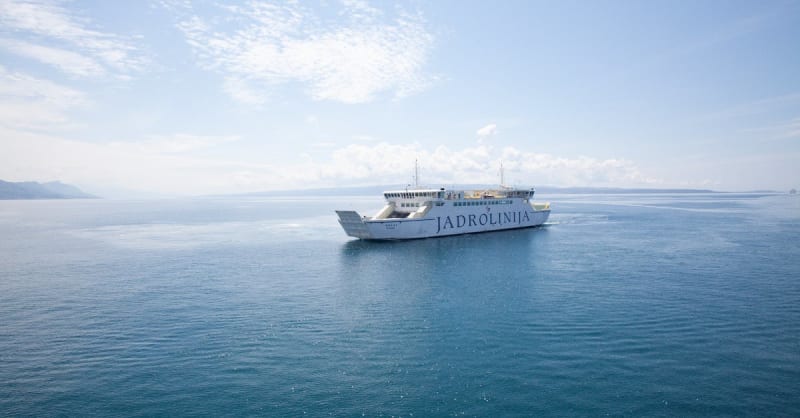
Zadar
An underrated Dalmatian gem where Roman ruins meet avant-garde art installations and the sunset is officially the world's best.
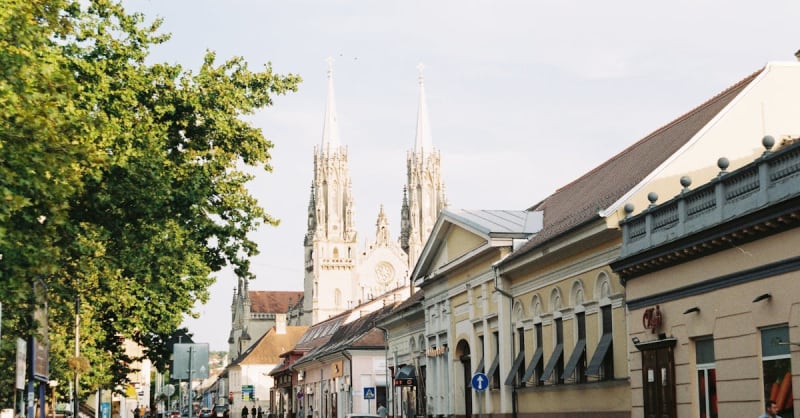
Zagreb
Croatia's underestimated capital, where Austro-Hungarian grandeur meets a thriving cafe culture and some of Europe's quirkiest museums.