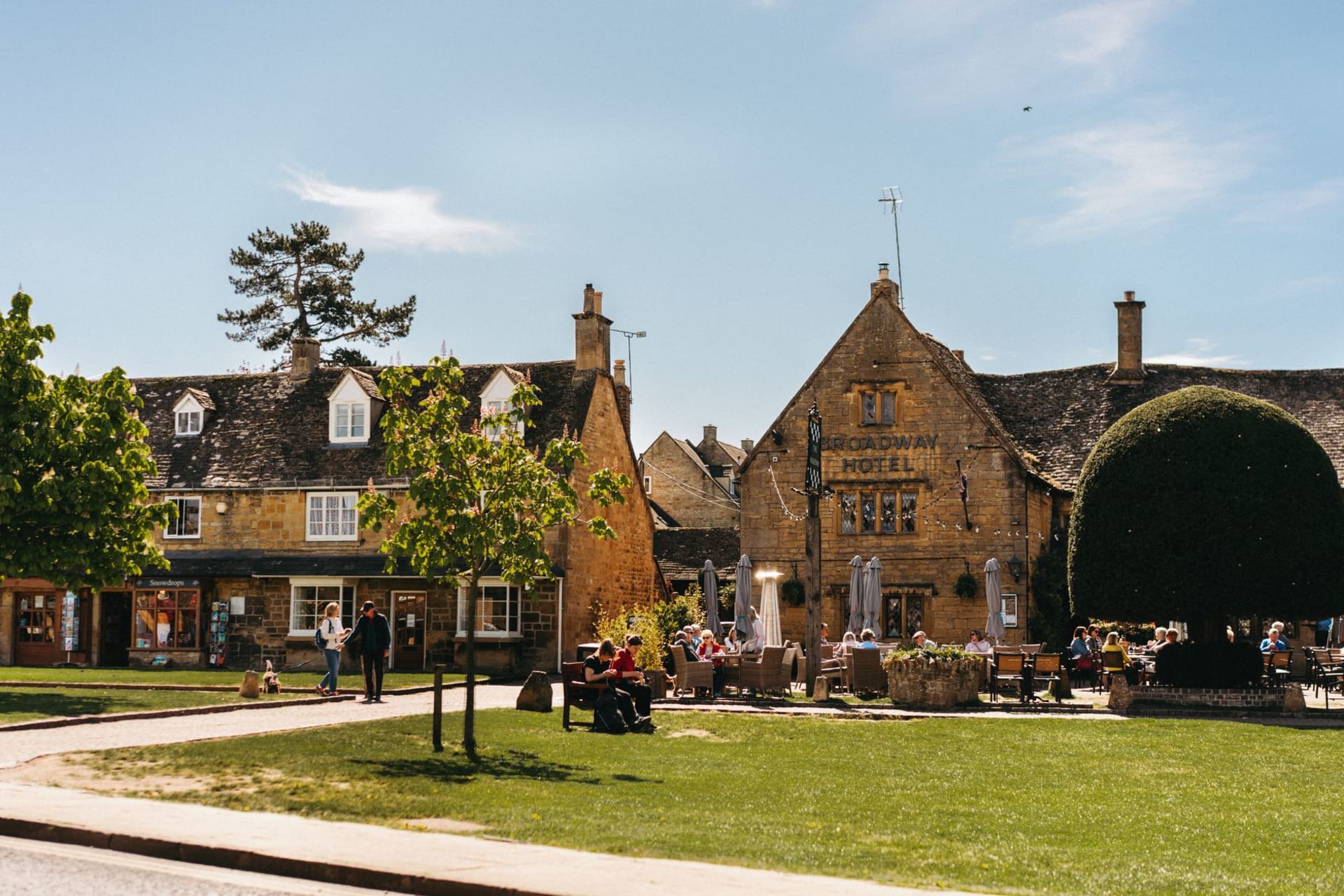
Bourton-on-the-Water
"The river runs right down the high street. England simply decided that was the correct arrangement."
The River Windrush does not behave like a river here. It is too shallow, too calm, too perfectly clear — more like a long reflecting pool that happens to be flowing. It runs right alongside the main street, crossed by a series of low stone bridges that are so gentle in their arch they barely qualify as bridges at all. The first time I saw it I stopped walking mid-stride, which is not something I usually do, because the combination of the water and the stone and the light on a Tuesday afternoon in late May was almost provocatively beautiful, like someone had set the scene too deliberately.
The village earns its nickname — the Venice of the Cotswolds — though that comparison does neither place any favours. It is its own thing: a Cotswold village arranged around water that is too modest to call itself a river but too present to ignore. Children wade through it after school. Ducks patrol it with the proprietary confidence of long-term residents. On summer weekends the banks fill with families eating ice cream and watching nothing in particular, which is exactly what you should do in a place like this.
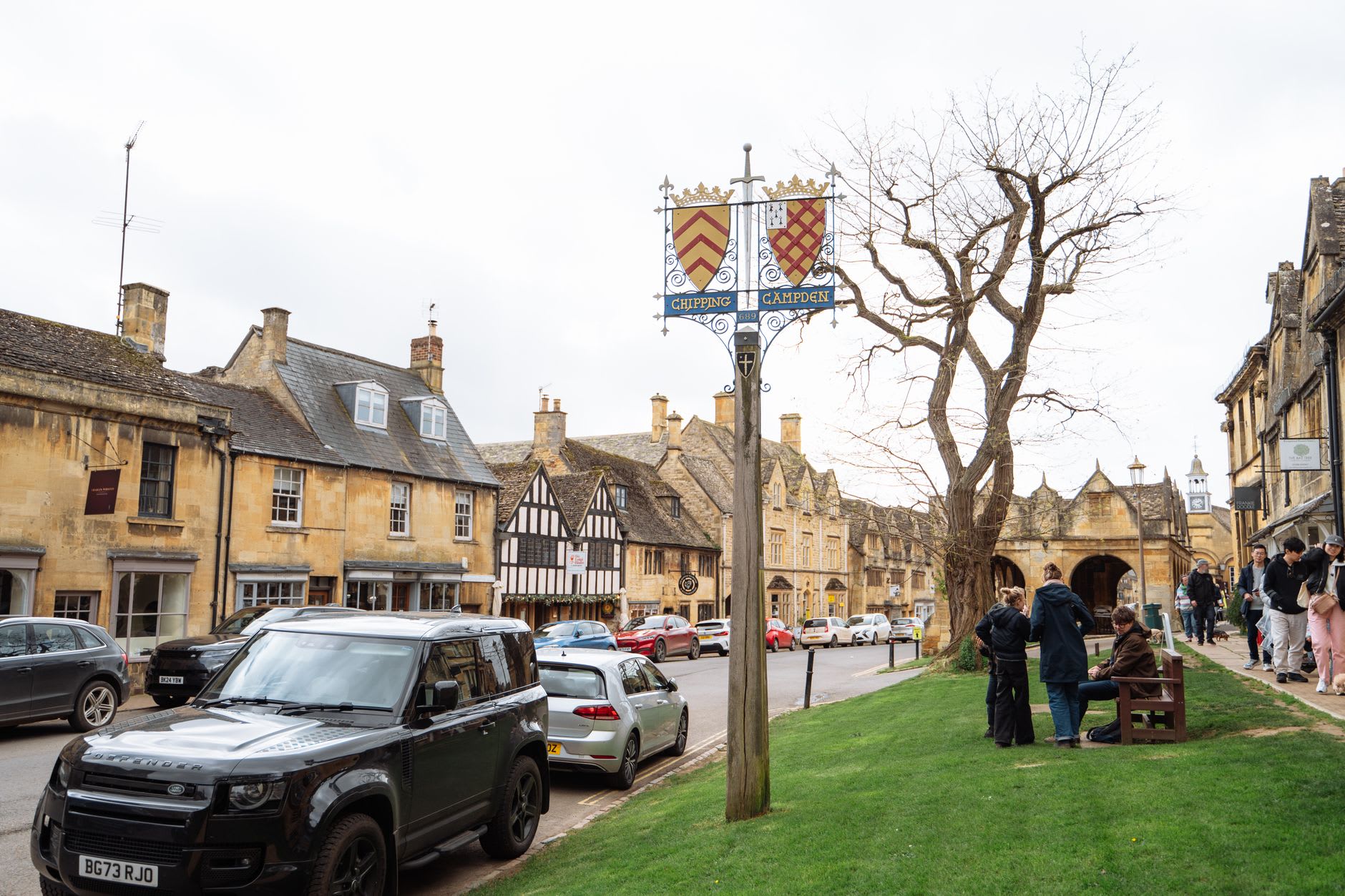
Bourton is honest about being a tourist village and manages not to be embarrassing about it. The Model Village in the garden of the Old New Inn is a 1:9 scale replica of Bourton itself, built in the 1930s in actual Cotswold stone, which means it is a tiny perfect village containing a tiny perfect Model Village, which itself contains an even tinier one. The recursion is dizzying and entirely charming. The Cotswold Motoring Museum nearby has a collection of vintage cars and caravans that manages to be genuinely moving — there is a 1950s caravan fitted out for a family holiday to Wales that stopped me cold, all tartan blankets and enamel mugs and a folding table that could fit four people if they liked each other enough.
The food in the village proper leans heavily toward cream tea, which is correct. I went to a café that had been operating since 1928, and the scones were the proper kind — dense, barely sweet, warm from the oven, with clotted cream that had a yellow crust on top where it had set. The difference between clotted cream and whipped cream is the difference between sleeping in a proper bed and sleeping on a sofa: one is obviously the right answer.
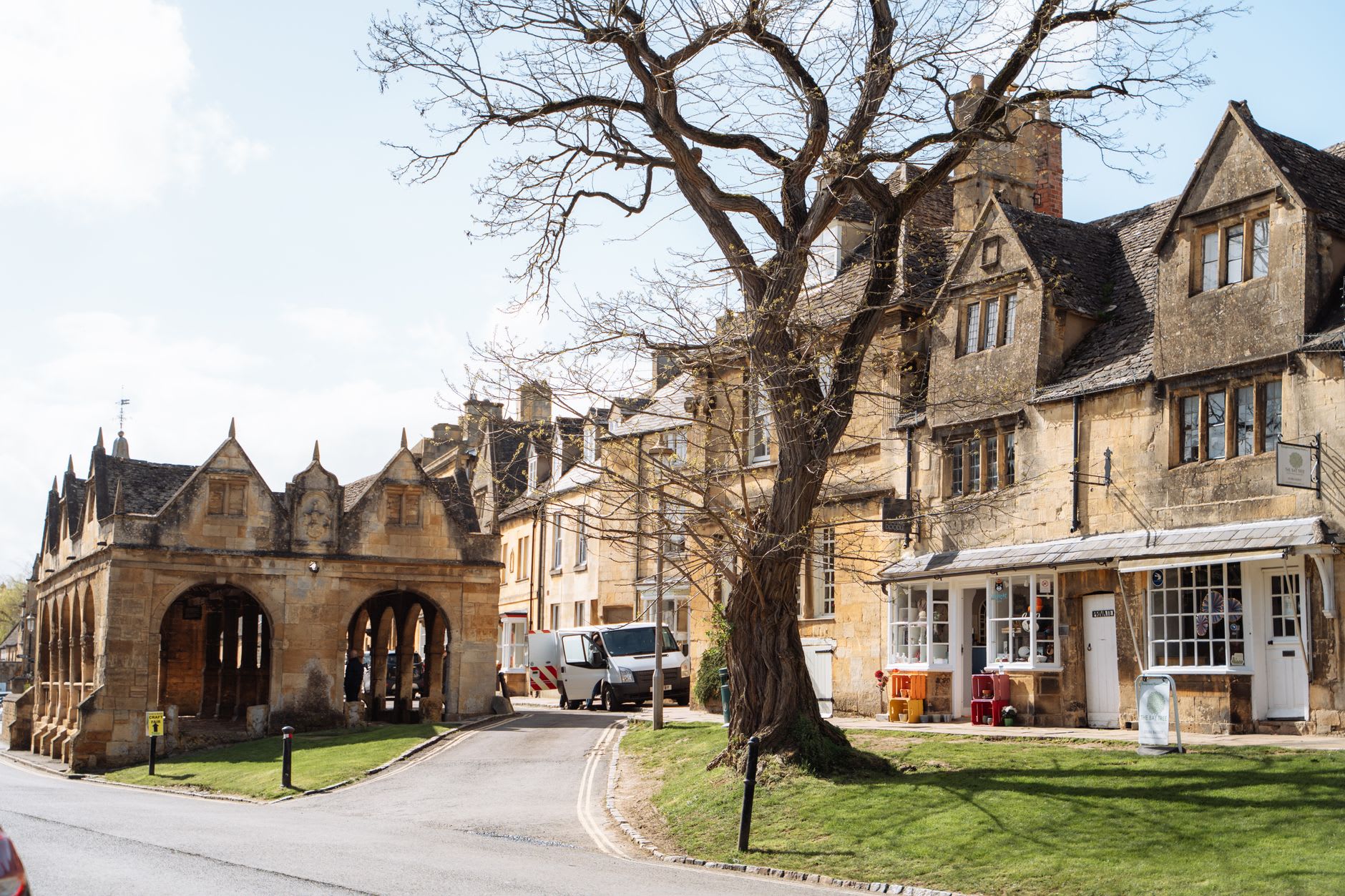
What saves Bourton from feeling like a theme park is the walking that starts ten minutes from the car park. The Slaughters — Upper and Lower — are two villages a mile and a half apart, connected by a footpath along the Eye, a tributary of the Windrush. Lower Slaughter has a Victorian flour mill, its waterwheel still turning, its ground floor converted to a small museum where the smell of old grain and river damp is very specific and very good. Upper Slaughter is quieter and has a sense of having been overlooked on purpose. The footpath between them goes through meadow grass with cowslips in May, and there are usually no other walkers for the whole stretch.
When to go: Avoid August when the car parks fill by nine and the bridges are elbow-to-elbow. Late May through June is ideal — warm, long evenings, the gardens full. October and November are unexpectedly lovely: the Windrush runs higher, the light goes golden faster, and the village belongs mostly to its residents.