Europe
Cotswolds
"England keeps this place hidden in plain sight, two hours from London."
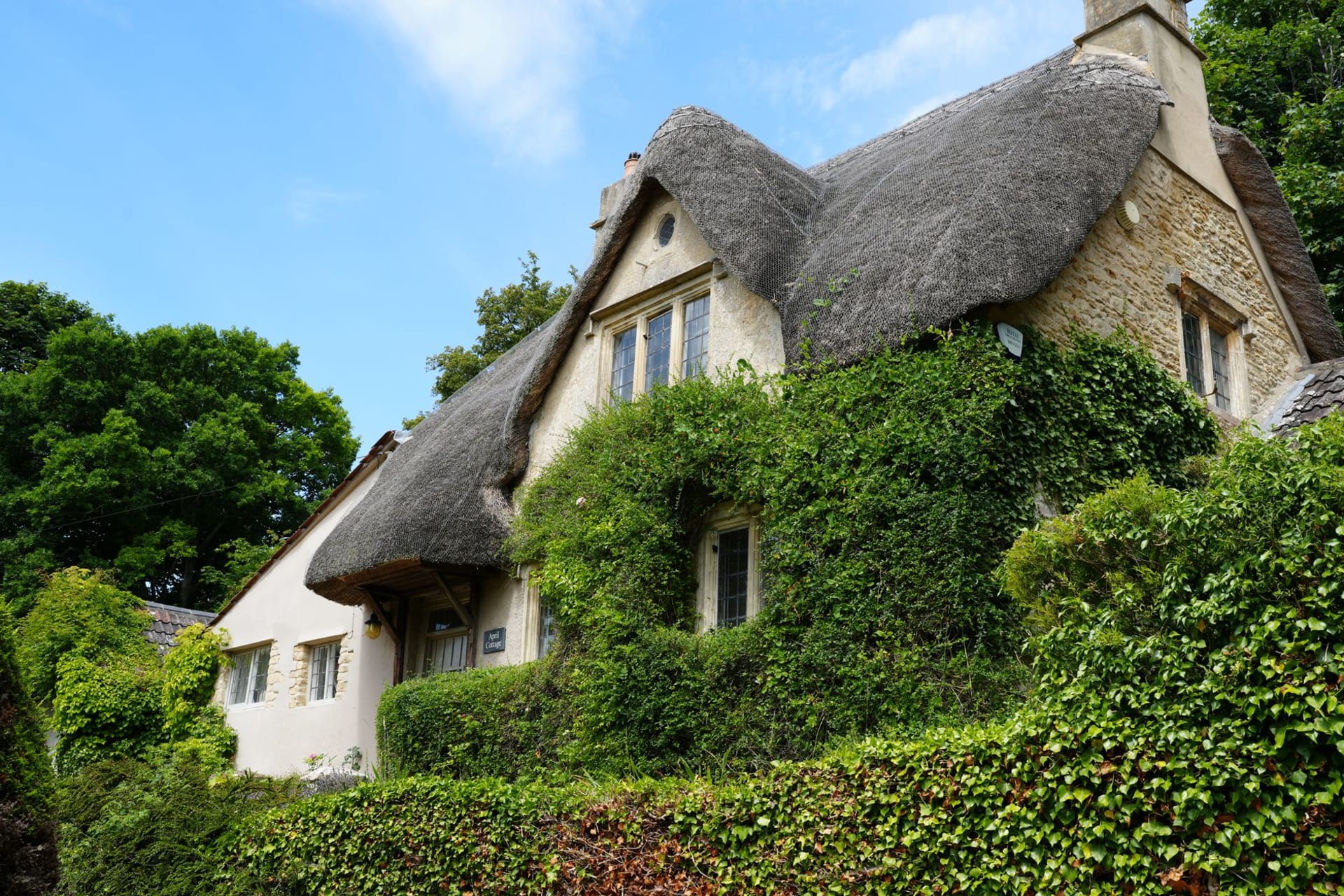
I arrived in Bourton-on-the-Water on a Tuesday in late May and immediately understood why the English feel the need to defend their countryside so fiercely. The high street ran alongside the River Windrush — barely a river, really, more of a wide, perfectly clear stream — and children were wading in it in school uniforms while their parents drank tea outside a café that had been there since 1928. There was wisteria on every wall. The stone was the colour of clotted cream. It was, frankly, almost too much.
The Cotswolds are a designation of protected English countryside spread across six counties, but the heart of it sits between Chipping Campden in the north and Bourton in the south. Chipping Campden has the best high street in England — no hyperbole, I will stand by this — a long curve of medieval wool merchants’ houses in that signature Cotswold limestone that turns gold in afternoon light. Bibury’s Arlington Row is the most photographed street in the country for good reason, though it is genuinely crowded by ten in the morning. The trick is to walk ten minutes in any direction from the carpark and find a footpath across the fields, where suddenly you are alone in a landscape that has not fundamentally changed since the wool trade made this the richest region in England seven hundred years ago. I ate a ploughman’s lunch at a pub in Northleach — local cheddar, Branston pickle, crusty bread — and stayed two hours because the barman was telling me about how the pub’s cellar still floods from an underground stream every winter.
The Cotswolds reward the person who ignores the itinerary. Bourton and Burford draw crowds. But Snowshill, Stanway, Duntisbourne Abbots — these villages have no coffee shops, no tour buses, just the sound of rooks in the beeches and the particular quiet of England when it is not performing for anyone. Winchcombe is undersold and has the best approach to Sudeley Castle, where Catherine Parr is buried in the chapel. That detail alone stopped me for twenty minutes.
When to go: May and June before the school holidays — the gardens are at peak bloom and the light lasts until nine at night. Late September into October is exceptional: the crowds thin, the beech woods go copper and gold, and the pubs have the fires lit. Avoid August bank holiday weekends unless you enjoy slow-moving traffic on single-lane roads behind hire cars.
What most guides get wrong: They present the Cotswolds as a place to consume — cream teas, gift shops, heritage sites to tick off. But it is fundamentally a walking landscape. The Cotswold Way is a 164-kilometre national trail that connects Chipping Campden to Bath, and even doing three or four hours of it puts you inside the place rather than in front of it. The real Cotswolds is what you see from the footpath between two villages, not the carpark of the one that made the Instagram list.