St Michael's Mount
"I've walked to Mont-Saint-Michel's sister a dozen times in my head, and it still stopped me cold in person."
A tidal island crowned by a medieval priory turned castle, reachable on foot at low tide across a granite causeway from Marazion.
Lia and I timed our whole morning in Marazion around a tide table, which felt like a very un-Pierre thing to do until I understood why. St Michael’s Mount only lets you walk to it when the sea allows — the causeway, a ribbon of granite cobbles, surfaces for a few hours around low tide and then disappears again, boats taking over for anyone who lingers too long on the island. We got the timing wrong on our first attempt and stood on the beach watching the water swallow the path meter by meter, laughing at ourselves, plotting a return two days later when the numbers finally lined up.
The second try worked. We crossed with our shoes in hand, seawater still pooling in the cobble gaps, and climbed up through the little harbor village toward the castle at the summit. What got me wasn’t just the fortress silhouette — it was learning that a Benedictine priory sat up there in the 12th century, founded as a daughter house of Mont-Saint-Michel across the Channel. I grew up two hours from the French Mont-Saint-Michel, and standing on its Cornish counterpart felt like meeting a cousin I’d heard about my whole life but never actually visited.

We spent a long while in the subtropical gardens terraced into the rock below the castle, Lia photographing agapanthus against grey stone while I read a placard about the St Aubyn family, who took over the fortress centuries after the monks and still keep a private wing there today — the rest managed by the National Trust for people like us to wander through. There’s also something older buried under all of it: archaeologists have found traces suggesting the Mount mattered long before any priory, possibly as a trading point on Bronze Age tin routes, which added a layer of scale to the place that I hadn’t expected before we arrived.

We ended up back on the harbor wall as the tide turned, watching the causeway vanish again under grey-green water, a small boat ferrying the last stragglers across. It’s a strange, satisfying kind of rhythm to build a visit around.
When to go: We went in early summer, and I’d say aim for spring through September if you can — that’s when the causeway crossing at low tide is most dependable and the castle gardens are fully open, though I’d still recommend checking the tide tables before you plan your day.
Keep exploring
More from Cornwall
 cornwall
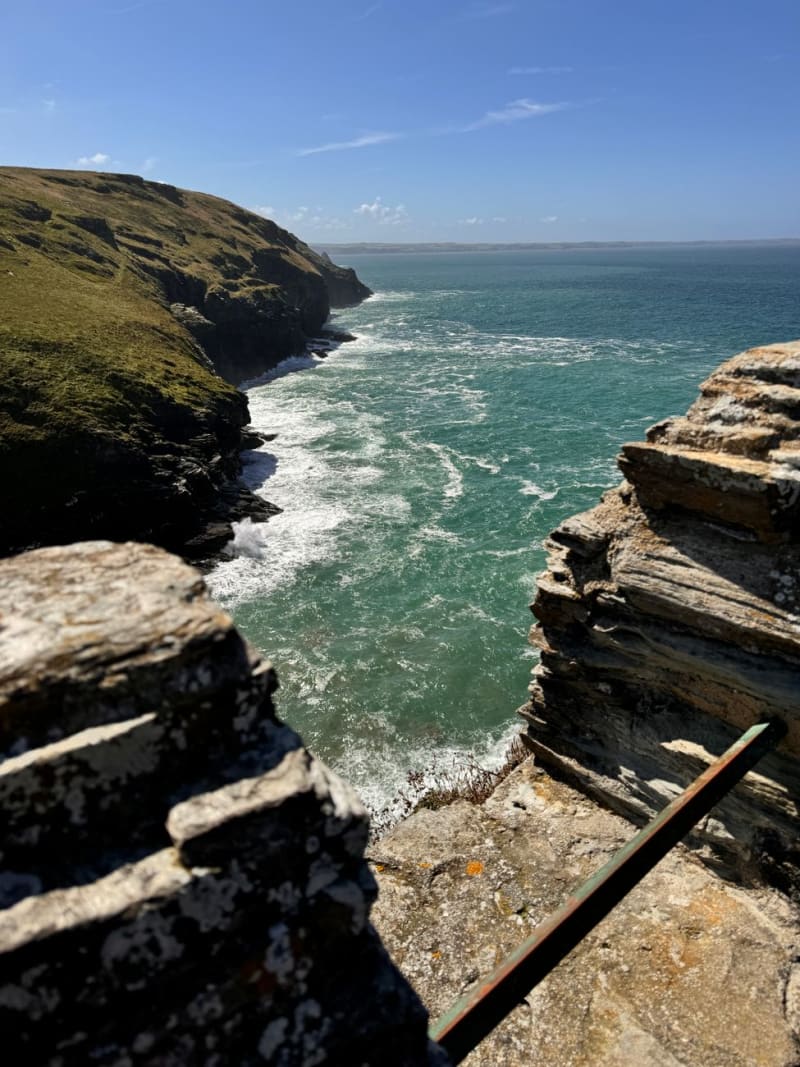
 Tintagel
A wind-hammered headland on the north coast where a half-ruined castle clings to the rock and the Arthurian legend refuses to die.
Explore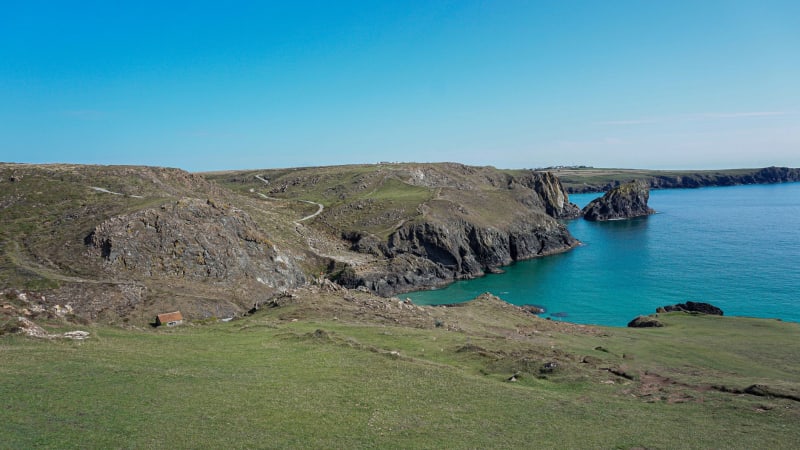 cornwall
 Zennor
A village of perhaps fifty houses on a headland that looks like it was placed here by something indifferent to human comfort.
Explore cornwall
 Bodmin Moor
The granite interior of Cornwall — windswept, ancient, and indifferent to your plan for the afternoon.
Explore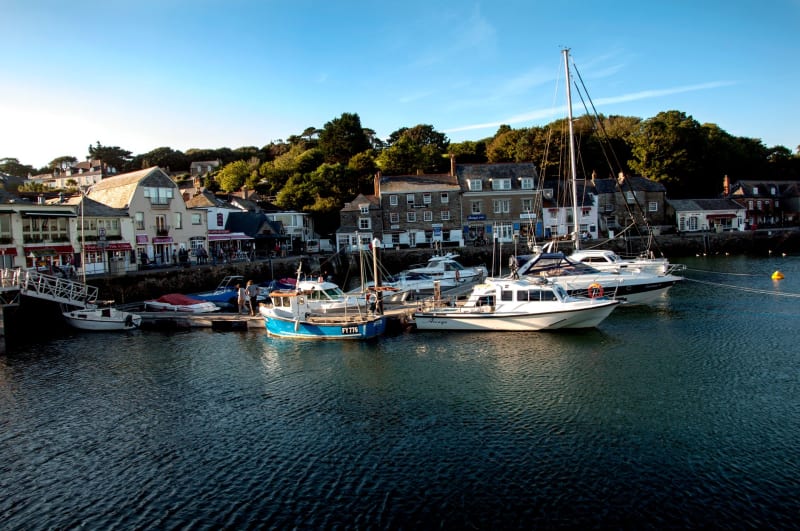 cornwall
 Falmouth
A deep-water harbor with a maritime identity so old it makes everything else in the port feel recent.
Explore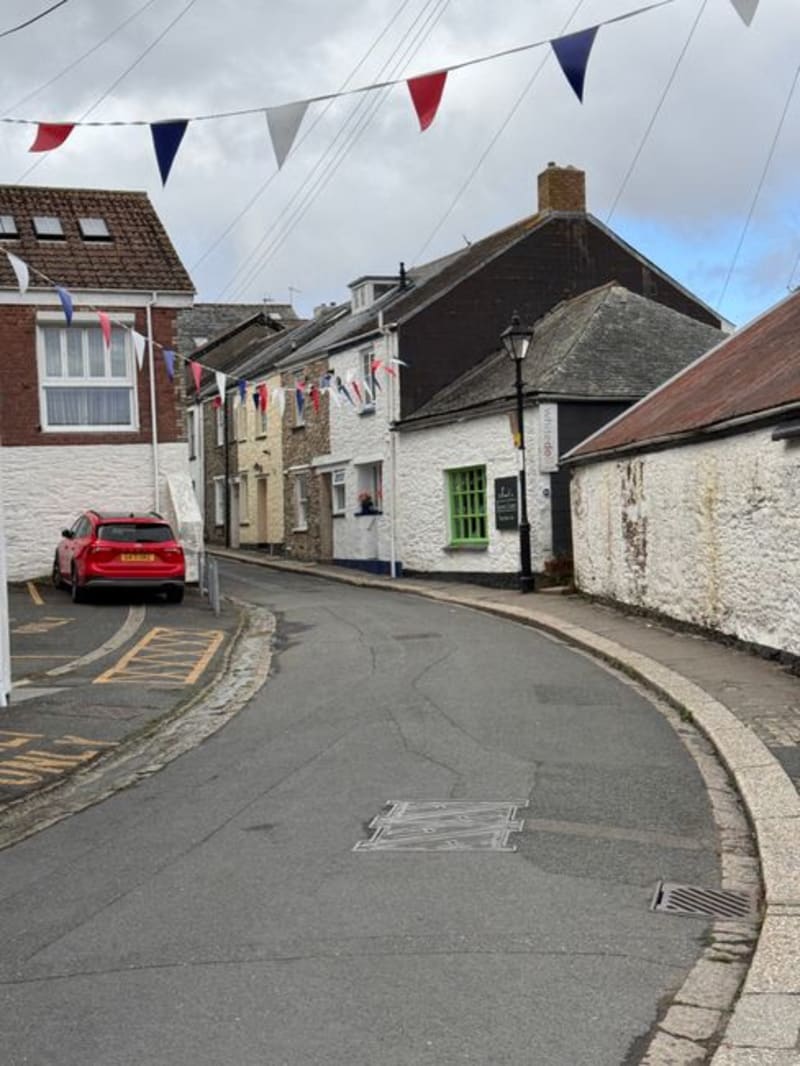 cornwall
 Fowey
A steep, secretive port town on a tidal river, where fishing boats, du Maurier's ghosts, and pasty steam fill the narrow streets.
Explore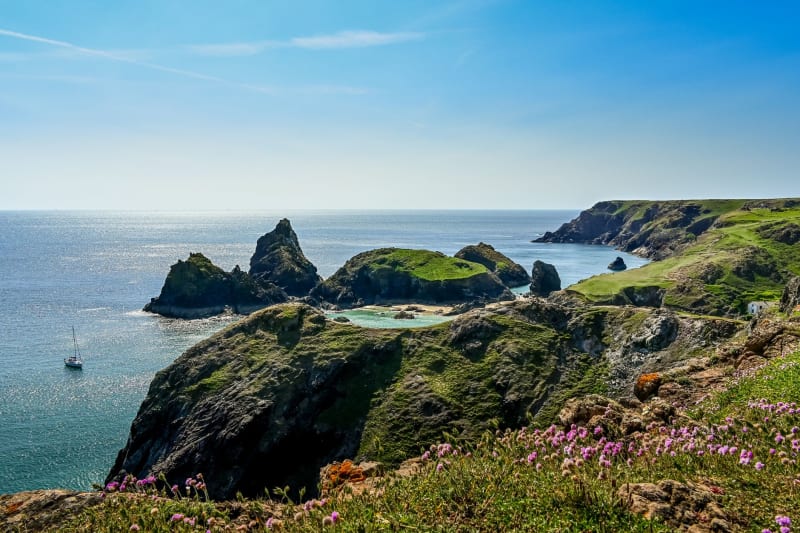 cornwall
 Lizard Peninsula
The southernmost point of mainland Britain, where the Atlantic meets the Channel and the geology turns strange and beautiful.
Explore