
Punanga Nui Market
"One plate of ika mata at a plastic table with strangers. That is the entire argument for coming here."
The smell reaches you before the market does — coconut cream and something frying in hot oil and the vague sweetness of ripe fruit left in the warm evening air. I smelled it from the road, walking down from the guesthouse a little after five, and I followed it the way you follow something that knows what it is doing. Punanga Nui operates in a covered market building near Avarua’s waterfront, but on Friday evenings it overflows out into the surrounding car park, where additional stalls set up and plastic tables appear and a man with a guitar plugs into an amplifier that is slightly too loud for the space and everyone seems grateful for it. By six, the place is full. By half past six, the best stalls have queues.
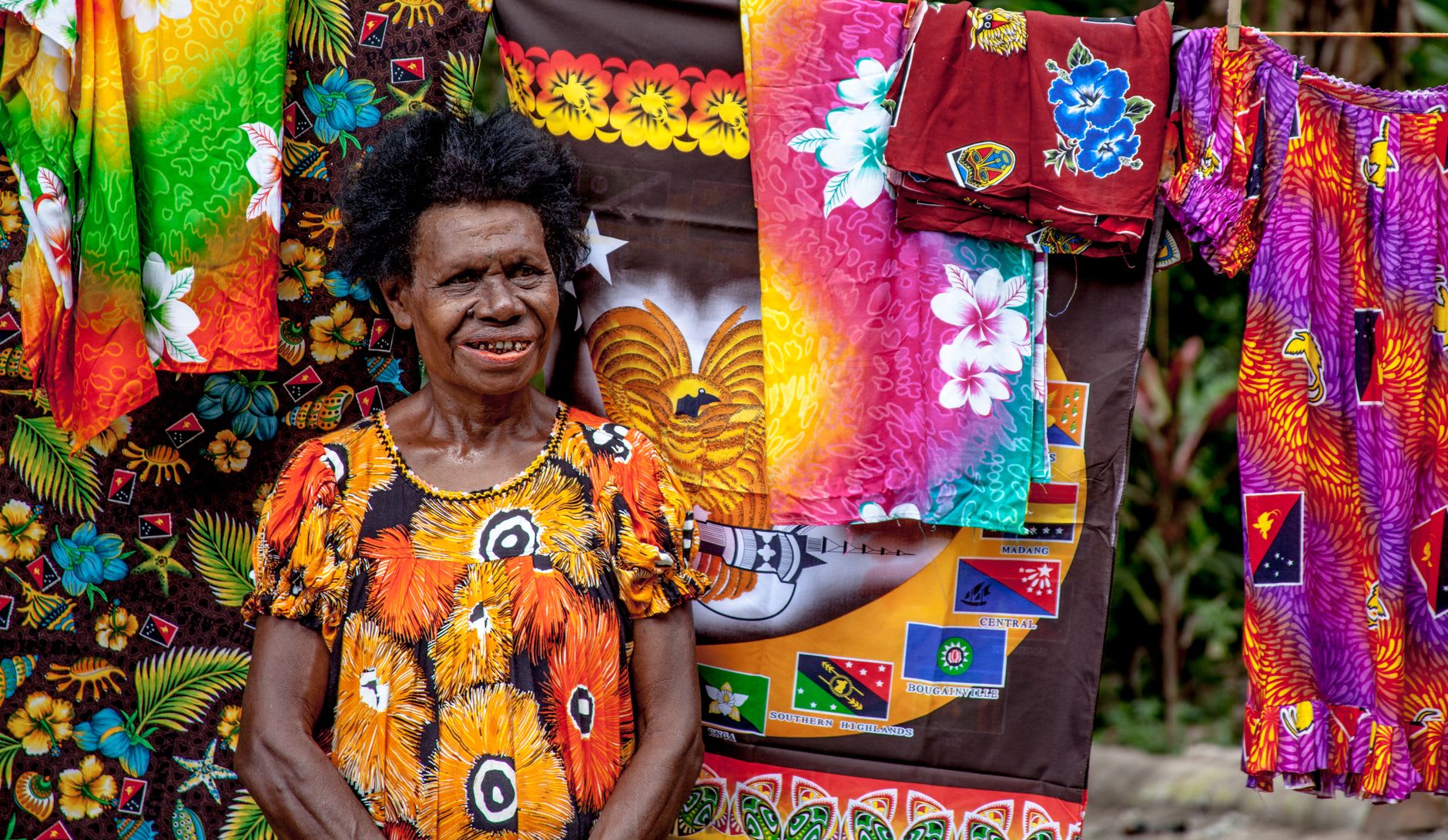
The food is the reason, and the food begins with ika mata. It is Cook Islands raw fish — deep-water varieties like walu or mahi mahi, diced small, marinated for a few hours in lime juice until the acid has just begun to work through the flesh, then mixed with coconut cream, raw onion, tomato, and chilli if the cook believes in it. Every stall makes it slightly differently. One is more citric, one richer in coconut, one carries a heat that builds slowly after the first few bites. I ate it three Fridays in a row, each time from the same stall run by a woman who could produce eight plates in four minutes flat and who gave me extra chilli after I asked for it once. There are also breadfruit fritters, rukau — taro leaves cooked in coconut milk until they are dark and silky — fresh coconut juice served straight from the shell, and desserts that involve coconut in combinations I have not seen reproduced anywhere since.
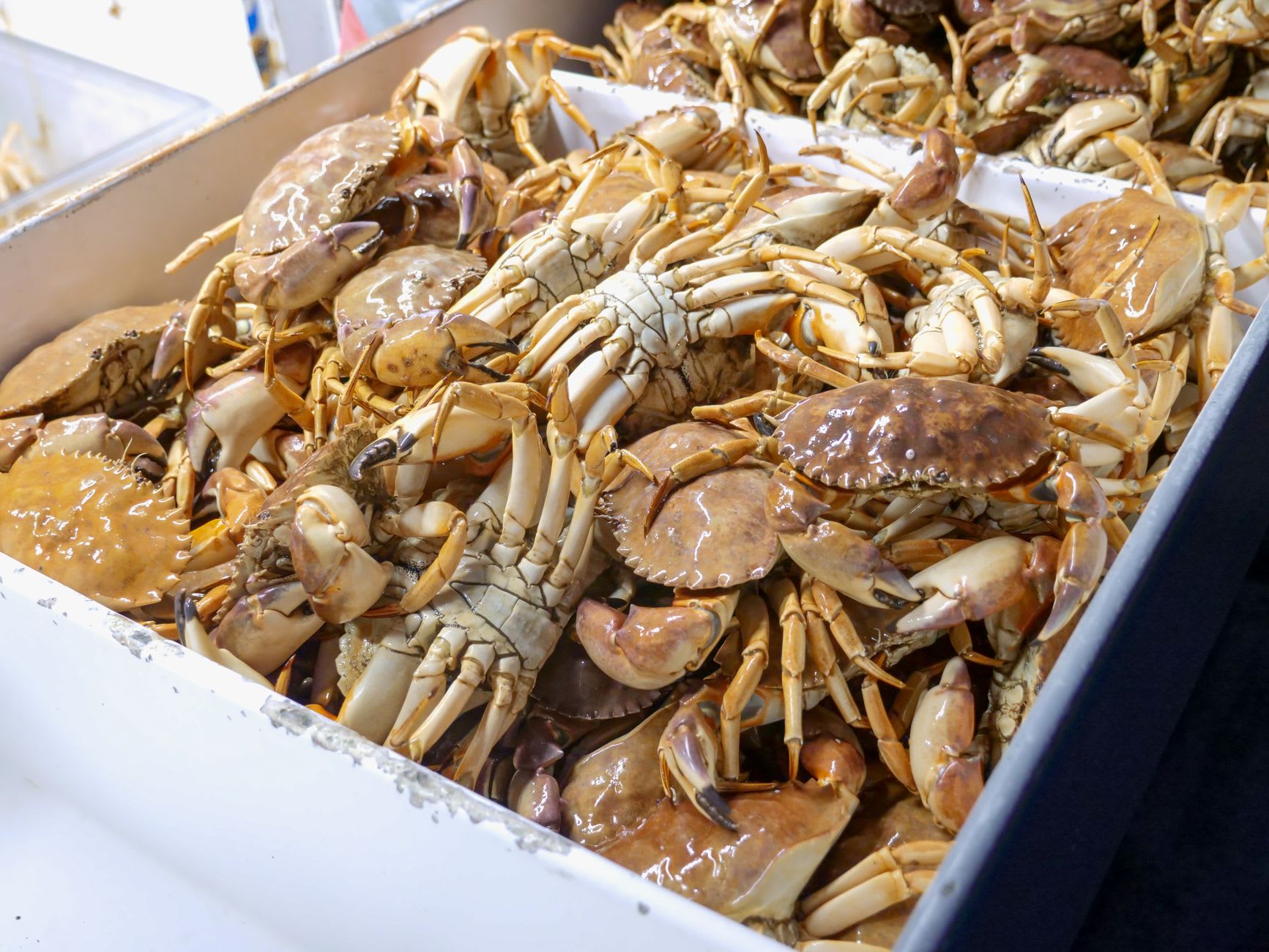
The crafts section runs along the back wall: tivaivai quilts in brilliant geometric patterns, woven pandanus baskets, carved wooden figures, shell jewellery. These are not airport souvenirs — the tivaivai in particular are works of considerable labour, made in community groups over months, and the women who sell them know exactly what they are worth and will not negotiate downward for anyone. The music shifts over the course of the evening — the first act is usually something upbeat, by nine there is often traditional drumming and Cook Islands dancing that the children at the table next to me found much funnier than I did. The market closes around nine, but nobody seems to leave voluntarily before then. Punanga Nui is one of those rare occasions when the food market genuinely functions as the social heart of a place — not a tourist attraction with a food component, but a community event that tourists happen to be welcome at.
When to go: Punanga Nui opens every Saturday morning as a produce and craft market, but Friday nights are the main event — the food stalls, the live music, and the full community atmosphere only converge on Fridays. Arrive around five or five-thirty to secure a table before the crowds peak. The market typically runs until around nine.