Highland Paradise
"Warriors chose this ridge because you can see anyone coming from three directions. Standing there, that logic still makes total sense."
A former warrior fortress on Rarotonga's inland ridge, now a cultural site with panoramic lagoon views and ancient marae scattered through the jungle.
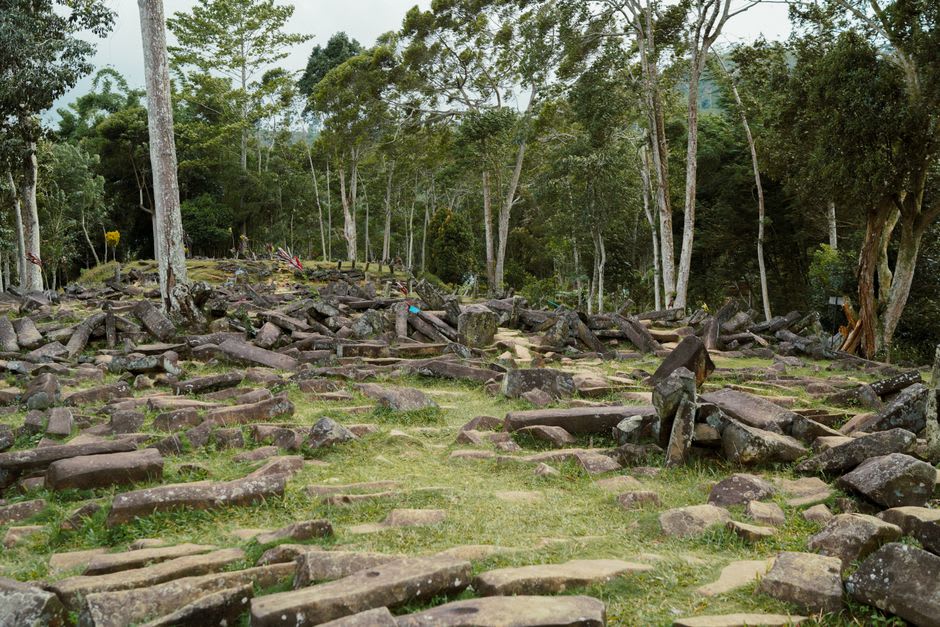
Highland Paradise sits up on a ridge above Maungaroa on Rarotonga’s western side, and getting there — a rough climb by four-wheel-drive track that a local guide navigated with more confidence than the road strictly justified — already tells you something about why ancient chiefs picked this spot to retreat to in times of conflict. It was once the fortified home of the Tinomana tribe, and the layout still makes tactical sense the moment you’re standing in it: steep approaches on nearly every side, and a view out over the lagoon and reef that would have made an approaching war party visible from a long way off.
What remains are the marae — raised stone platforms once used for ceremonies and, in earlier centuries, for less ceremonial purposes that our guide didn’t shy away from describing in some detail. Walking between them through jungle clearings, past a stone said to have been used in ritual sacrifice and past ancient banyan roots that have grown up and around old walls over the centuries, gives the whole site a weight that’s hard to get from a museum plaque. The guide, whose family history connected directly to the Tinomana line, narrated it less like a tour script and more like something he’d grown up hearing at home, which changed how I listened to all of it.
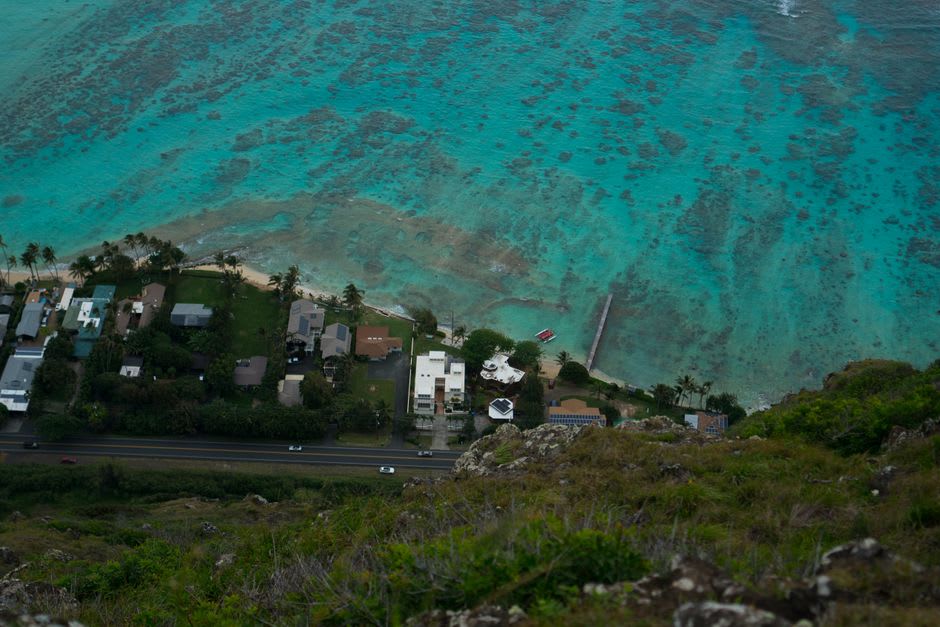
The view from the ridge’s edge is, without exaggeration, one of the best on the island — the entire lagoon laid out below in bands of turquoise and deep blue, the reef line visible as a pale ring holding it all in, and the interior jungle falling away steeply beneath your feet. I stood there longer than the tour schedule technically allowed, and nobody rushed me.
When to go: Visits run as guided tours, typically in the drier months from April to November when the access track is less treacherous. Book through a local operator rather than attempting the climb independently — the track and the history both benefit from a guide.
Keep exploring
More from Cook Islands
 cook-islands
 Mangaia
The oldest island in the Pacific — ancient coral-ringed, largely bypassed by tourism, and magnificent in the way only places indifferent to their own fame can be.
Explore cook-islands
 Manihiki
The pearl atoll of the northern Cook Islands, where black-lipped oysters are farmed in a vast lagoon and entire families still free-dive for a living.
Explore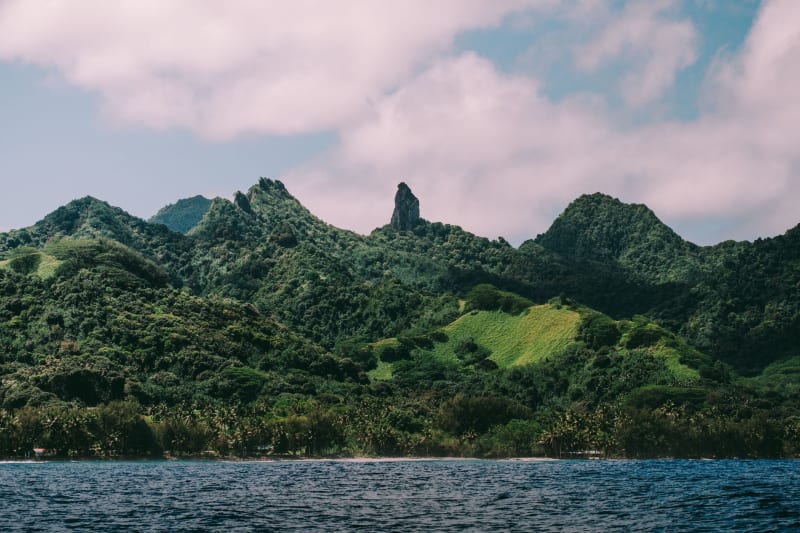 cook-islands
 Mauke
A remote outer island of coral makatea shores, ancient stone maraes, and a population of around three hundred — unpolished, unhurried, and entirely itself.
Explore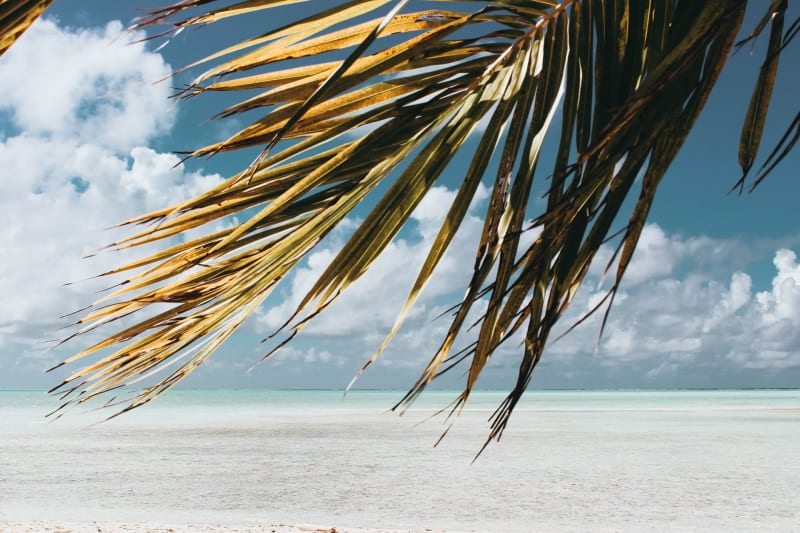 cook-islands
 Muri Beach
Rarotonga's eastern lagoon — wade out fifty metres and the water is still knee-deep, gin-clear, and warm enough to never want to leave.
Explore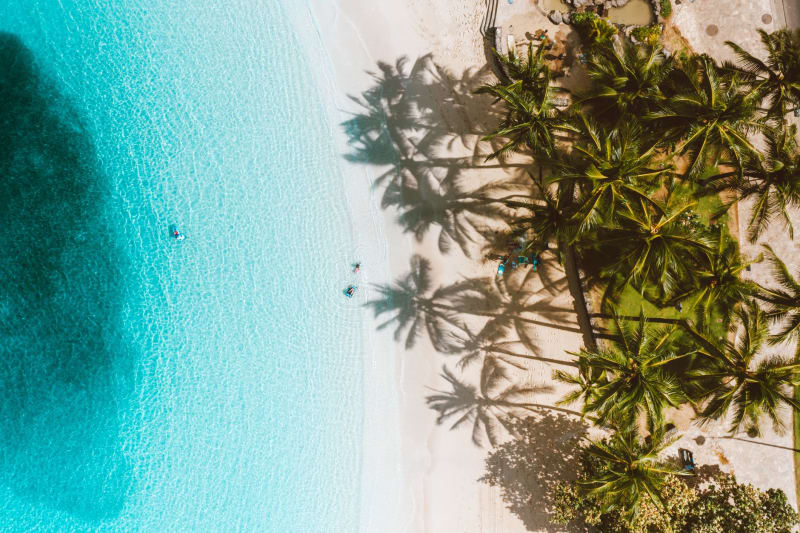 cook-islands
 One Foot Island
A white sand motu in the heart of Aitutaki Lagoon — perfectly formed, surrounded by water so turquoise it seems digitally adjusted, and yet entirely real.
Explore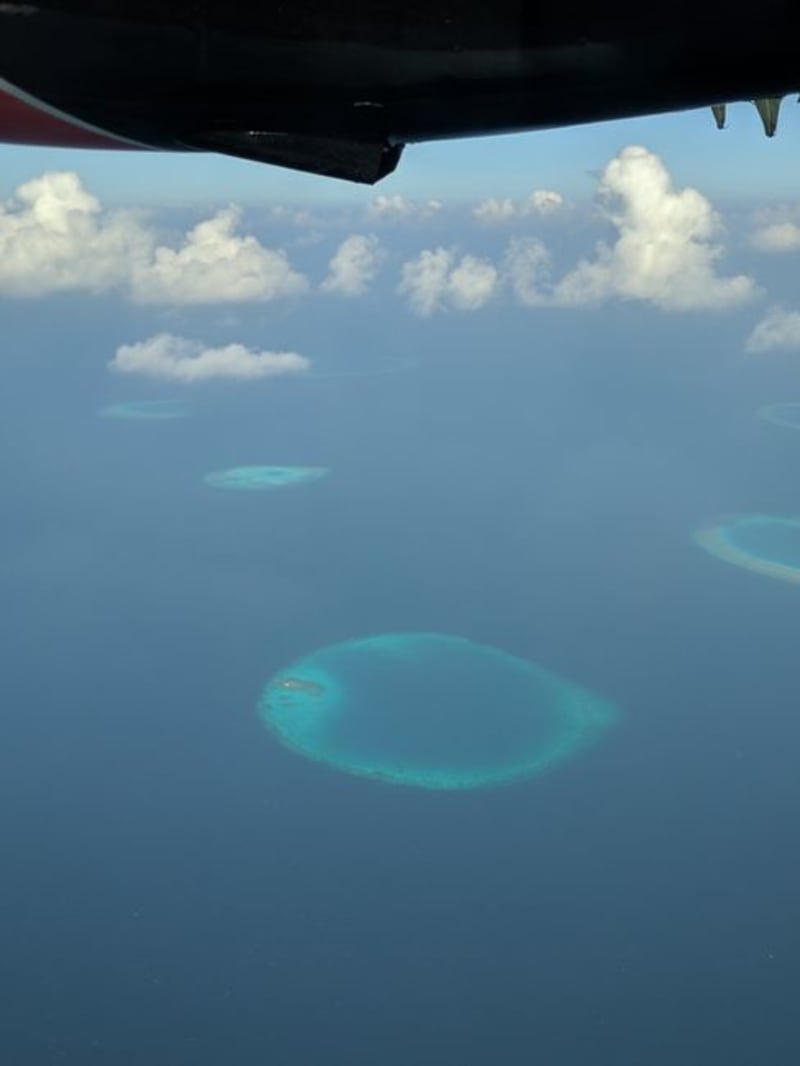 cook-islands
 Palmerston Atoll
A single-family atoll in the middle of nowhere, populated entirely by the descendants of one English sailor and his three Polynesian wives, reachable only by a supply ship that visits a handful of times a year.
Explore