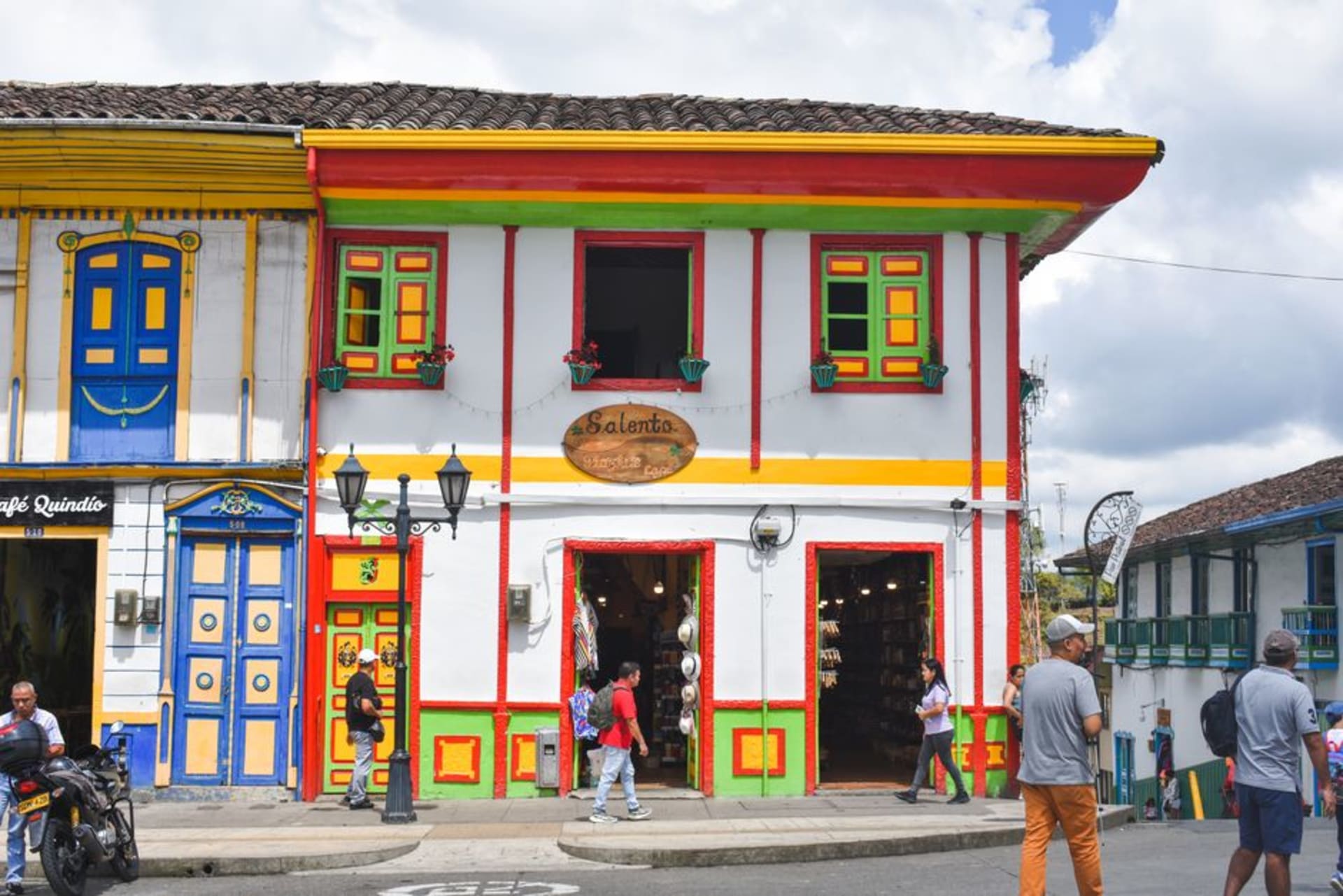
Pijao
"In Pijao I finally understood what 'no rush' actually feels like in my body."
A pastel-painted coffee town in Quindío where Colombia's first Cittaslow certification made unhurried living into a way of life.
Lia found Pijao on a map almost by accident, a small dot along the road connecting Armenia to Buenavista, and neither of us had heard of it before a Salento innkeeper mentioned it over breakfast. “That’s the slow town,” he said, like it explained everything. It does, sort of. Pijao became the first town in Colombia certified by Cittaslow, the Italian-born movement for sustainable, unhurried local living, back in 2011, and you feel that certification the moment you park the car and start walking. Nobody was in a hurry. Nobody honked. A man sat outside his doorway shelling something into a bowl and looked up just long enough to nod at us.
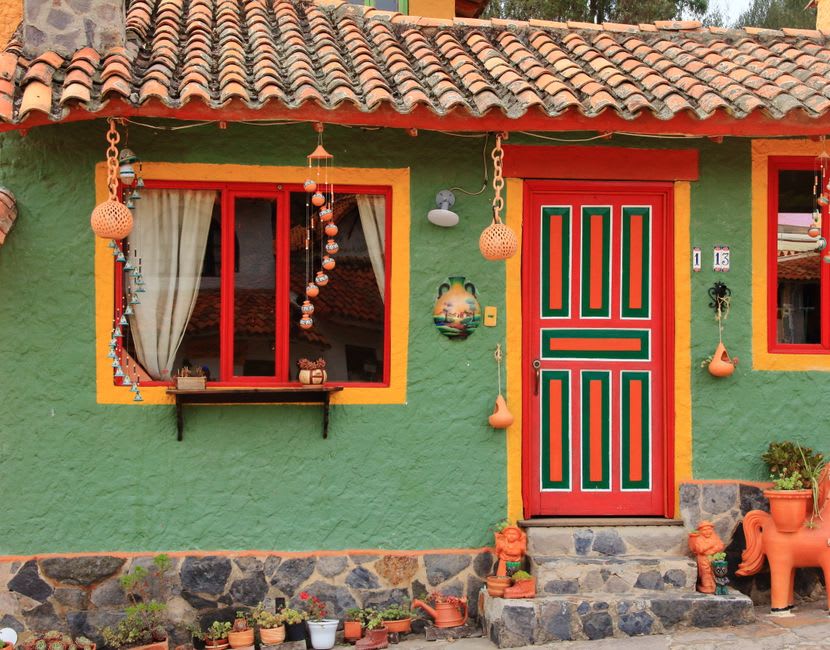
The houses did most of the talking that first afternoon — turquoise, mustard yellow, coral pink, all single-story, all in that paisa colonial style you see across the coffee zone but rendered here with an extra dose of color, as if the town had decided cheerfulness was part of the slow-living philosophy too. We wandered without a plan for almost two hours, Lia photographing doorframes while I kept getting distracted by the plantain groves visible at the end of every side street, the hills folding into farmland almost immediately past the last house.
What stayed with me longer than the colors, though, was a conversation with the owner of the finca we stayed at just outside town, a woman who’d grown up in Pijao through the worst of it — the guerrilla and paramilitary violence that hit Quindío hard through the 1990s and 2000s. She talked about it plainly, without performing grief, and then pivoted, almost in the same breath, to how the town rebuilt itself around its coffee and its slowness, how agritourism gave people a reason to stay instead of leave. She poured us coffee grown twenty meters from where we sat and said, “This is what we chose to become good at instead.” I’ve thought about that sentence more than once since.
We spent our last morning hiking a loop through the farms surrounding town, plantain leaves brushing my shoulders on the narrower stretches, a dog from some unseen house adopting us for half the walk. The light through the coffee bushes at that hour was the kind you can’t really photograph properly, though Lia tried anyway.
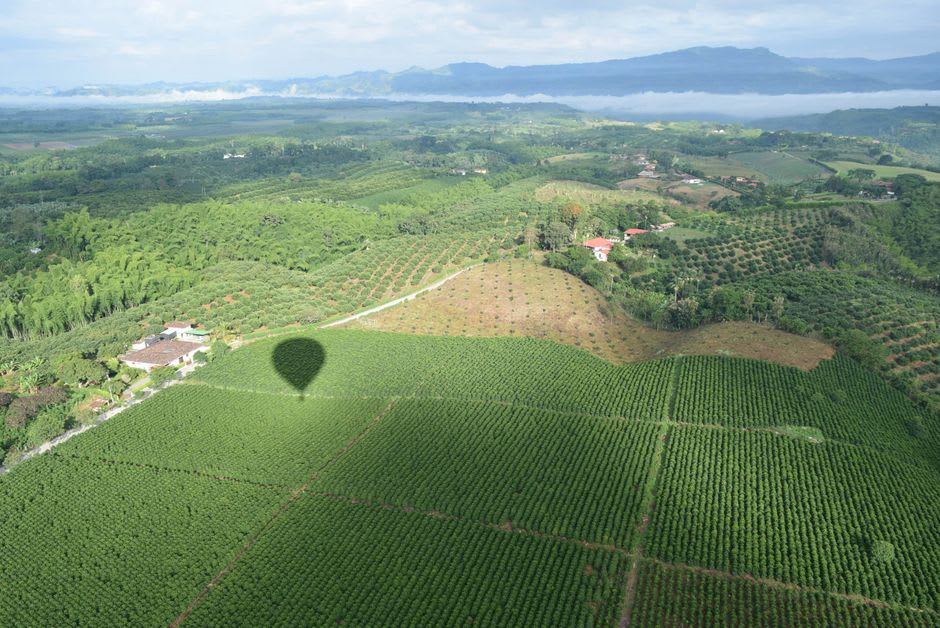
When to go: We got lucky with dry, clear mornings, and I’d plan around that if you’re going for the hiking — aim for December to March or July to August, when the trails through the coffee farms stay firm underfoot and the views actually hold.