Americas
Colombian Coffee Region
"The best coffee I ever drank cost fifty cents, three hours from Bogotá."
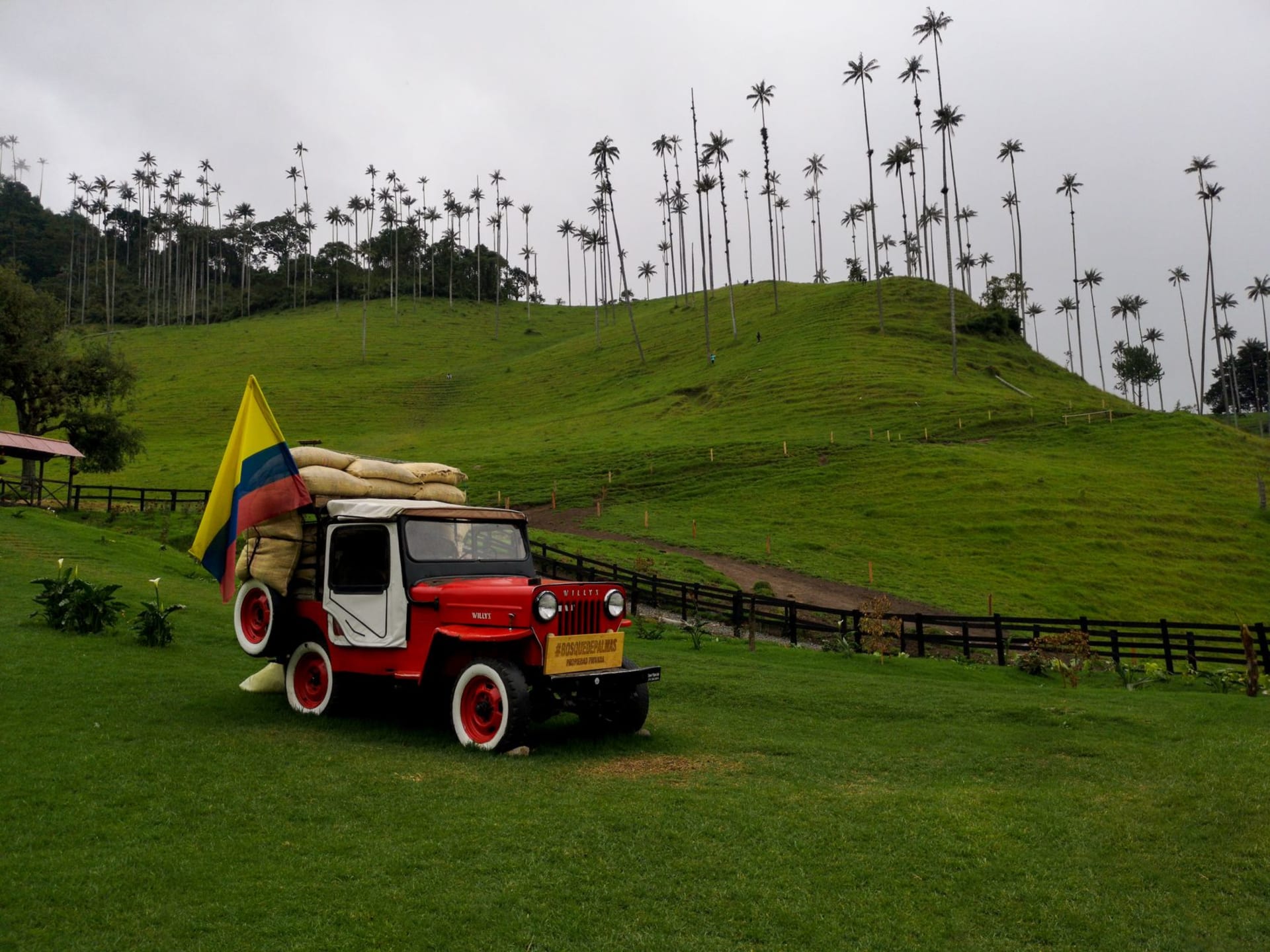
A rumpled landscape of emerald hillsides, wax palms, and jeeps overloaded with plantain — where Colombian coffee goes from cherry to cup at altitude.

The jeep was already full when it left Salento’s main square — passengers on the roof, bags wedged between knees, a crate of something alive strapped to the back. I squeezed in anyway. Twenty minutes of red-dirt road later, I was standing in the Valle de Cocora watching clouds roll through a corridor of wax palms so tall and improbable they looked drawn by someone who had never actually seen a palm tree. That was my arrival into the coffee region, and it set the tone for everything that followed: a little improvised, slightly ridiculous, completely worth it.
The Eje Cafetero — the three departments of Caldas, Quindío, and Risaralda — is the geographic and emotional heart of Colombian coffee culture. But the experience of being here is less about cupping notes and terroir than about the rhythm of finca life. You wake to mist on the hills. Breakfast is changua, a thin milk and egg soup that sounds wrong and tastes like home. The coffee bushes are everywhere, trimmed low on the slopes, their red cherries picked by hand by workers who move through the rows with a speed that makes your back ache just to watch. In a good finca, the owner will walk you through the whole process — fermentation tanks that smell of ripe fruit, drying beds spread under shade cloth, the ancient hulling machine that rattles the whole barn when it runs.
Salento is the base most travelers choose, and it earns its popularity without being ruined by it yet. The wooden balconies painted in candy colours, the billiards halls and aguardiente, the street that sells nothing but trout from the local rivers — it is genuinely charming in a way that does not feel engineered. Filandia is quieter and sits higher, with a mirador that gives you the whole quilt of the valley on a clear morning. Manizales is the city version — more cosmopolitan, with a decent coffee scene and a cable car that crosses above the fog.
When to go: The coffee region has two dry seasons — December to February and June to August. The rest of the year is not impossible, just muddy, and the clouds can settle for days. I went in late January and had clear skies most mornings with afternoon rain that cleared by evening. That pattern is ideal.
What most guides get wrong: They treat Salento as a day trip from Medellín or Armenia. The region rewards slowing down — at least three nights, ideally five. The better finca tours are not the ones booked through the main square agencies but the smaller farms in the hills around Circasia and Buenavista that you reach by asking locally. And almost no one mentions the thermal baths at Santa Rosa de Cabal, a two-hour drive north: concrete pools in a canyon with waterfalls and grilled corn vendors, packed with Colombian families on weekends, nearly empty on a Tuesday morning.
Explore
Places in Colombian Coffee Region
 coffee-region-colombia
 Armenia
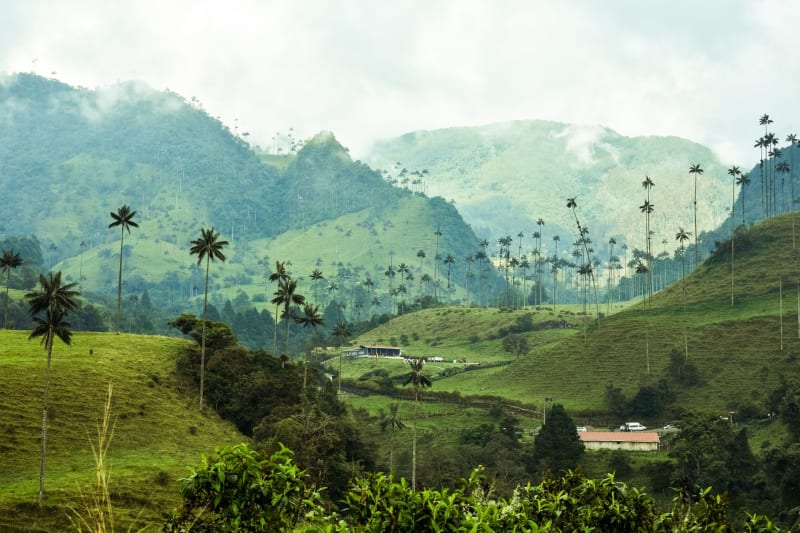
Quindío's modern capital is where coffee culture goes urban — the region's best coffee museum, a lively plaza, and the logistics hub most people fly through without stopping.
Explore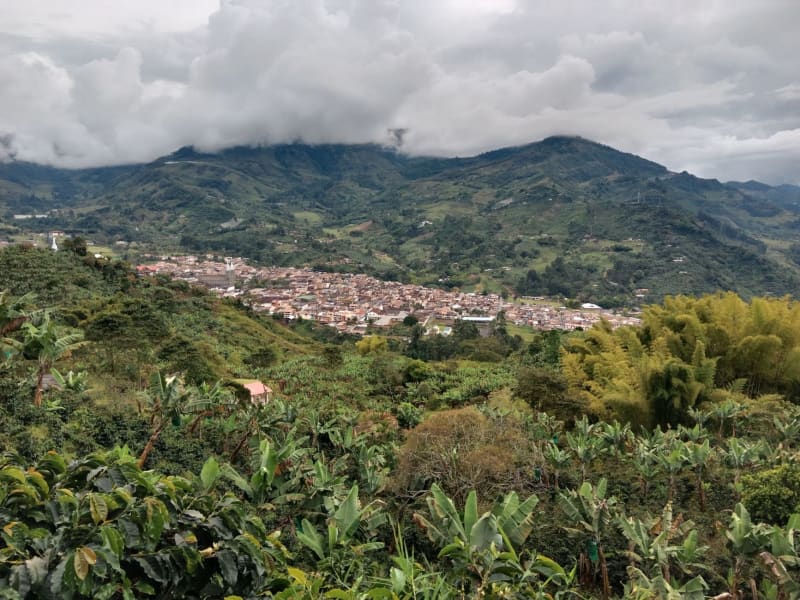 coffee-region-colombia
 Buenavista
A small Quindío hilltop village with panoramic views over three departments — and a coffee culture so local it barely has a name for itself.
Explore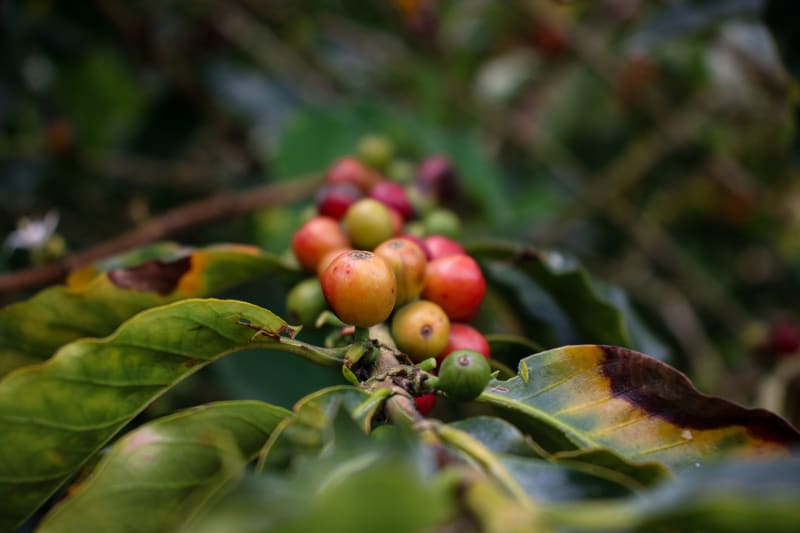 coffee-region-colombia
 Circasia
A working Quindío coffee town without the tourist veneer — real finca access, a striking cemetery, and a market square that smells of raw cacao.
Explore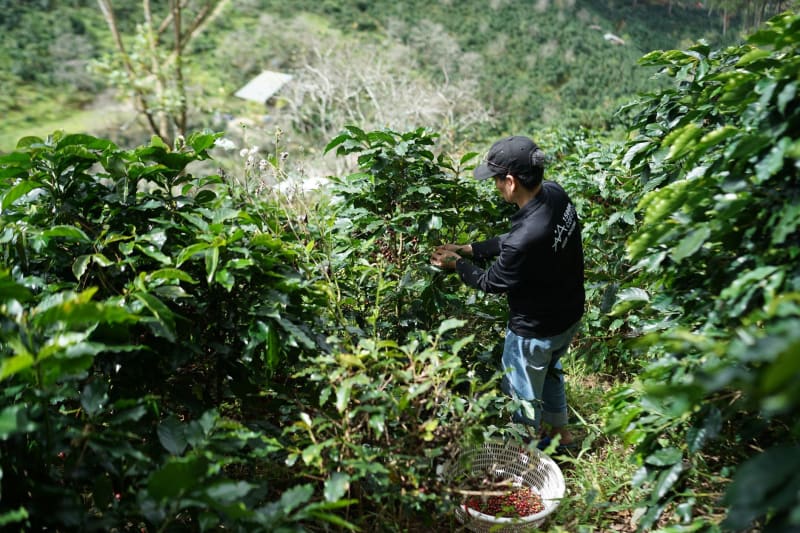 coffee-region-colombia
 Filandia
A hillside Quindío town that sits higher and quieter than Salento, with a mirador that lays the whole valley out like a map.
Explore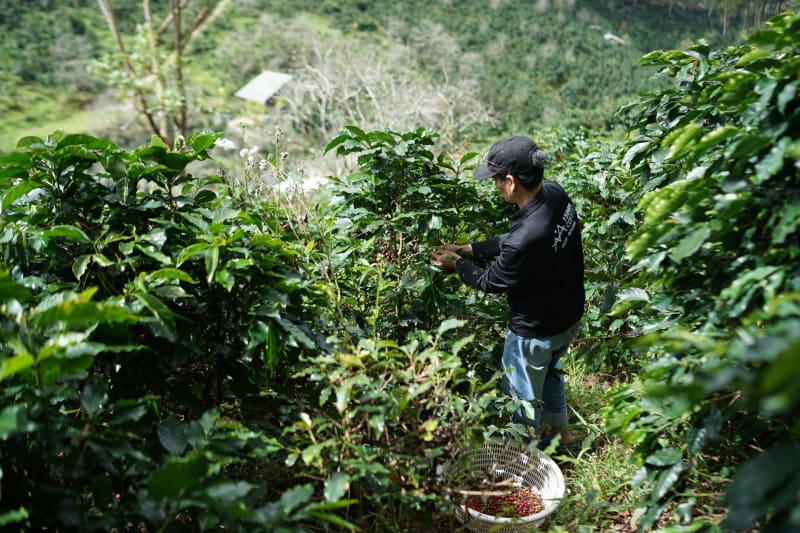 coffee-region-colombia
 Jardín
An Antioquian coffee town so well-preserved it looks like a film set — and so alive it clearly isn't one.
Explore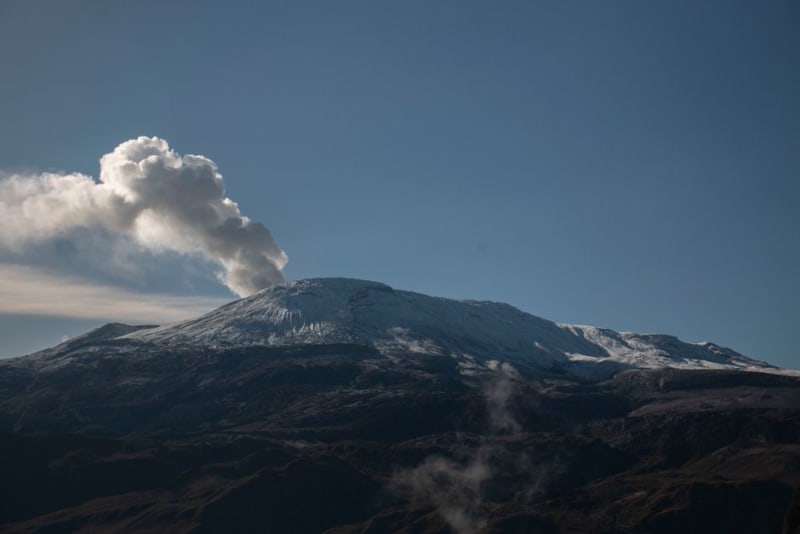 coffee-region-colombia
 Los Nevados National Natural Park
Volcanic peaks and eerie páramo highlands above the coffee farms, where Nevado del Ruiz still hums with quiet menace.
Explore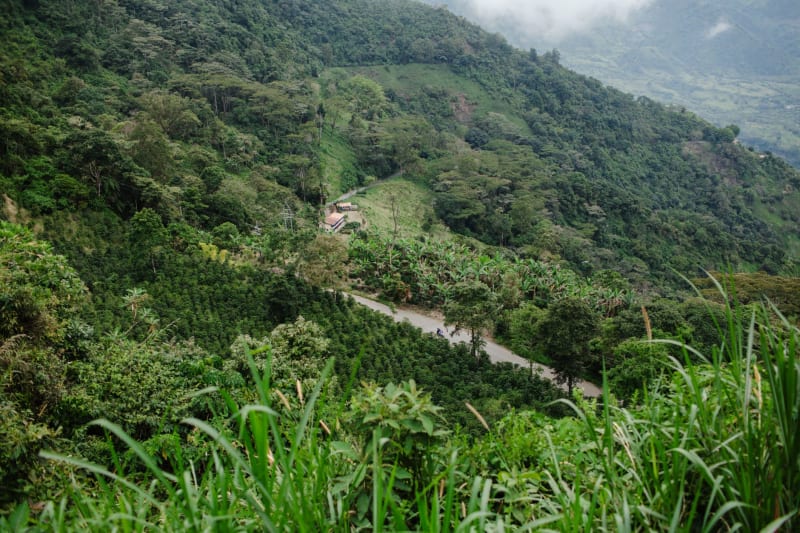 coffee-region-colombia
 Manizales
The Eje Cafetero's most vertical city — a university town draped over Andean ridges, with a cable car that crosses above the fog.
Explore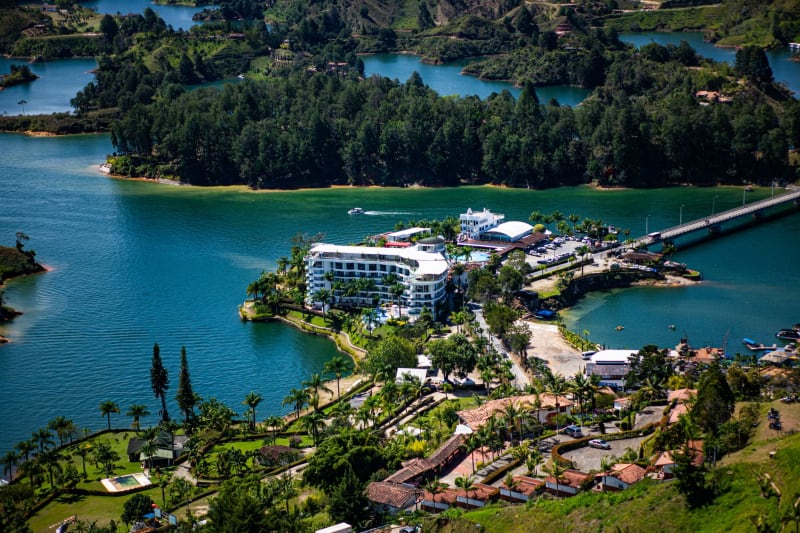 coffee-region-colombia
 Pereira
Risaralda's no-nonsense capital — a live music city where the salsa is serious, the street food runs late, and nobody is performing for visitors.
Explore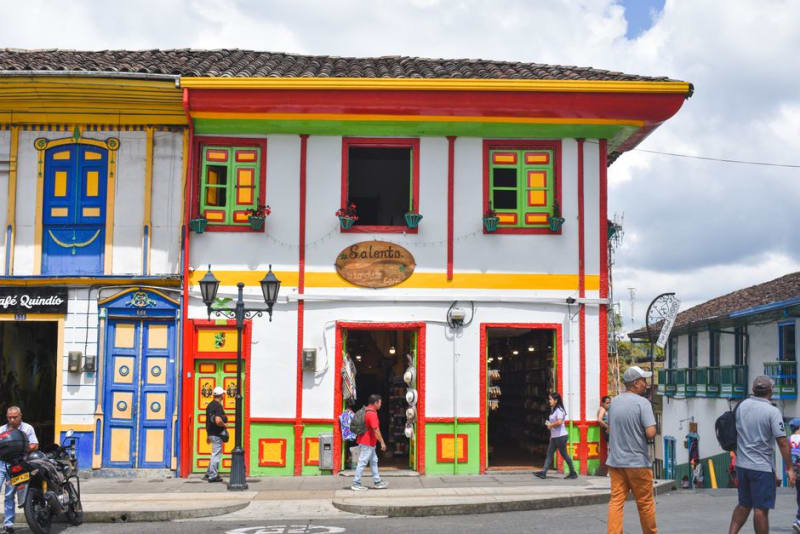 coffee-region-colombia
 Pijao
A pastel-painted coffee town in Quindío where Colombia's first Cittaslow certification made unhurried living into a way of life.
Explore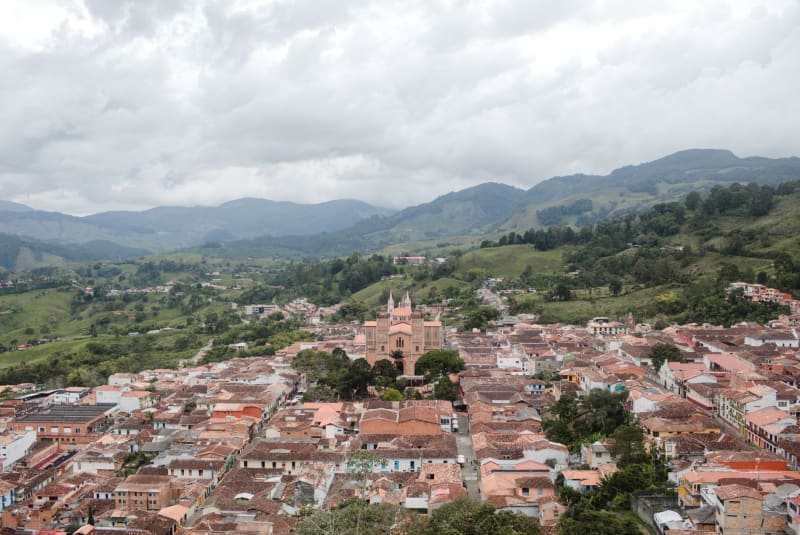 coffee-region-colombia
 Salamina
A hushed heritage town of carved doorways and painted balconies high in Caldas, with its own quieter valley of giant wax palms and almost no tourists.
Explore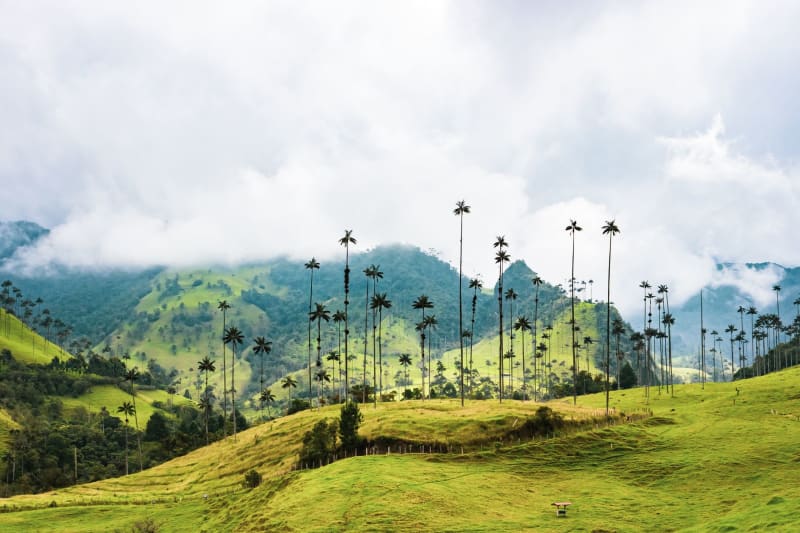 coffee-region-colombia
 Salento
The Eje Cafetero's most lovable town — painted balconies, trout from mountain rivers, and a main square that earns every photograph.
Explore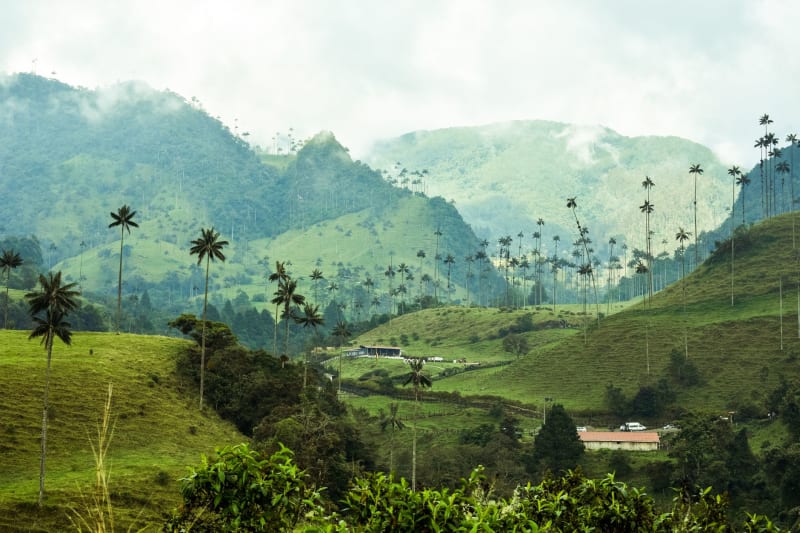 coffee-region-colombia
 Santa Rosa de Cabal
A Risaralda town famous for its thermal baths hidden in a canyon — concrete pools, waterfalls, and grilled corn vendors on a Tuesday morning.
Explore coffee-region-colombia
 Valle de Cocora
A cloud-forest valley where Colombia's national tree grows to sixty metres — and the mist decides whether you see any of them.
Explore