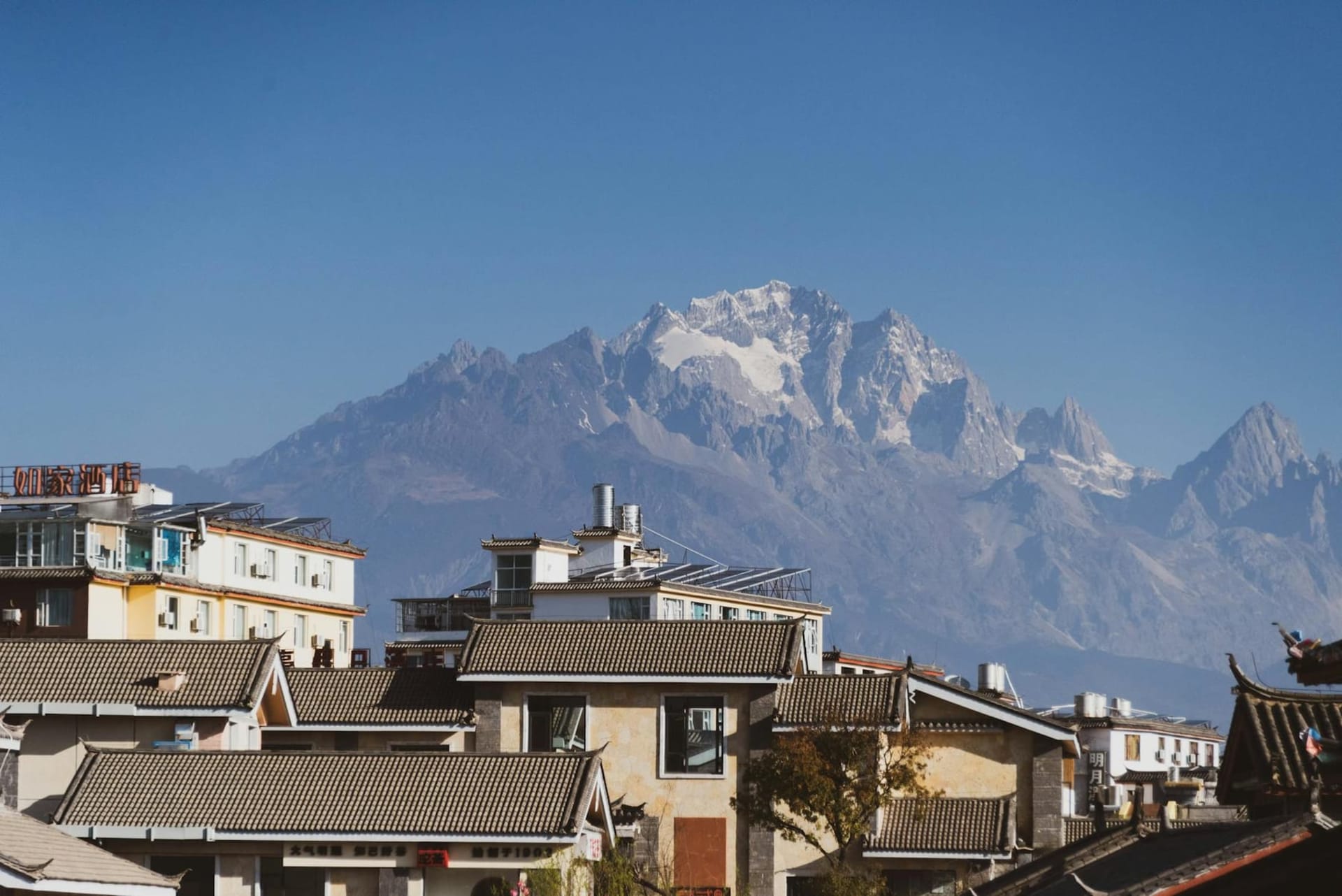
Lijiang Old Town
"Lijiang is where a minority people turned the necessity of water into the luxury of beauty."
Naxi cobblestone alleys, watermill canals, and the snowcapped Jade Dragon mountain looming above.
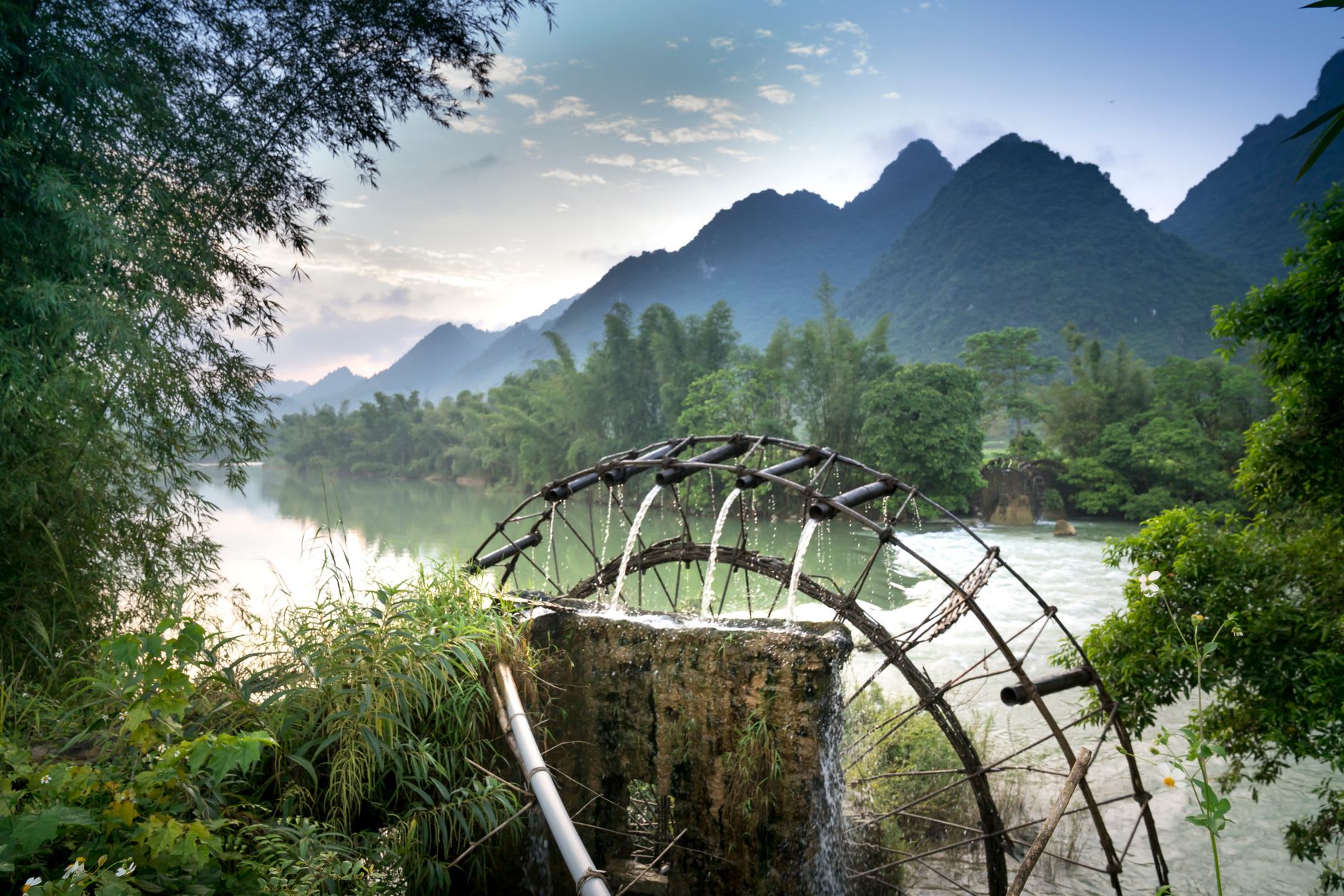
We arrived in Lijiang in the blue hour before the tourists woke up. The cobblestones on Xinyi Street were still wet from a predawn drizzle, and the watermills at the edge of the canal turned with a hollow, unhurried knock — the only sound besides our footsteps and the occasional creak of a shop shutter being raised. Lia grabbed my arm and pointed upward, and there it was: Jade Dragon Snow Mountain, its glaciated ridgeline suspended above the rooftops like something painted on silk rather than carved from rock.
Water as Architecture
The Naxi people who built this town in the Song Dynasty understood something the rest of the world had to rediscover: water is not infrastructure, it is design. Three parallel canals run through the old town’s grid, their sources drawn from Black Dragon Pool at the northern edge. By the time the water reaches Sifang Street — the main market square where merchants once traded musk, tea, and silver — it has been split, redirected, and coaxed through stone channels so precisely that every courtyard seems to have its own private stream.
I spent an hour one morning just watching the water move through the intersection below the Old Market Square bridge. There was a woman washing greens in a side channel. Two old men played cards on a wooden bench behind her. A white horse stood tied to a post as if it had simply forgotten to leave.
What the Guidebooks Miss
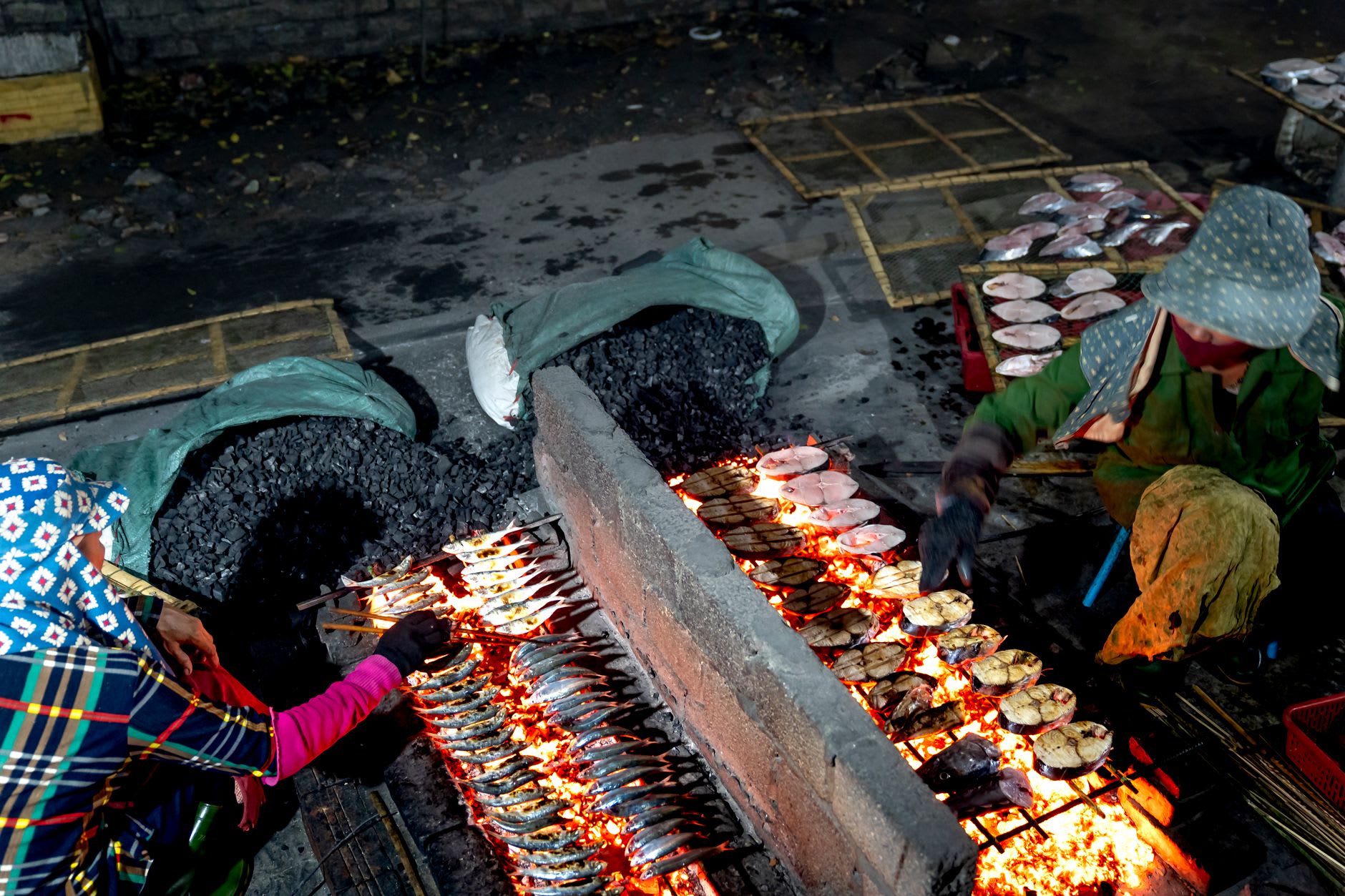
The surprise, for me, was the food. I had expected Yunnan’s famous crossing-the-bridge noodles and mushroom hotpot, and I found both — the best bowl of mixian rice noodles I’ve ever eaten came from a doorway stall on Mishi Lane, a woman ladling broth from a clay pot that never seemed to leave the flame. But what I hadn’t expected was the Naxi baba, a flatbread pressed with local herbs and cured pork fat, eaten standing at a charcoal grill as the smell of woodsmoke mixed with the cold mountain air coming down from the 5,596-meter peak above us. It cost eight yuan. I went back three mornings in a row.
Staying Ahead of the Crowds
By ten in the morning Sifang Street fills with tour groups and the old town becomes something closer to a theme park than a living neighborhood. The trick is to stay in the quieter Baisha or Shuhe satellite villages, walk into the old town before breakfast, and retreat again by midmorning. The light on the wooden facades is best in those early hours anyway — amber and directional, catching the carved lattice windows the Naxi are famous for.
At night the lanterns come on and the bars begin their noise, but if you walk twenty minutes north toward Black Dragon Pool the reflections of Jade Dragon Snow Mountain in the still water will remind you why people have been finding excuses to stay here for eight hundred years.
When to go: March through May offers mild temperatures and clear skies with the mountain snowpack still bright. Avoid the July–August rainy season and the crowded Golden Week holidays in October.