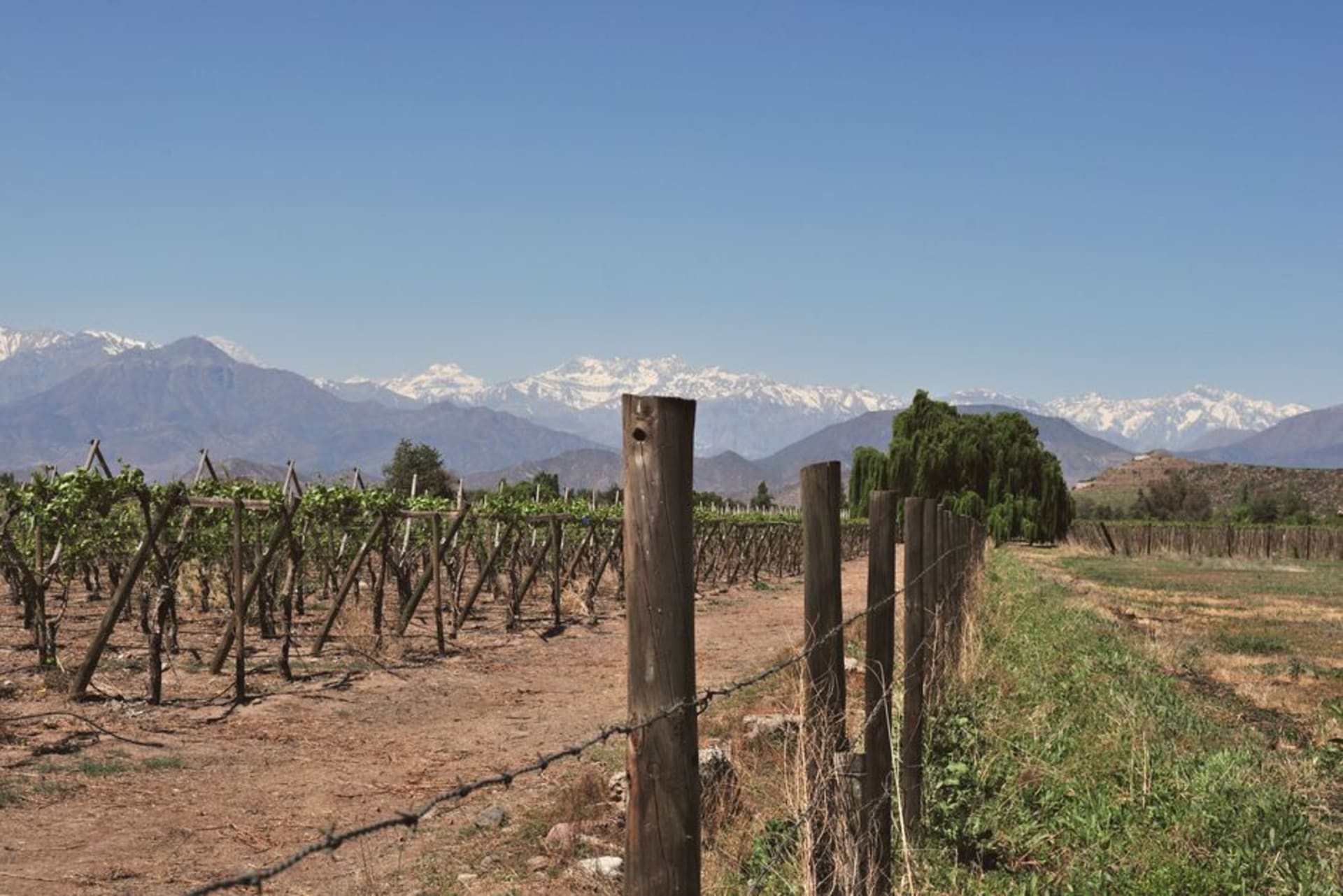
A sun-baked valley south of Santiago where old vines, horse-drawn wagons, and a shipwreck museum share the same dusty roads.
Lia and I drove down from Santiago on a Friday afternoon, and by the time we hit the turnoff for Santa Cruz, the highway had emptied out into something quieter — low hills combed with vines, the occasional horse standing dead still in the heat. I’d read that Colchagua was Chile’s answer for Carmenère, but I hadn’t expected the valley itself to feel so private, so unhurried, barely 180 kilometers from a capital of seven million people. We checked into a small guesthouse with a view of nothing but rows and mountains, and I remember thinking that this was the first place in Chile where I’d actually stopped checking my phone.
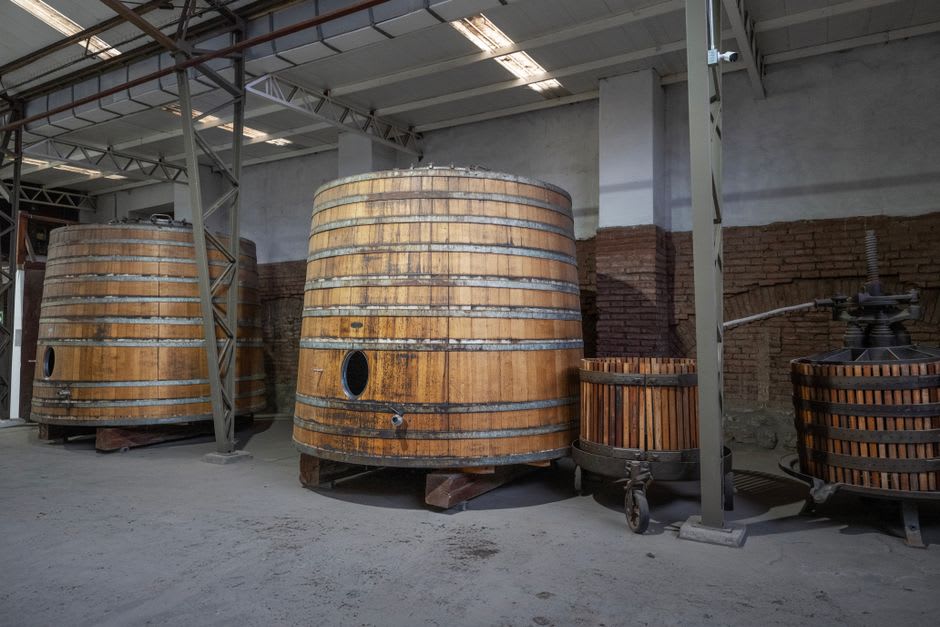
The next morning we went to Viña Montes, where a guide walked us through barrels aging in a cellar built into the hillside, and I finally understood what people meant when they talked about Carmenère’s story — a grape that vanished from Bordeaux after phylloxera, presumed extinct for over a century, until a French ampelologist stood in a Chilean vineyard in 1994 and realized the “Merlot” everyone had been drinking for decades was something else entirely. Lia, who studied biology before she ever picked up a camera, made me repeat that fact three times. We tasted a 2019 straight from the barrel, still sharp and unfinished, and it was nothing like the bottle we’d share that night on the terrace.
In the afternoon we drove into Santa Cruz for the Museo de Colchagua, and it threw me off balance in the best way — I’d expected a small local collection, and instead spent two hours moving from Mapuche pottery to conquistador armor to a room devoted to the wreck of a 19th-century steamship, gold coins and all. It’s one of the largest private museums in the country, built by a mining magnate who apparently never stopped collecting, and it made the wine country feel suddenly layered — like the valley had been quietly accumulating history long before anyone planted a vine here for export.
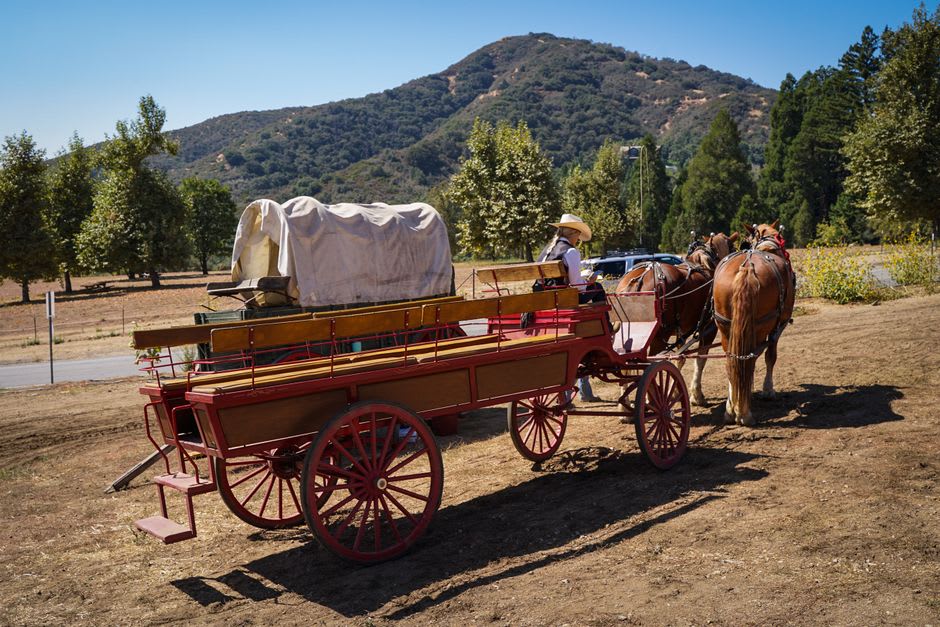
We ended the trip at Casa Silva, riding out through the vineyard in a horse-drawn wagon while the estate’s fourth-generation owner talked about the Mediterranean summers and the cold nights that give these reds their structure — hot enough by day to ripen the fruit fully, cool enough after dark to keep the acidity honest. Lia photographed the light through the wagon wheels for twenty minutes straight. We bought two bottles we had no real way of getting home intact, and drank one of them that same evening anyway.
When to go: Time it for the grape harvest in March or April, when the Fiesta de la Vendimia takes over the valley’s wineries — we’d go back just for the smell of fermenting must in the air, if nothing else.