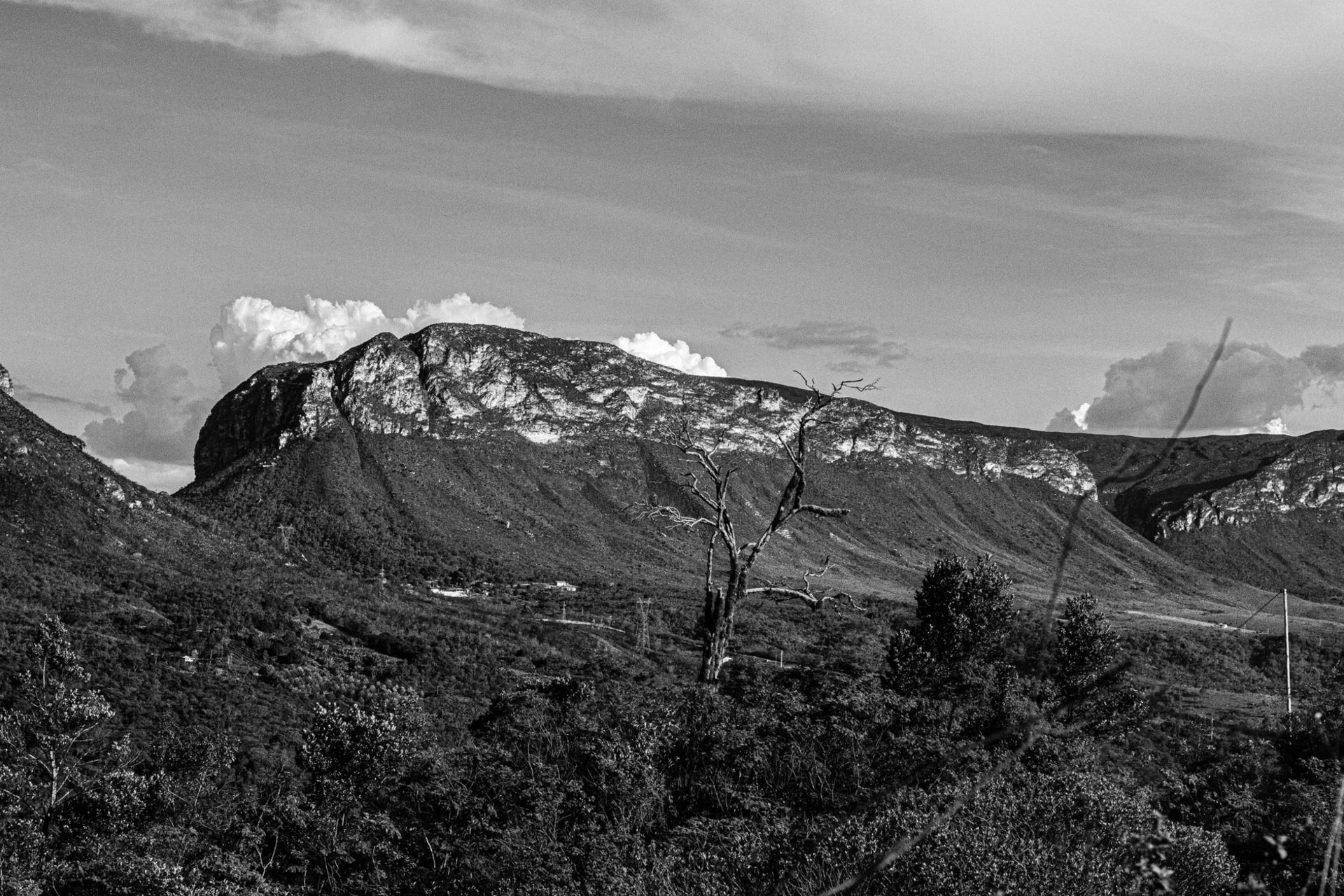
Cachoeira da Fumaça
"It doesn't fall so much as evaporate. The ground below is dry. The water never arrives."
The approach from Igatu takes four hours through cerrado scrub — low, gnarled vegetation that looks like it has been scorched and has decided to survive anyway. My guide, a man named Edilson who had done this walk several hundred times and still seemed to find it interesting, set a pace that felt leisurely but covered ground efficiently. We walked through the morning while the light was still white and cool, and the trail crested a ridge just as the day’s heat began to build. And then, across a shallow valley, I saw a thread of water leaving the edge of a cliff and simply disappearing into the air.
Cachoeira da Fumaça — Smoke Waterfall — is 340 metres tall, which makes it Brazil’s highest. But the height is not the thing that catches you; it’s the physics. The water launches off the sandstone lip of the Chapada plateau with real momentum, and then the updrafts from the valley below catch it, break it apart, and scatter it into mist before it reaches the ground. On most days there is nothing at the base — no pool, no splash, just a vagueness of moisture in the air and the sound of wind. You can look down from the top and watch the water you are standing next to dissolve into nothing somewhere beneath your feet.
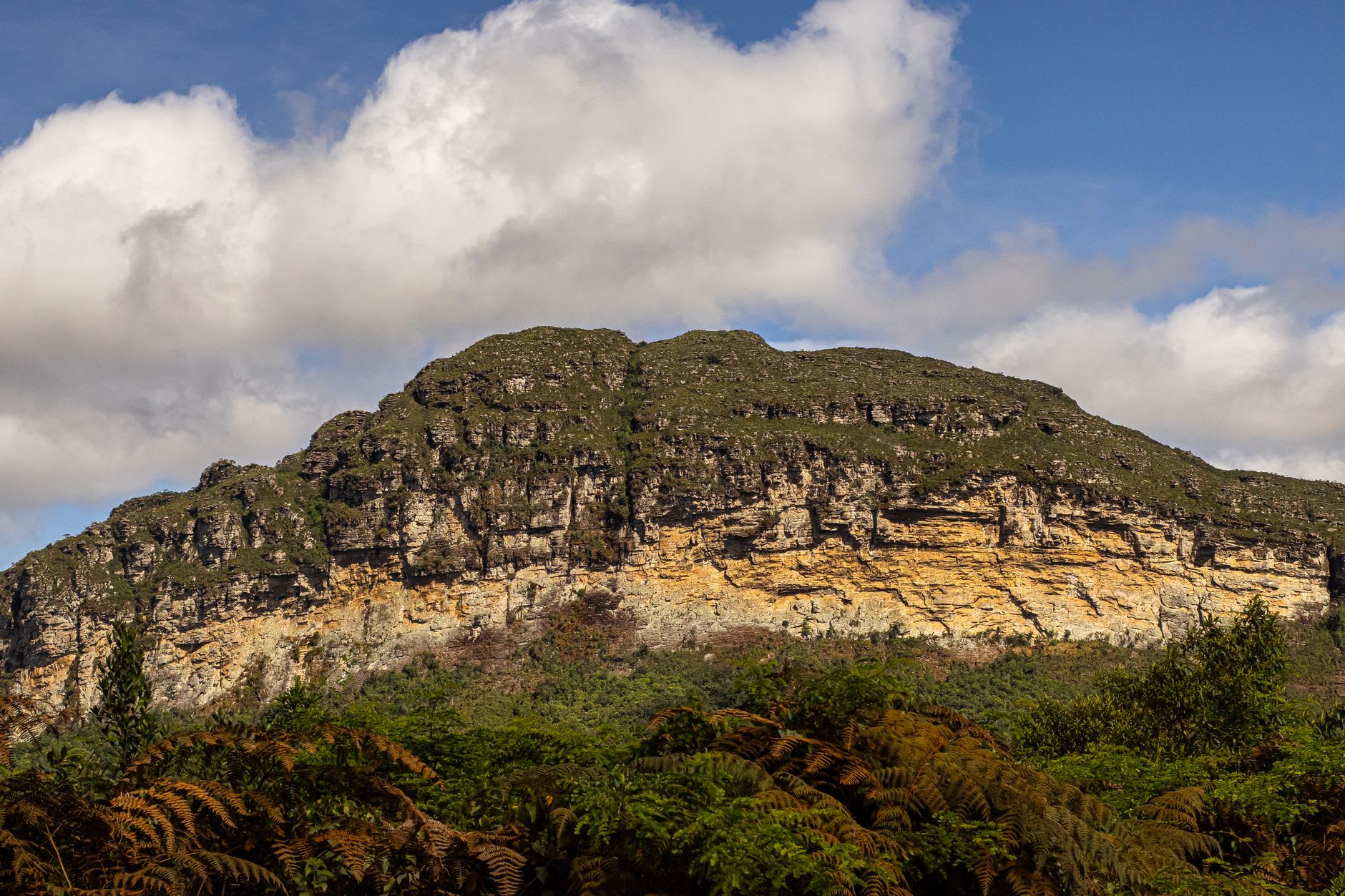
The top view and the bottom view are completely different experiences, and if you can manage both, do. The bottom approach, from the village of Caeté-Açu in Vale do Capão, is a two-hour walk to the base of the cliff, where you stand in a semi-permanent cloud of spray from water that has not technically arrived. The roar is enormous — you feel it in your sternum before you hear it properly. The top requires the longer trail from Igatu, but rewards with the sight of the plateau’s edge, the vertiginous drop, and the strange, meditative experience of watching water become weather.
We ate lunch at the rim — rice and dried beef that Edilson produced from a cloth bag, the food a little battered from the walk but welcome. The valley below was hazy with the waterfall’s exhalation. A pair of raptors circled at eye level, riding the same updrafts that were catching the water. I stayed longer than I meant to. There’s something almost philosophical about a waterfall that doesn’t land — about effort dissolving before completion — and I found myself thinking about it for days afterward without quite being able to say why.
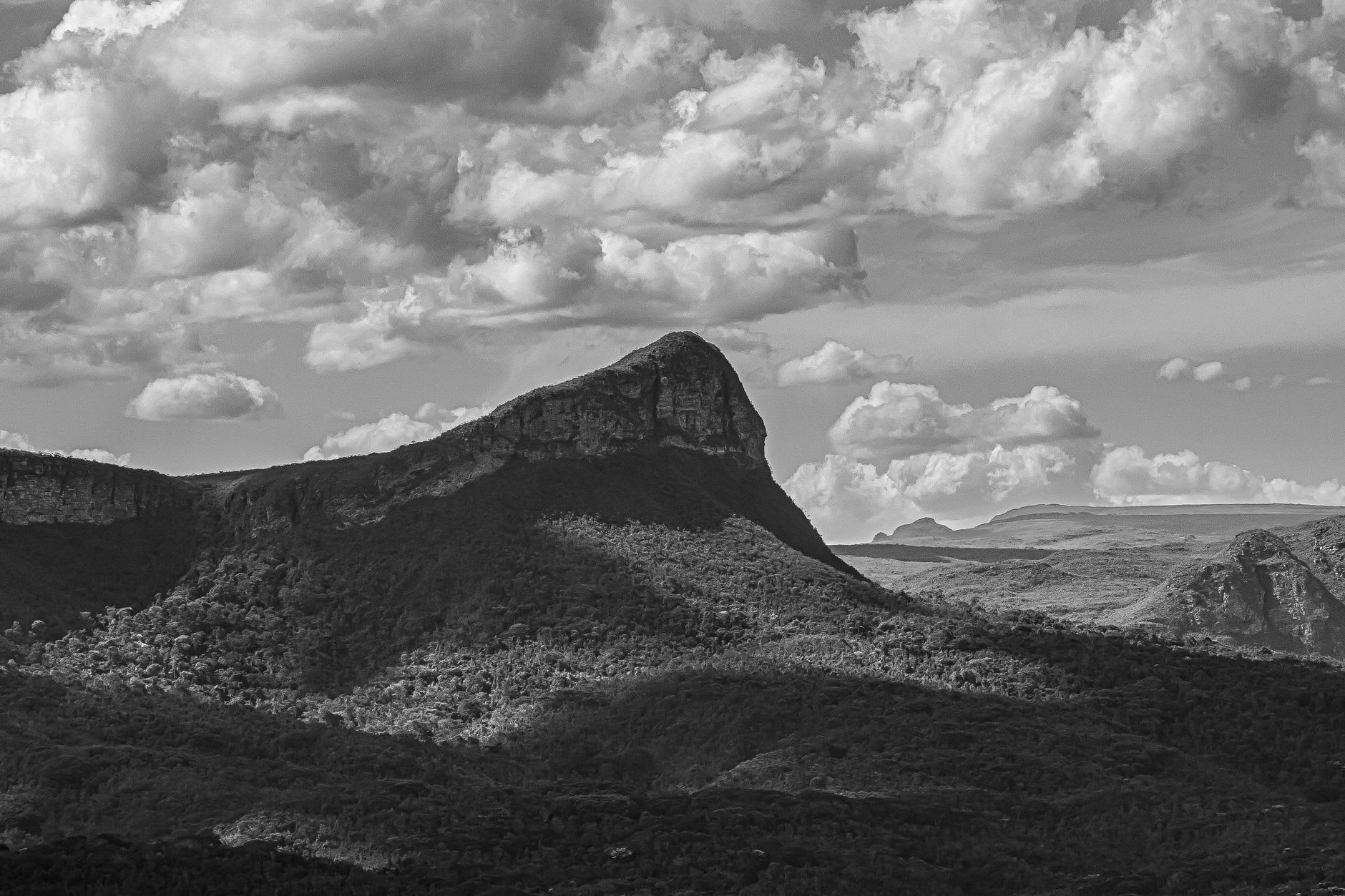
The return to Igatu is downhill and faster, but Edilson stopped twice to show me things I would have walked past: a cave mouth hidden behind a curtain of roots, a section of trail paved in flat stones by diamond-era workers who had used this route to carry supplies between towns. History here is always underfoot, layered into the rock and the trail like sediment.
When to go: The waterfall is most dramatic between July and September, when the wet season’s water is still flowing but trails are dry and manageable. In the wet season (November through March) the trail becomes treacherous mud and the mist effect is even more intense, but access is often closed. Go early in the morning to avoid both heat and the small tour groups that arrive from Lençóis from mid-morning onward.