La Hougue Bie
"Six thousand years, and someone still built a chapel on top just in case."
A 6,000-year-old passage tomb in Jersey where a shaft of equinox light still finds its way to the ancient chamber floor.
Lia found La Hougue Bie on a rainy Tuesday map search, half-joking that we should go stand inside “the oldest thing in the room.” I didn’t expect much beyond a grassy hill, honestly. What we got was a twenty-minute crouch through a stone passage barely wide enough for my shoulders, low granite slabs pressing in on both sides, until it opened into a small chamber that people were quietly filing into and out of like a confessional. Someone in front of us whispered that the whole thing predates the Egyptian pyramids by a good margin, and I remember doing the math in my head and getting stuck on it for the rest of the visit.
What stayed with me afterward wasn’t the chamber itself but the fact that it still works. Twice a year, near the equinox, the sunrise lines up with the passage and light travels the full length of it to touch the back wall — a piece of Neolithic engineering that nobody has had to fix or recalibrate in six millennia. We weren’t there on the right morning, but the guide walked us through it with a flashlight demonstration that gave me chills anyway, tracing the angle the real sun would take.
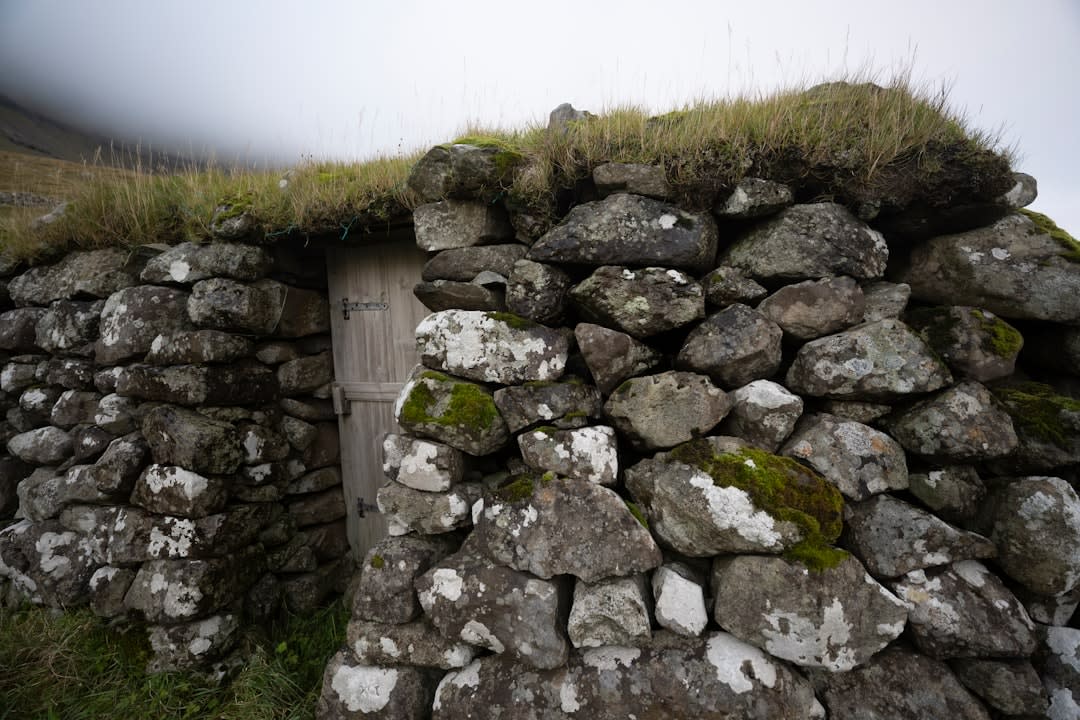
Climbing up onto the mound itself is its own kind of strange. There’s a medieval chapel up there, Notre Dame de la Clarté, built roughly a thousand years after the tomb was sealed, as if someone in the 12th century felt the site’s pull without knowing why and decided to consecrate it properly. A second chapel was added later, funded by a dean who claimed he’d made it to Jerusalem — Lia and I stood in the doorway trying to decide whether we believed him, which is exactly the kind of argument this place seems built to provoke.
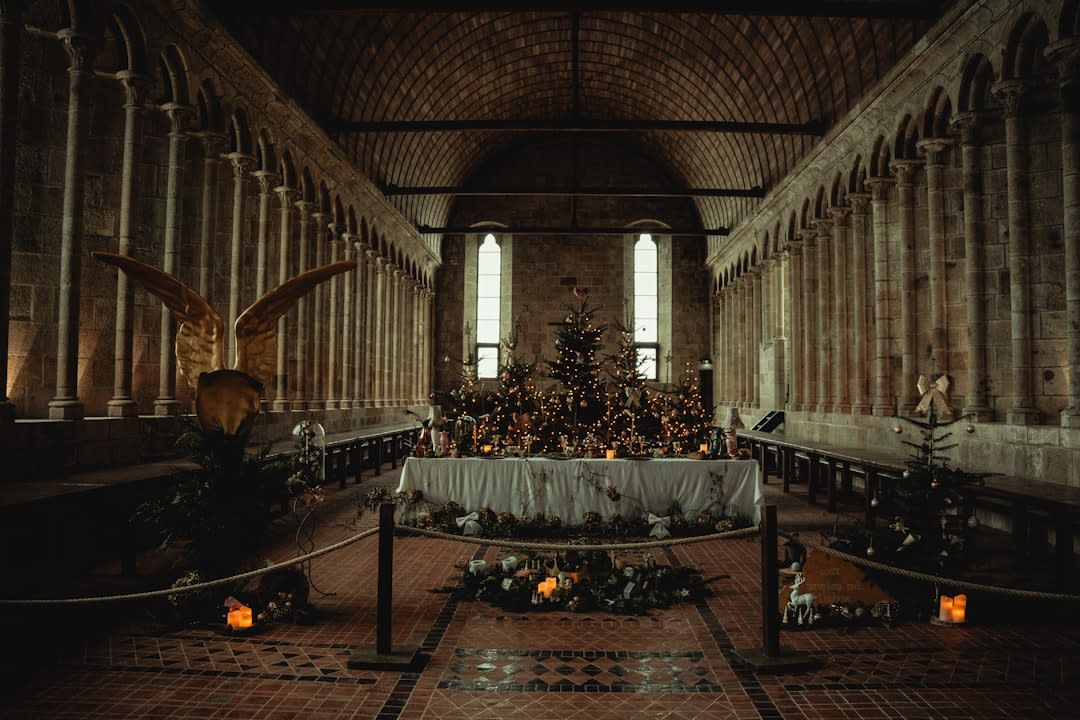
The last layer catches you off guard: a German command bunker, dug straight into the mound during the occupation, now part of the museum you walk through before you even reach the tomb. Neolithic farmers, medieval monks, occupying soldiers — all of them drawn to the same low hill on the same small island, each one leaving something behind without clearing out what came before. I don’t think I’ve stood anywhere else where five thousand years felt that compressed.
When to go: Time it around the spring or autumn equinox if you want a shot at seeing the sunlight travel down the passage — it’s worth checking with the site in advance, since it depends on clear skies. Otherwise, any visit between April and October gets you the full site open, chapels and bunker included.
Keep exploring
More from Channel Islands
 channel-islands
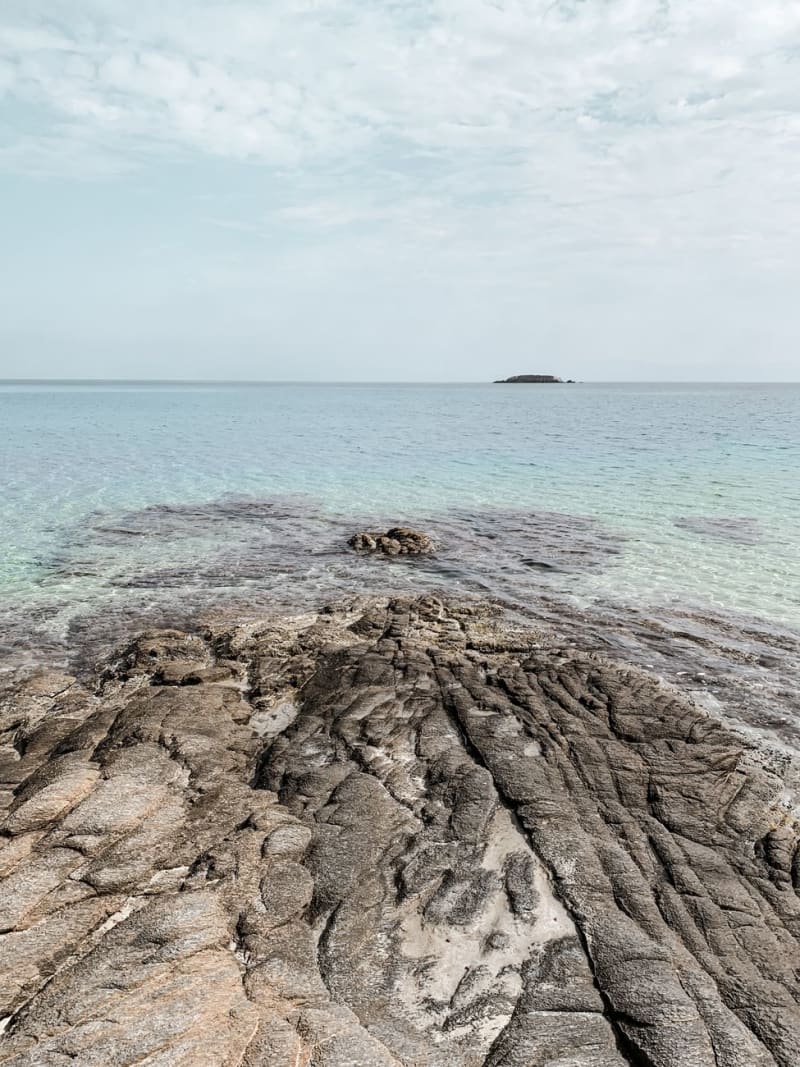
 Lihou
A tiny tidal island off Guernsey's wild west coast, reachable on foot across an ancient cobbled causeway only when the sea allows it.
Explore channel-islands
 Mont Orgueil
A medieval castle above a fishing harbour that refuses to be merely picturesque.
Explore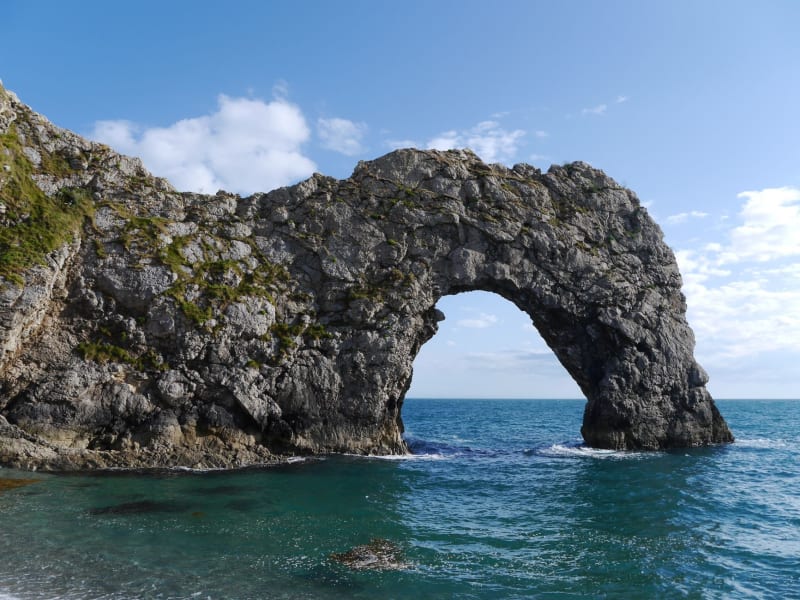 channel-islands
 Sark
A car-free feudal island where the night sky still belongs to the dark, and nine centuries feel genuinely close.
Explore channel-islands
 St. Brelade's Bay
Jersey's most sheltered beach — a perfect crescent of pale sand, a Norman chapel, and a calm that earns its reputation.
Explore channel-islands
 St. Helier
Jersey's capital wears its constitutional oddness lightly — part Norman port, part British high street, entirely itself.
Explore channel-islands
 St. Ouen's Bay
Five miles of Atlantic-facing sand where Jersey's western temperament runs entirely wild.
Explore