
La Corbière
"The causeway disappears under the tide, and the lighthouse just stands there, unimpressed."
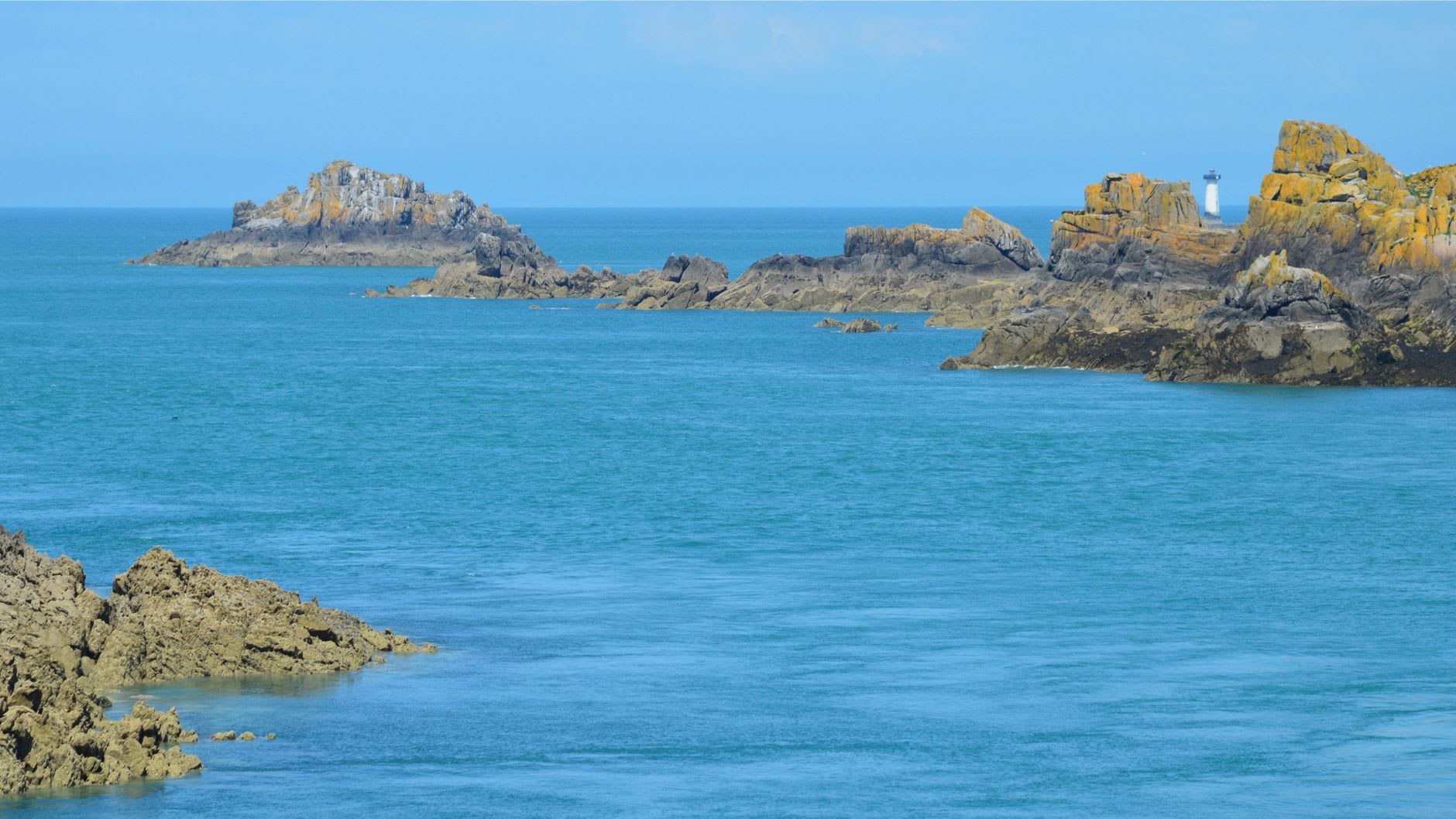
The southwestern tip of Jersey accumulates drama slowly and then all at once. The coast road from St. Brelade narrows as the land becomes more hostile — granite outcrops, low gorse, the sound of Atlantic swell on rock intensifying — and then the headland opens and La Corbière appears: a white lighthouse on a dark granite islet, connected to the mainland by a stepped causeway that the tide covers for several hours each day. On the afternoon I visited, a party of a dozen people were making their way across the causeway in a straggling line, the last two of them running, having miscalculated the time. The water was already swirling around the lowest steps. They made it. There is a warning bell at the lighthouse installed specifically for people who miscalculate. It apparently gets used.
The lighthouse, built in 1874 and the first concrete lighthouse in the British Isles, is functional rather than decorative — a working light structure that was automated in 1976 and is now unmanned. Its importance was always practical: the Corbière reef is one of the most dangerous on the Channel Island coast, a complex of submerged rock extending several miles that has claimed a significant number of ships since the medieval period. The memorial plaque on the landward side commemorates a lifeboat man who drowned here in 1946 saving passengers from a ship that had struck the rocks.
The WWII German bunker complex on the headland above the causeway is one of the most visible occupation installations in Jersey. The concrete emplacements are embedded in the clifftop, overlooking the approaches from the sea, and several have been left open for inspection. Inside, the original equipment brackets and cable channels remain, the concrete walls painted in a military green-grey that the salt air has been working on for eighty years. The bunkers have a functional ugliness that is oddly compelling — they were not built to be interesting, but the combination of the view from their embrasures and the knowledge of what they were for makes them difficult to leave quickly.
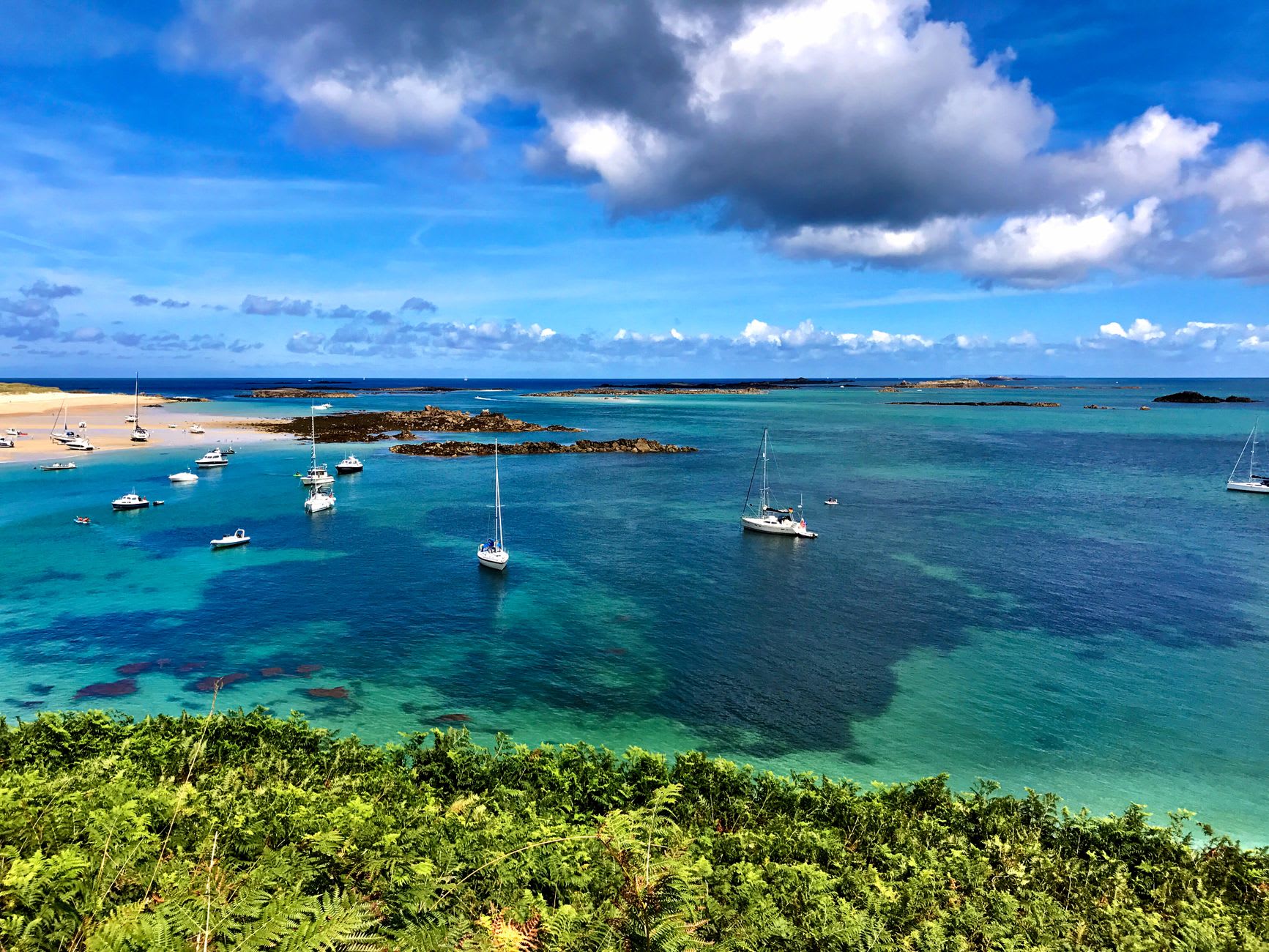
The sunsets from the headland are the reason people drive out here from St. Helier in the evening. Jersey’s western aspect means the headland faces directly into whatever the sun is doing with the horizon, and on clear evenings from May through September the sky goes through a sequence of orange, pink, and red conducted with no apparent restraint. The lighthouse turns on at dusk, its beam beginning its rotation over the reddening water, and the combination is effective enough that the car park fills up two hours before sunset on good-weather evenings.
When to go: Year-round, but the sunsets from April through September are the particular draw. Check the tide tables before crossing the causeway — the timing window for a dry crossing is approximately two and a half hours either side of low tide, and the warning bell is the last thing you want to hear.