Santa Cruz
"I went to the museum to kill an hour. I stayed three, and left needing a glass of wine to recover from learning about wine."
Santa Cruz arrived at me at noon, which is when Colchagua light turns mercenary. It doesn’t warm you — it interrogates you, pouring flat and white over the plaza tiles and forcing squints from everyone crossing between the church and the ice cream shop. I’d come by bus from San Fernando, forty-five minutes south, with a single duffel bag and a recommendation from someone in a hostel in Santiago who’d said “the museum alone is worth the trip.” She was right, though it took me two hours of wandering around the plaza’s cafés before I worked up the confidence to believe her.
The Museo de Colchagua occupies an entire block near the plaza and is one of those institutions that shouldn’t exist in a town this small but does, emphatically and without apology. The founder was Carlos Cardoen — a complicated figure in Chilean history, a weapons manufacturer turned collector — and whatever you make of the man, his taste was extraordinary. Pre-Columbian ceramics, colonial furniture, slave-era artifacts, a full-scale ox cart, a room dedicated to the independence movements of South America, another to the Pacific War, another to the rescue of the 33 miners trapped at the Copiapó mine in 2010. That last room arrived with the shock of recent memory — the actual capsule that brought them up sat in the middle of the room, dented and orange, the size of a coffin. I stood there for a long time.
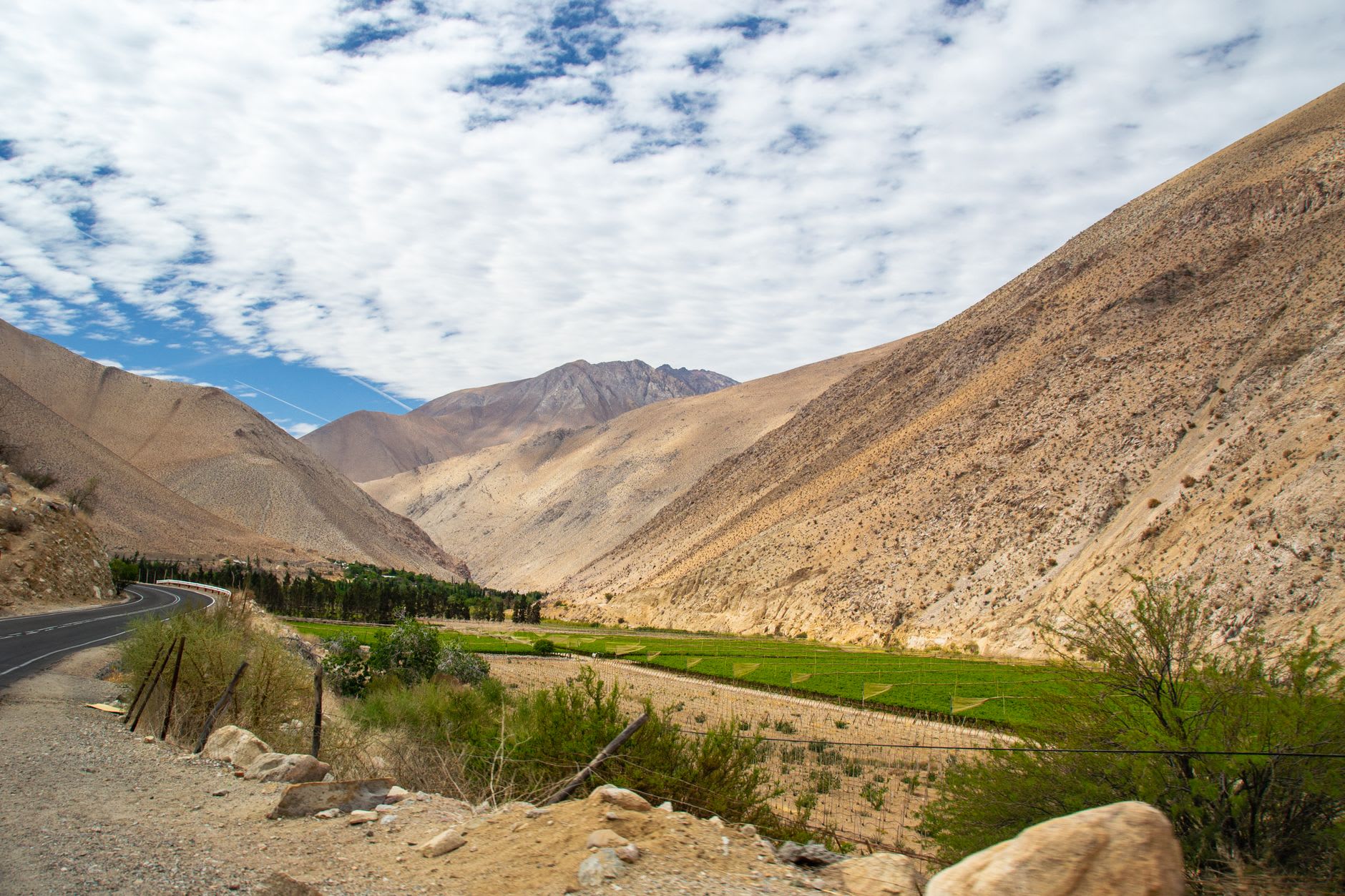
The wine, though, is why most people come and why most people stay longer than planned. The Colchagua Valley surrounds Santa Cruz on three sides, and the wineries spread out across the hills like a loose geography lesson in what soil and altitude and Pacific fog can do to a grape. I rented a bicycle from the hostel on Calle Rafael Casanova and rode east toward the hills in the early morning, before the heat locked in, passing through vineyards where the Carménère was just starting to show its red. At the Viña Montes tasting room — architecturally excessive in a way that is either magnificent or absurd depending on your mood — I tasted a single glass of Purple Angel that cost more than my lunch. It was worth it. The tannins had that particular quality of something that has been left alone to become itself.
Santa Cruz’s restaurant scene sits solidly in the category of places that assume you’ve been drinking all day and need feeding accordingly. The parilladas are heavy with beef and lamb, the cazuelas arrive in clay pots, and the bread comes with pebre so good I asked for it twice before my food arrived. At the mercado, a few blocks from the plaza, stalls sell merkén-rubbed sausages and bottles of pisco and jars of the valley’s olive oil. I bought a jar of the oil and carried it all the way back to Mexico, leaking slightly in my bag, because I couldn’t bring myself to leave it behind.
When to go: March and April are harvest months — the valley smells of fermenting fruit and the wineries are in full operational intensity. For cooler riding and greener vines, October and November are ideal. The annual Fiesta de la Vendimia (harvest festival) in March draws crowds from Santiago, which means good energy and slightly harder reservations.