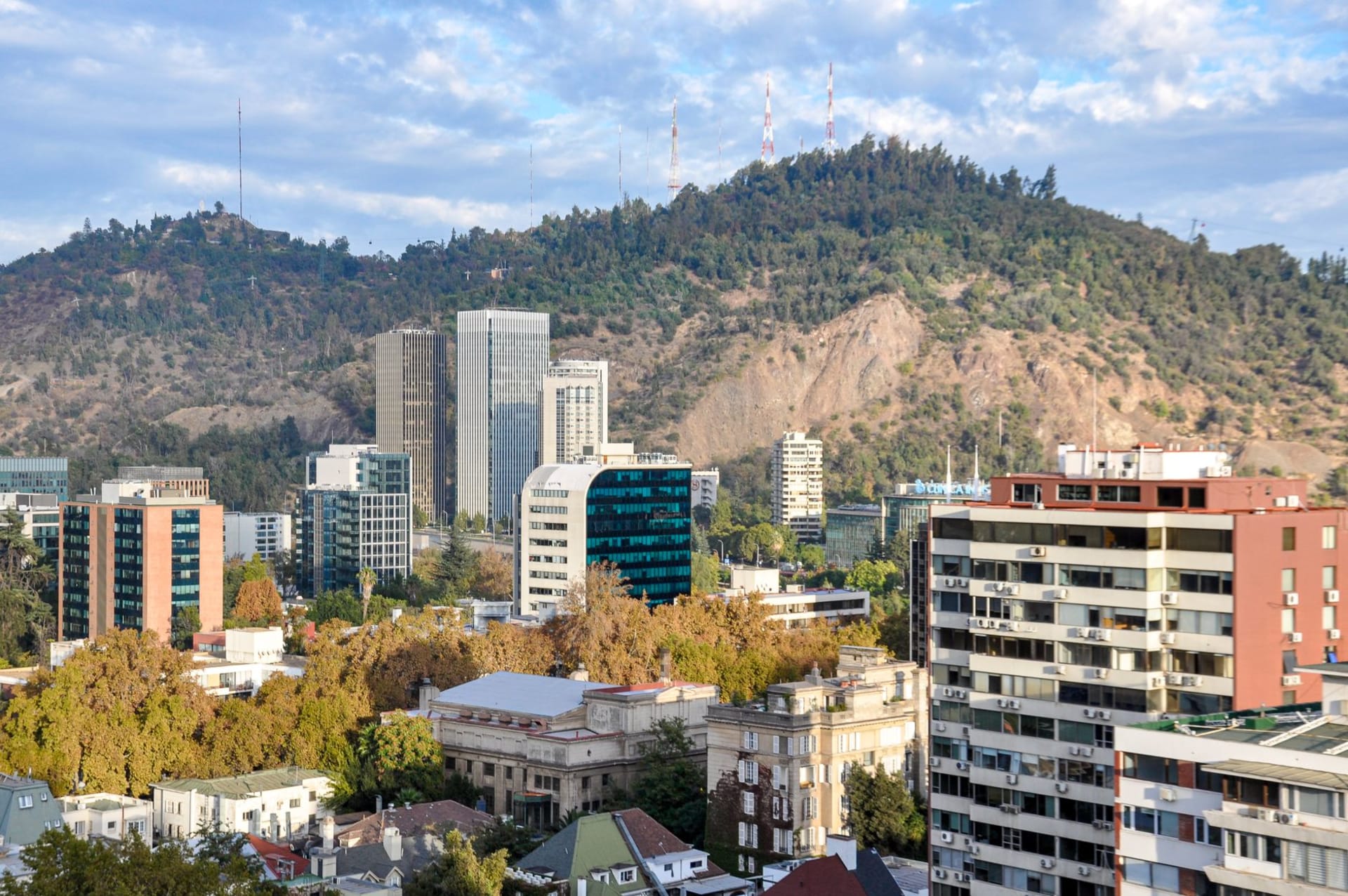
San Fernando
"San Fernando feeds the valley. The valley, in return, feeds you better than you expected."
San Fernando has a function before it has a character: it is the service capital of Colchagua, the place where the valley’s farmers come to buy parts and sell produce and get things done on a Tuesday morning. The bus terminal is busy with agricultural workers and school students and the occasional tourist who missed the turn for Santa Cruz. The market that sets up along the covered arcade near the plaza on weekends is the kind of operation that doesn’t care about appearance — no hand-lettered chalkboard signs, no organic certification stickers, just crates of peaches and nectarines and flat-bottomed tomatoes piled with the confidence of something that grew correctly.
I arrived in San Fernando on a Saturday in February, before the summer heat settled in, when the stone fruit was at its peak — the Colchagua floor produces peaches, nectarines, and plums of alarming quality, the kind of fruit that tastes of actual sunshine rather than cold storage. I bought a kilo of peaches from a woman who let me try three different varieties before deciding, which is the kind of transaction that makes you understand why produce markets evolved. The peach I eventually chose — a flat, disc-shaped variety called aplanada, pale gold with a red blush — had flesh that collapsed at pressure and tasted of something I couldn’t immediately name and then identified as the valley itself: warm, dry, slightly mineral.
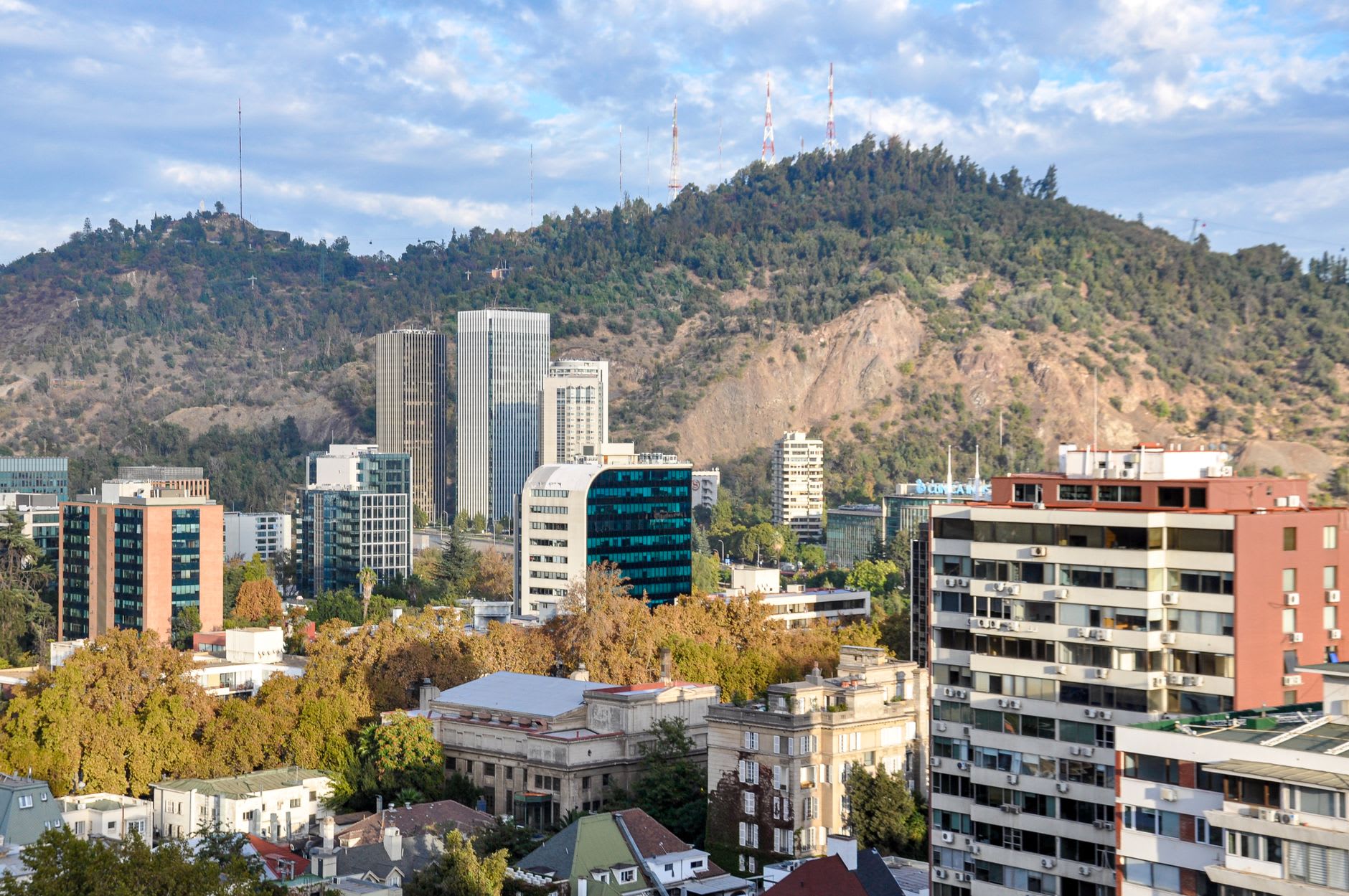
The city center holds a cathedral facing a plaza where the trees are enormous and the benches are occupied by people who have somewhere better to be but aren’t in any rush to get there. A huaso in traditional dress walked past me with a horse on a loose lead, the horse indifferent to traffic, both of them comfortable in the midday heat in a way that I was not. The cathedral has a carved wooden altar that draws visitors from Rancagua and the surrounding municipalities, and the side chapel dedicated to La Merced had fresh flowers in four vases, changed that morning, as though someone had been expecting guests.
Outside the cathedral on Saturdays, a woman has been selling sopaipillas from the same cart for twenty years, according to everyone I asked. The sopaipillas are fried flat and golden, not sweet, served with pebre and a option of chancaca — the brown sugar syrup that transforms them from a snack into a dessert. I had them both ways, one after the other, standing at the cart with a plastic cup of instant coffee that was better than it had any right to be.
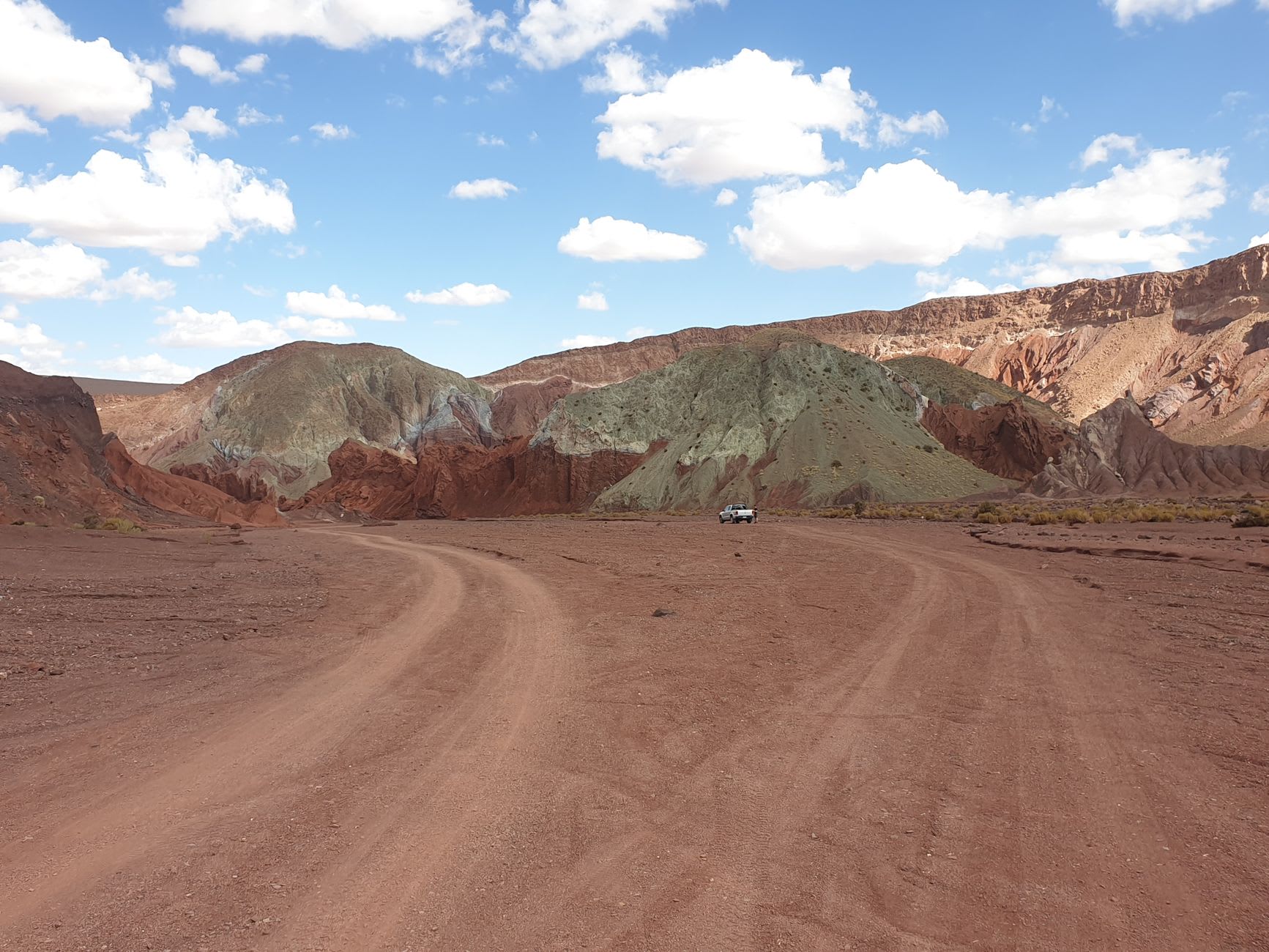
The road east from San Fernando climbs into the Andes toward the Paso Las Leñas and the small ski resort of Las Araucarias, but in summer it functions as a scenic drive through increasingly dramatic mountain terrain. The river valley narrows, the walls rise, and the vineyards give way to native coigüe and roble forest. I drove it in a rented car on a Thursday with no particular destination, turned around at a viewpoint above the river gorge where the scale became personal, and drove back to San Fernando for a late lunch of reineta fish and rice that cost me eleven hundred pesos and arrived with a smile and no further questions.
When to go: February for stone-fruit season, when the market reaches its peak abundance and the valley’s agricultural character is most vivid. March and April for wine harvest. San Fernando serves year-round as the most practical base for exploring Colchagua — it has more accommodation than Santa Cruz and prices to match its functional character.