Rancagua
"Rancagua is not a city you visit to see Rancagua. It's a city you visit to see Chileans being Chilean."
Rancagua is not on anyone’s list. It doesn’t have a compelling hook in the way that Santa Cruz has its wine museum or Pichilemu has its surf — it is simply the capital of the O’Higgins region, the largest city in the Central Valley after Santiago, and a place that goes about its business without any particular interest in your arrival. I ended up there twice: once passing through on the way south, and a second time deliberately, because something about the first visit bothered me in a productive way, like a sentence I hadn’t finished reading.
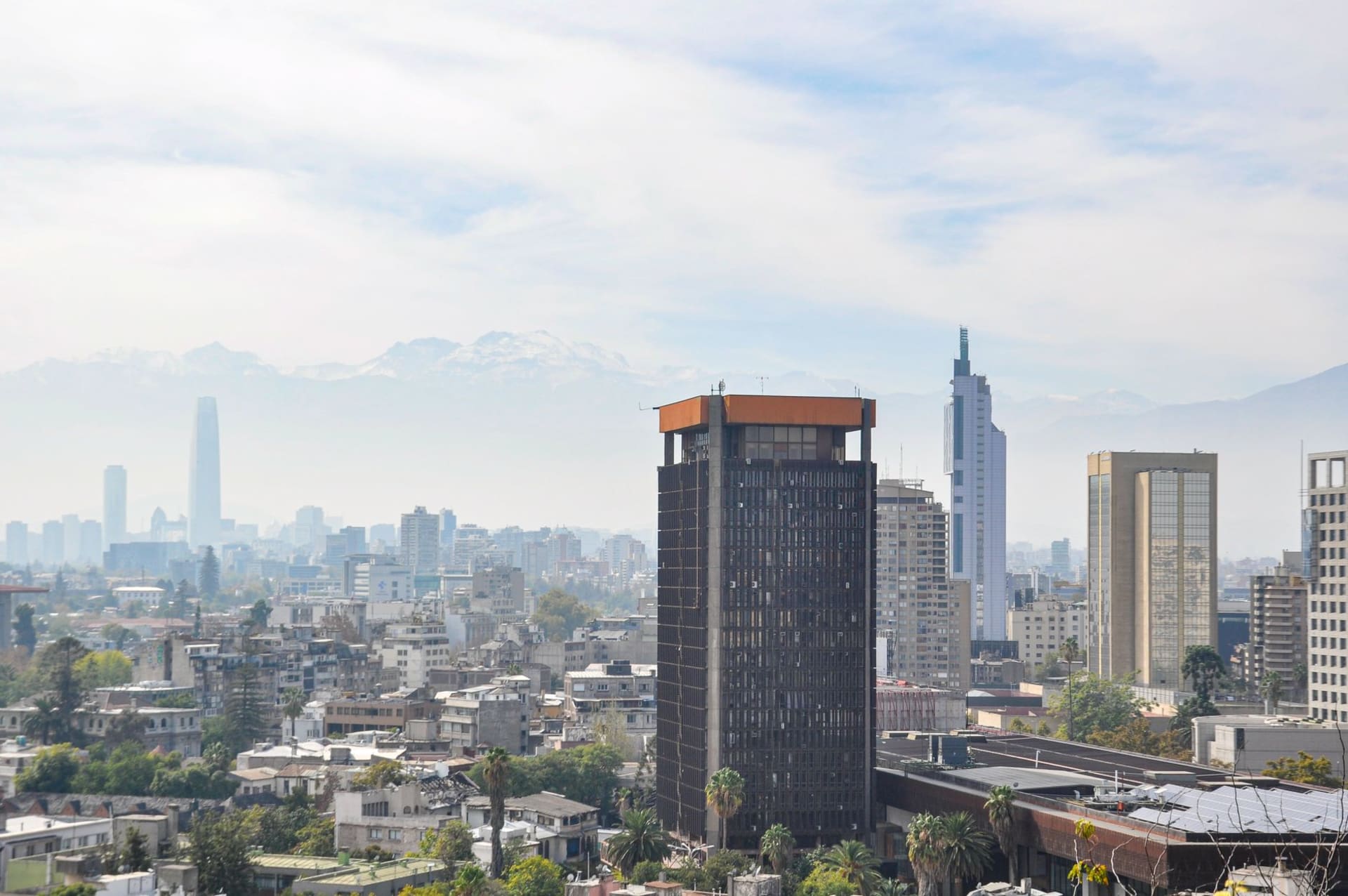
The city sits in the flat of the valley floor, eighty kilometers south of Santiago, and its center is built around a plaza that has the proportions and seriousness of a place that knows it is a regional capital. The cathedral is Spanish colonial and very good. The Iglesia de La Merced, where the independence hero Bernardo O’Higgins made his last stand in 1814 during the Reconquista, sits one block off the main square and is crumbling beautifully, scaffolded on two sides. I stood inside for ten minutes and a guide who wasn’t employed there began explaining the battle to me anyway, unprompted, because she’d been coming to light candles there for thirty years and couldn’t help herself. I didn’t mind at all.
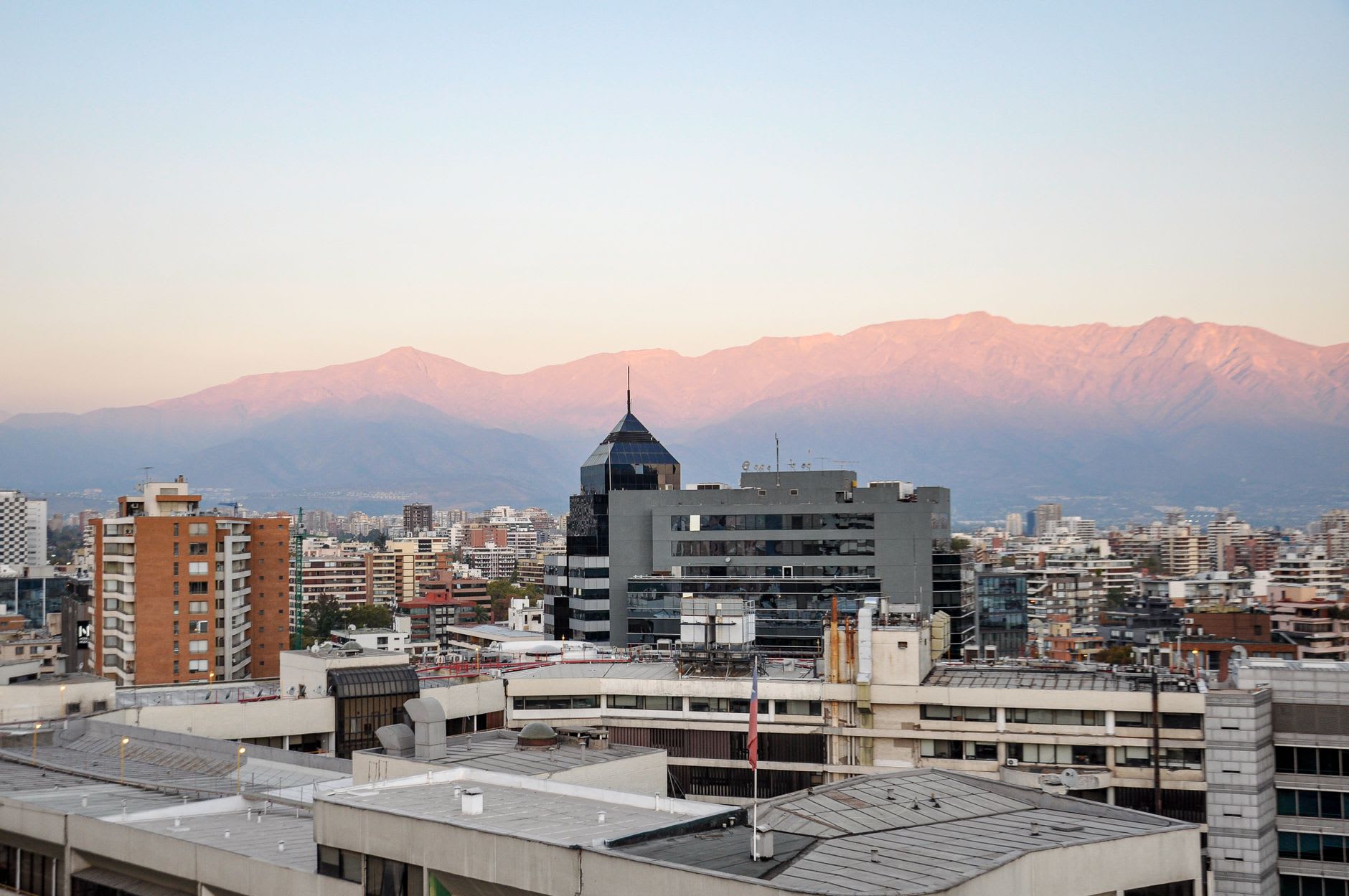
The mercado municipal is where Rancagua reveals itself. Not the tourist-facing section, but the deep interior where the butchers have been operating since before the city had its current name. The cuts of beef were things I didn’t recognize — long muscles from the Chilean huaso tradition of working cattle, labeled in terms that assumed you already knew what you were doing. The women running the fried fish stands at the back cooked in large flat pans, the oil not quite hot enough, producing something soft and rich that I ate standing up with a wooden fork. There was a chichería at the market’s north edge where old men were drinking the young wine at ten in the morning, which I noted without judgment because the wine was from a plastic jug and looked exactly right for the hour.
Rancagua’s rodeo arena, the Medialuna, is one of the most famous in Chile — the huaso tradition of horseback cattle herding evolved here into a competitive sport where pairs of riders work together to control a steer around a semicircular track. During the championship weekends in March and April the city fills with horses and riders in their huaso gear — flat-brimmed hats, short-cut jackets, spurred boots — and the atmosphere outside the arena is a festival of grilled meat and chicha and competitive pride that has nothing to do with tourism and everything to do with a culture’s insistence on remembering what it came from.
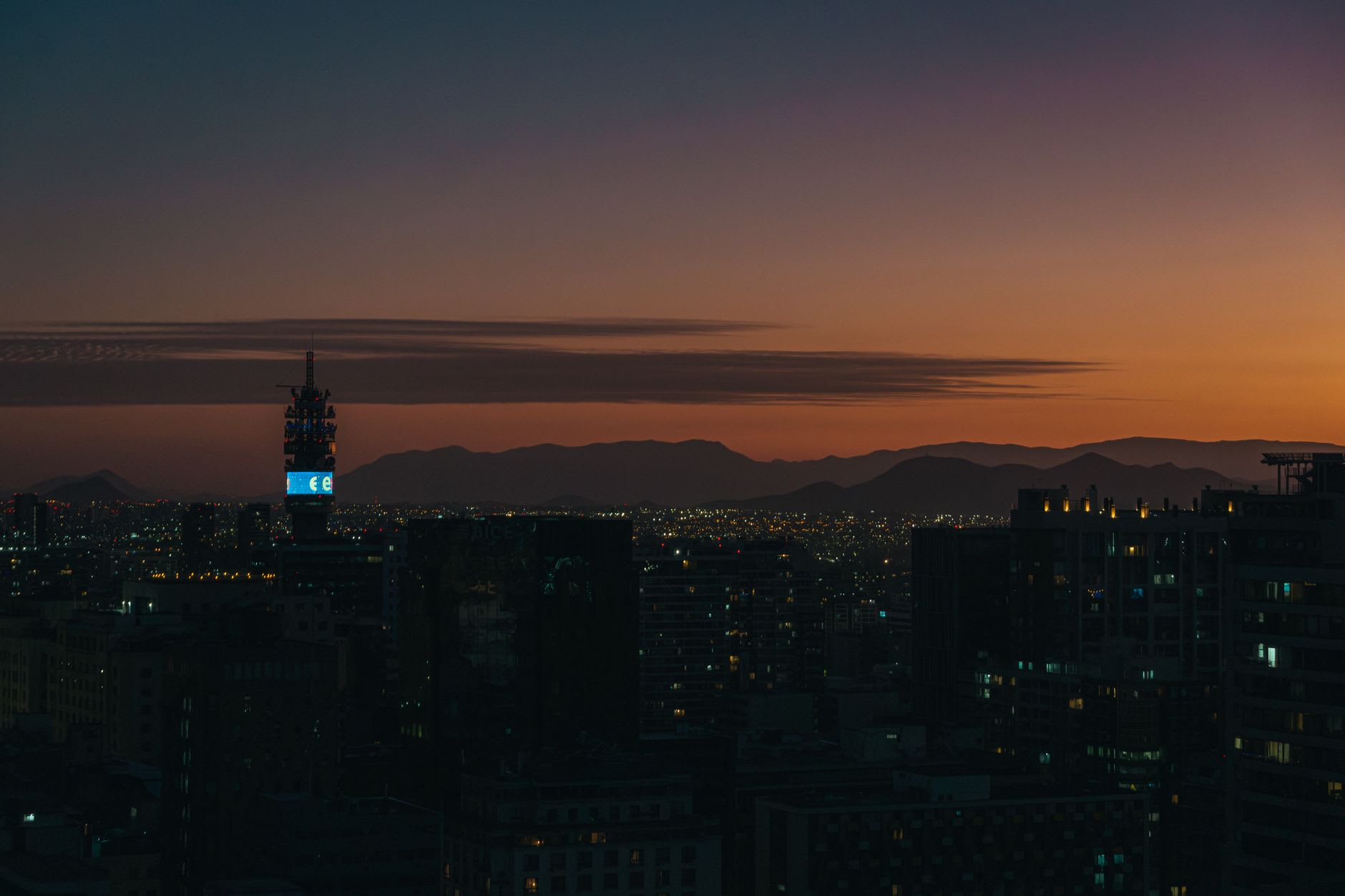
I ate dinner at a restaurant near the bus terminal that I chose because it looked like a place where local office workers eat lunch: fluorescent lights, plastic menus, a television running news in the corner. The cazuela de vacuno arrived in a bowl the size of a small planet — corn, potato, squash, a piece of beef that had been simmering since morning — and cost me nine hundred pesos. It was the kind of meal that makes the surrounding décor irrelevant.
When to go: March and April for the Campeonato Nacional de Rodeo, Chile’s premier huaso championship. October through December for pleasant weather without summer crowds. Rancagua works as a base for day trips to Colchagua and makes logistical sense if you’re moving between Santiago and the south.