Birao
"This is a different country up here — same flag, entirely different sky."
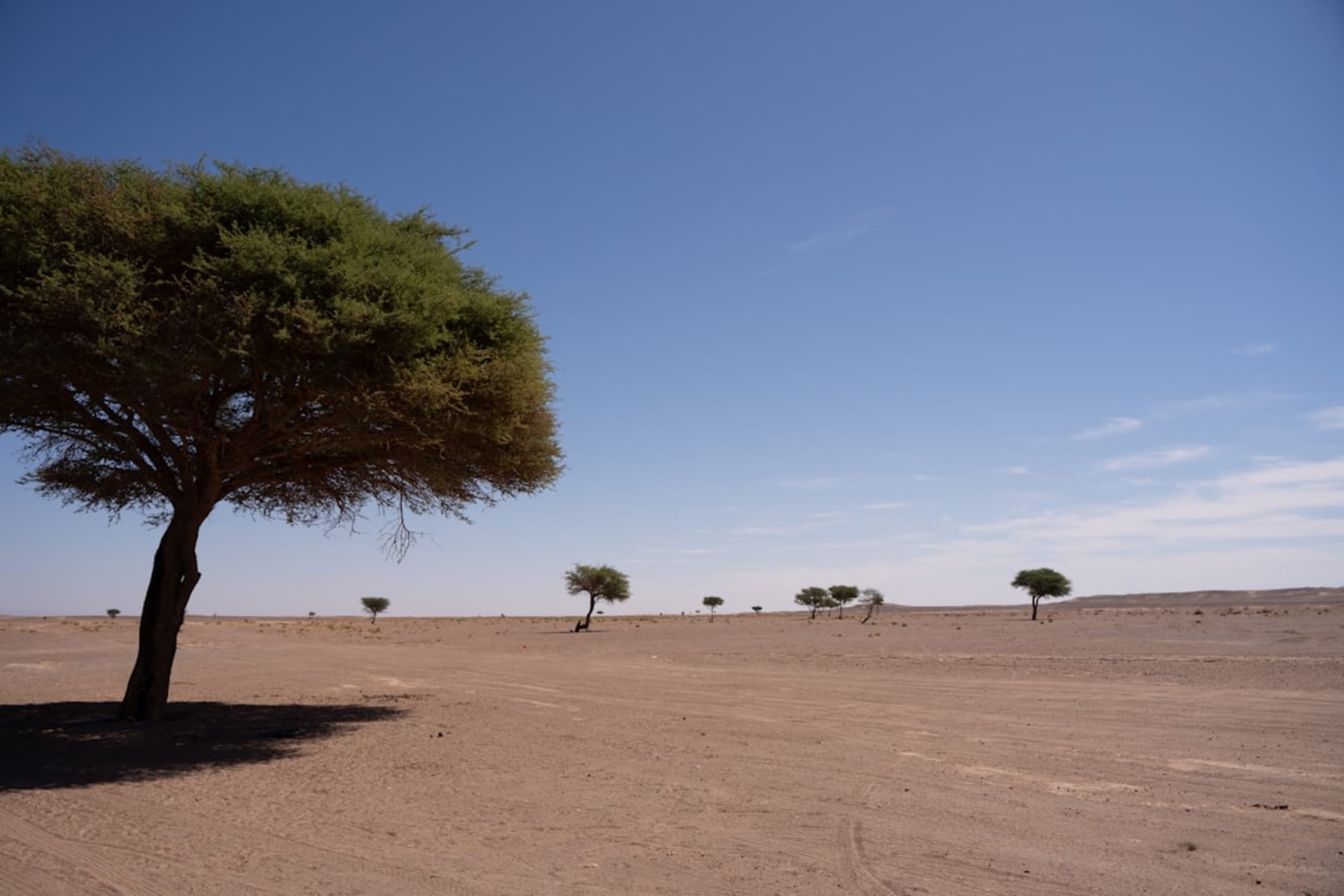
A far-north garrison town near the Sudan and Chad borders where the forest has given up entirely and the landscape turns to thorn scrub and open horizon.
Getting to Birao changes your understanding of what “Central African Republic” even means as a category. Everything I’d associated with the country — the density of the rainforest, the humidity that soaks your shirt in minutes, the sound of a forest at night — simply isn’t here. This is the Vakaga, the far northeastern corner where the country presses up against both Chad and Sudan, and the landscape has fully transitioned to Sahelian thorn scrub: flat-topped acacias, wide dry riverbeds called wadis that fill briefly and violently in the rains, and a horizon you can see for what feels like the first time in the country.
The town has a garrison feel that’s hard to separate from its history — a UN peacekeeping presence has rotated through here for years given the chronic instability of the surrounding region, and the airstrip, oversized for a town this size, exists mainly to service that operation. I stayed with a family connected to the local livestock trade, cattle herders whose seasonal movements ignore the international borders on the map entirely, following grazing patterns that predate any of the three countries that currently claim this land. The father, Adoum, spoke a mix of Arabic, Sango, and French depending on who he was addressing, switching mid-sentence without apparent effort.
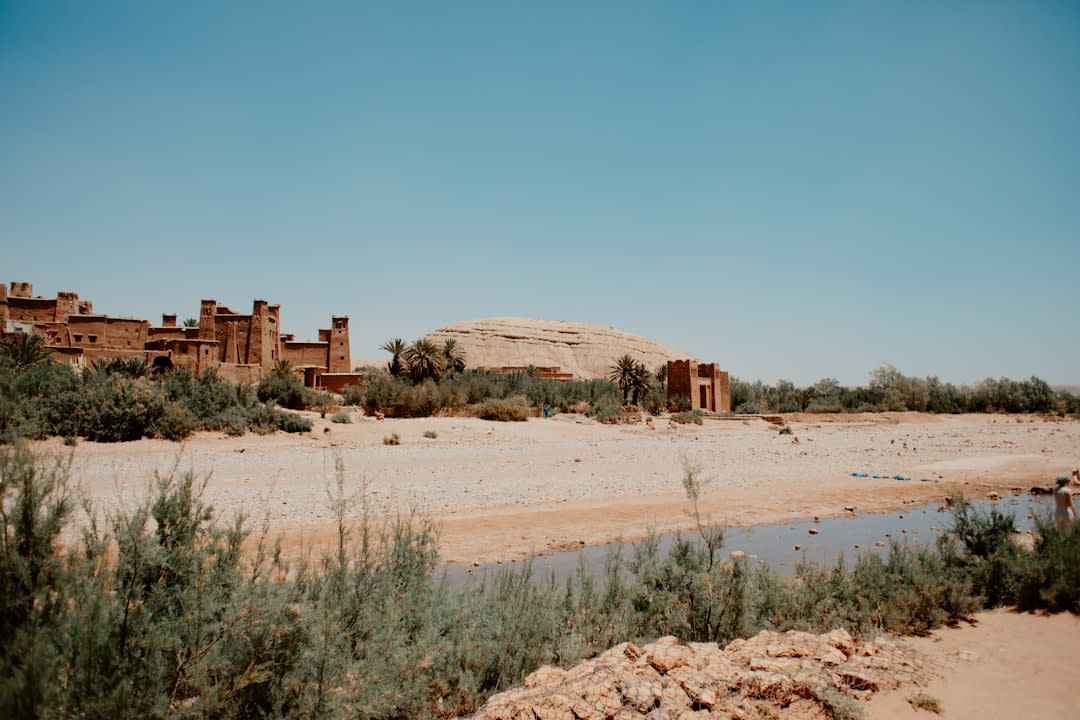
The market in Birao runs on a rhythm dictated by trade routes rather than local production — dates and grain arriving from the Sudanese and Chadian side, livestock moving south, and a noticeably more Arab-influenced material culture than anywhere else I encountered in the country: turbans, the design of the tea glasses, the flatbread cooked on a domed iron plate rather than the cassava-based staples of the south. I drank sweet, strong tea poured from a great height by a trader who’d clearly perfected the theatrics of it over years, and ate dates that had traveled further to reach me than most of the food I’d had anywhere else in the country.
What I won’t forget about Birao is the sky at night. Away from any meaningful light pollution, in air far drier than the humid haze of the south, the stars came down with a clarity that felt almost aggressive after weeks under forest canopy. Sitting outside with Adoum’s family, someone pointed out a satellite crawling across the sky, and for a moment the conversation paused entirely, everyone just watching it cross from horizon to horizon in complete silence.
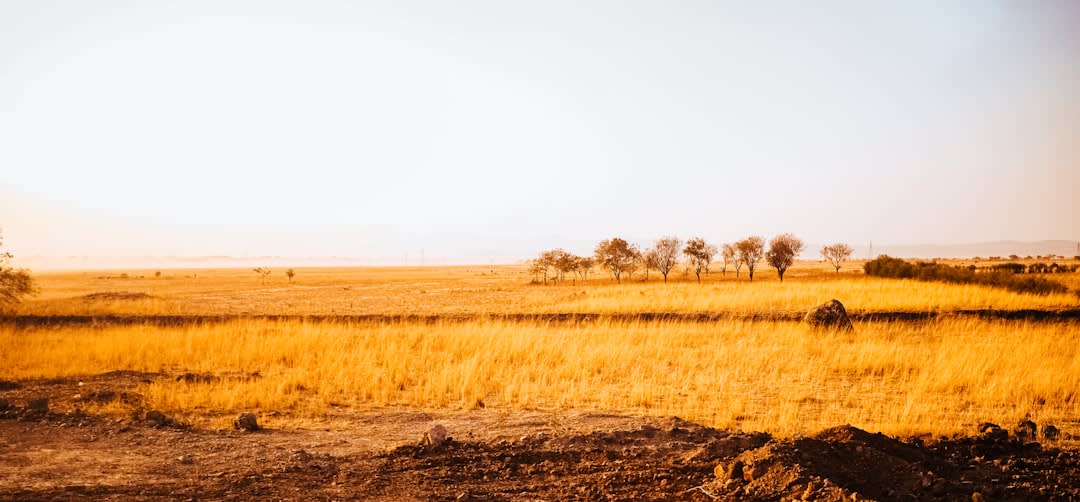
When to go: Security in the Vakaga region is genuinely volatile and requires current verification, ideally through the UN or NGO presence still operating there, before any attempt to visit. If conditions allow, November through February brings cooler, more bearable daytime temperatures than the brutal heat of the dry season’s later months.