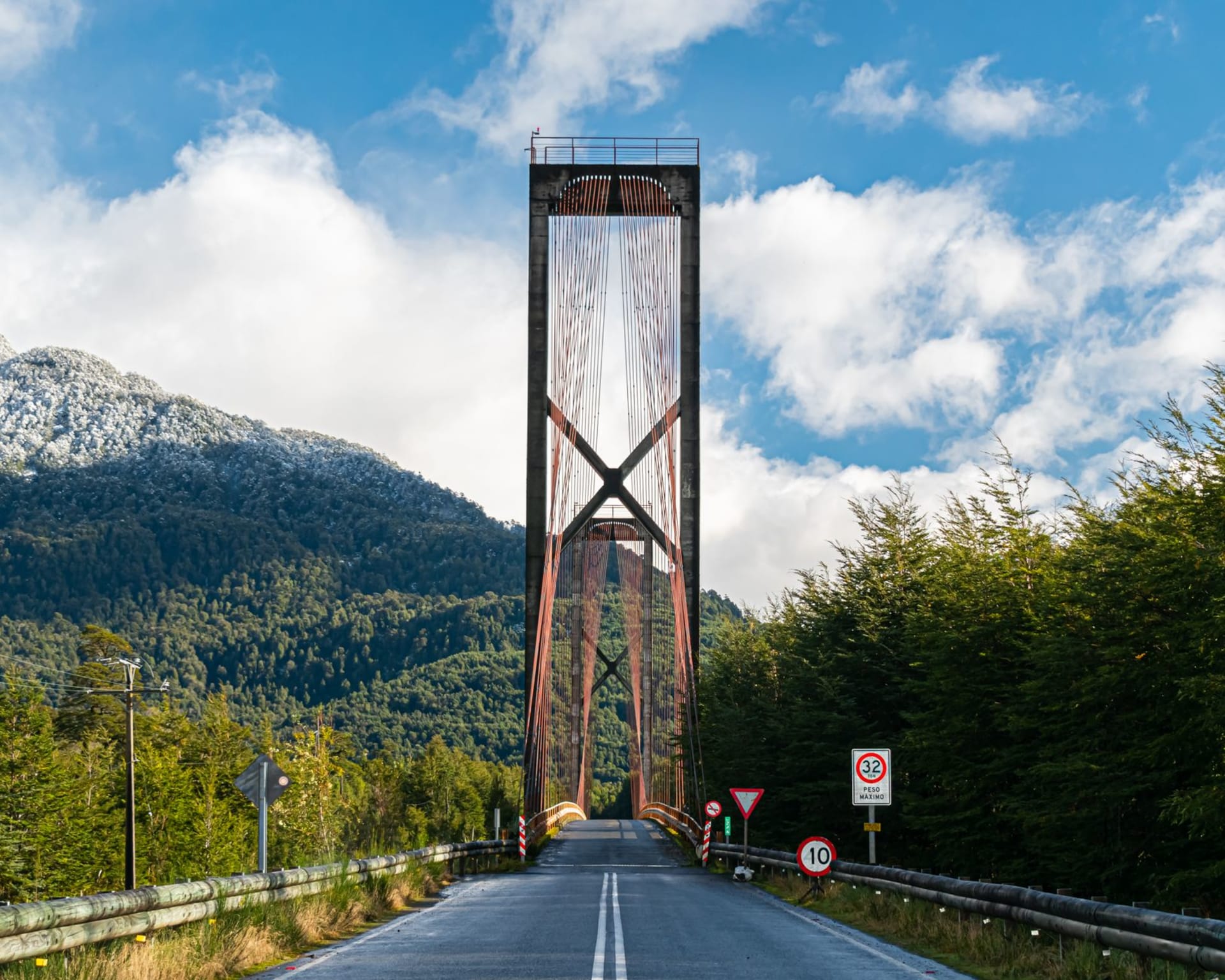
Chaitén
"A town that survived its own destruction and didn't bother pretending otherwise."
The ferry from Puerto Montt arrives at Chaitén just before dawn, and for a few minutes as I walked off the ramp into the grey morning I thought I had the wrong port. There was almost no one on the dock. A dog crossed the road at its own pace. A single fluorescent light was on in what might have been a café. It was the quietest arrival I’d ever made, and the town had not yet decided to wake up and prove it existed. Then I smelled the sea mixed with something mineral and faintly sulfuric, and I knew I was in the right place.
Chaitén erupted in 2008 — catastrophically, with almost no warning — and the lahars buried the original town center under meters of volcanic sediment. The Chilean government relocated most residents to a new settlement further north along the coast. But a stubborn portion of the population refused to leave, and when the danger passed they moved back into the old streets. What you find today is this strange double town: a functional new Chaitén with a fuel station and a hospedaje and a couple of restaurants, and then, ten minutes’ walk south, the ruins of the old city.
The old zone stopped me cold. Houses sat at odd angles where the ash had pushed them sideways. One building had a car inside it — not abandoned there, absorbed, the ash having risen to window level before hardening. Vegetation had worked fast in Patagonia’s wet warmth, and ferns and nalca pushed up through window frames and broken rooflines with the particular urgency of plants that know they’ve been handed a gift. I walked the streets for two hours alone and saw no one except a man walking his dog through the ruins as though it were an ordinary Thursday park — which, for him, I suppose it was.
The café in the new town was where I ate breakfast: eggs fried in butter, pan amasado still warm from the oven, instant coffee in a ceramic mug with a chip on the rim. The woman who brought it told me she’d lived through the eruption and pointed south toward the old zone without sentiment. “Mi casa está allá todavía,” she said. Her house is still there. She didn’t elaborate and I didn’t ask.

What Chaitén gives you — if you slow down enough to accept it — is a genuine encounter with what the Carretera Austral actually is: a place that has always existed outside the normal logic of infrastructure and permanence. The road south begins here in earnest. Gravel soon replaces asphalt, cell service disappears, and the mountains close in. Chaitén is the last proper supermarket stop for some time. Buy fuel. Fill the water bottles. And walk through the old town before you leave, because nowhere else on the route will the land’s indifference to human plans be stated quite so plainly.
When to go: November through March when the ferry from Puerto Montt runs reliably and the road south dries out. The ruins of old Chaitén are accessible year-round, but the surrounding trails into Parque Pumalín are at their best in summer. Avoid May through August unless you enjoy mud and persistent grey.