
Boa Vista
"I drove for two hours across the desert and met three people. Then I sat on the beach and watched a turtle the size of a coffee table drag herself out of the sea."
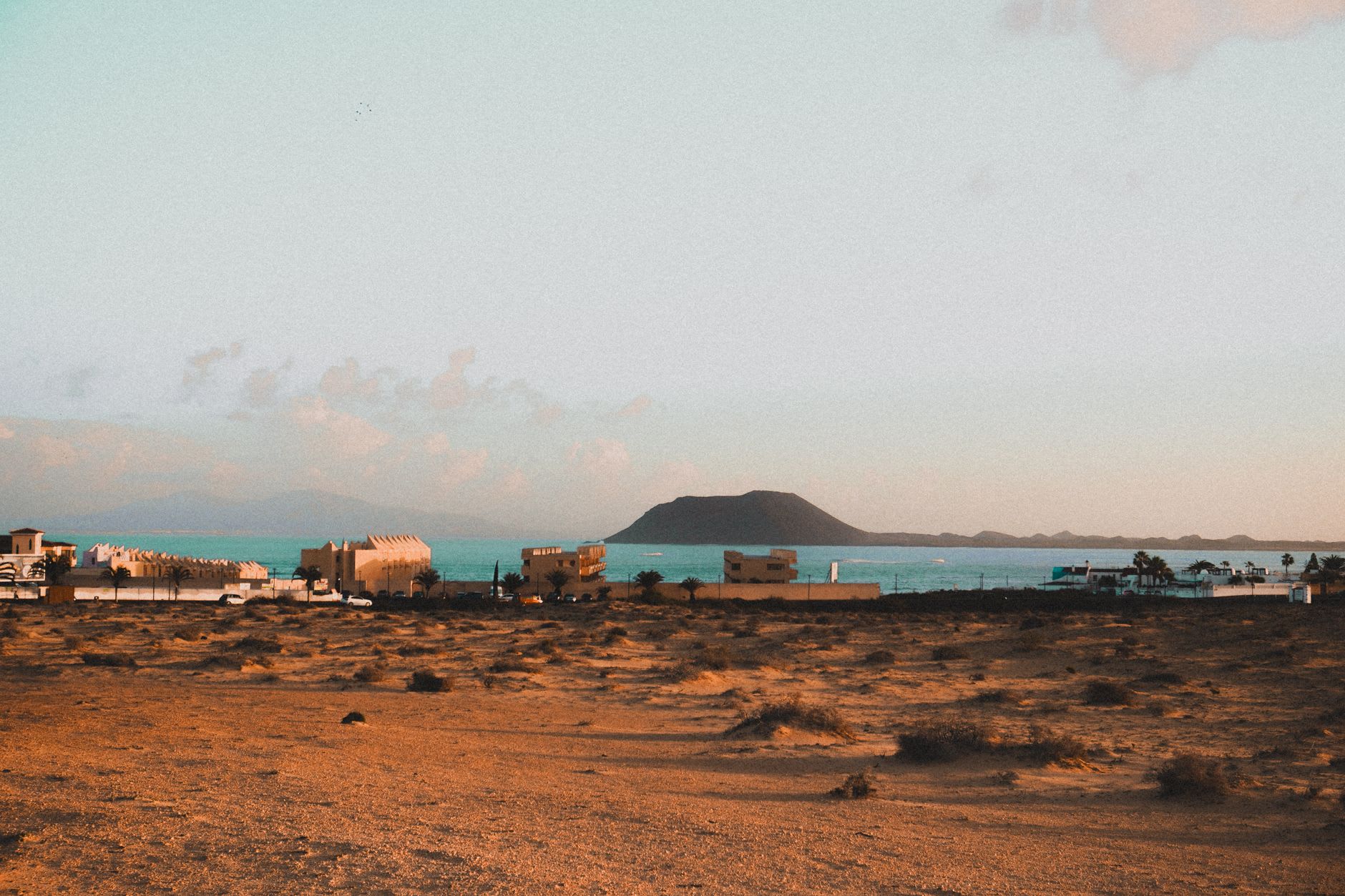
Boa Vista is flat in a way that only desert islands can be — the wind has been working on it for so long that resistance seems to have been abandoned. Flying in, the island reads as a series of beach curves interrupted by occasional infrastructure and the remarkable fact of the Viana Desert: a genuine Saharan dune system in the middle of the Atlantic, orange sand in hills that shift in the trade winds with the slow patience of something that is not going anywhere in particular but is definitely going.
I hired a 4x4 in Sal Rei, the main town, and drove the island’s interior roads for an afternoon. This is not a metaphor or an aspiration — it is a practical requirement, because Boa Vista’s geography demands a vehicle with good ground clearance and a willingness to navigate by landmark since GPS covers only the main road. The Viana Desert is accessed via a track that runs south and becomes increasingly theoretical as it goes. I stopped where the track stopped and walked to the top of the nearest dune and stood there for a while, feeling the wind and the scale of it, the Atlantic visible in three directions from the dune crest, the sand running smooth to the horizon in every direction.
The loggerhead turtles are why many people come to Boa Vista between June and October, which is their nesting season. The island hosts the largest loggerhead nesting colony in the eastern Atlantic, which is a fact that carries significant weight when you are watching one in person. I joined a night walk run by the conservation project at the nature reserve in the south of the island, following a guide along three kilometres of unlit beach to where a female — enormous, maybe a metre across, moving with the laborious dignity of something perfectly designed for an element it has temporarily left — was in the process of excavating a nest in the sand. She was completely unconcerned with us. We watched in silence for forty minutes. I did not find it easy to be casual about.
The ghost town of Povoação Velha, in the south of the island, is the original settlement — abandoned in the early twentieth century when the population moved closer to the port. What remains is a clutch of stone ruins in various stages of return to the landscape, a church facade, some walls. The sand has been working on them for a hundred years and is making progress. I arrived in the late afternoon when the light was horizontal and golden and the ruins cast long shadows across the scrub. A goat was standing on top of one of the walls, regarding me with the detached authority of an animal that has occupied this territory considerably longer than humans currently do.
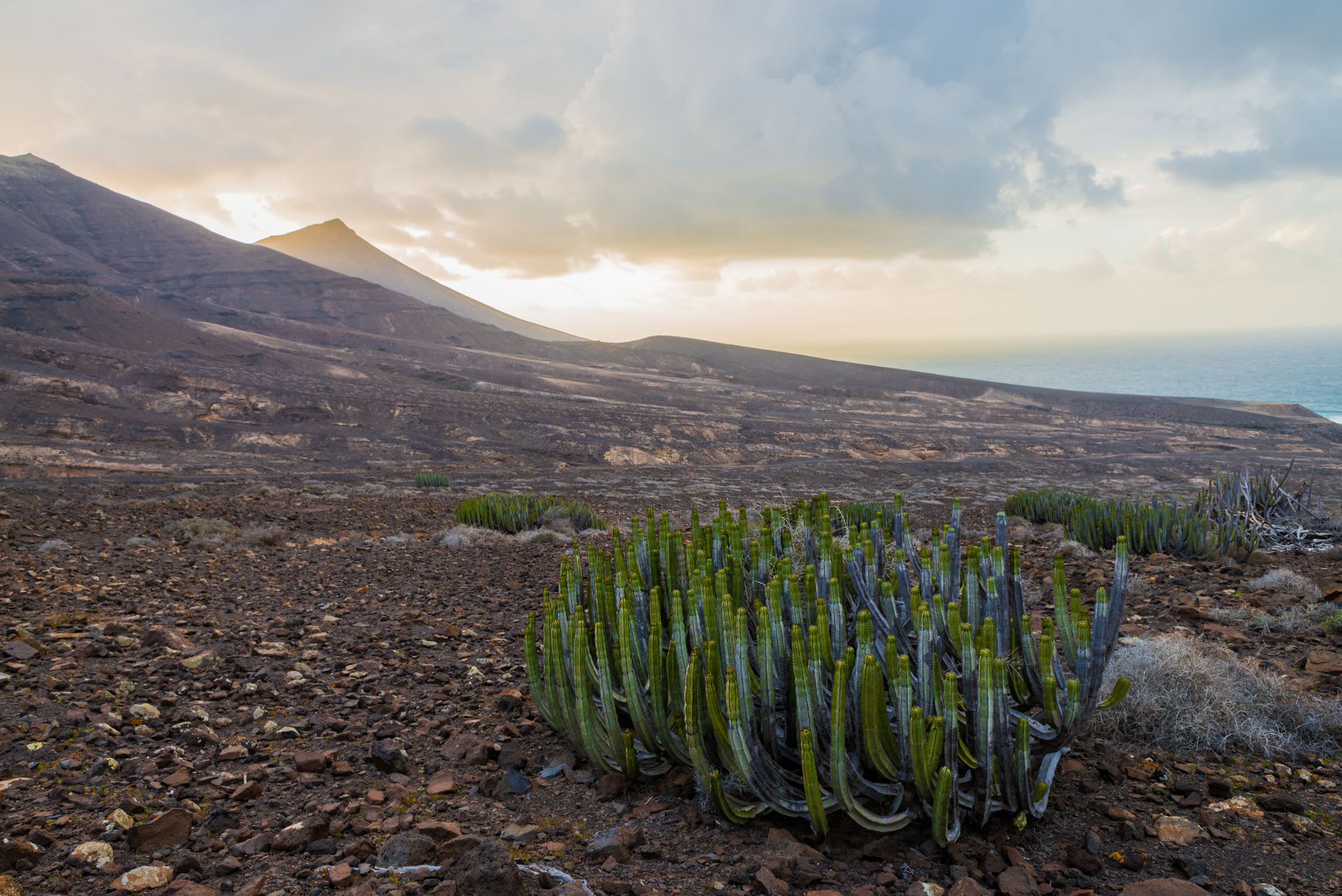
The beaches on the northern and western coasts — Praia de Chaves, Praia de Santa Mónica — are the kind of beaches that get described as unspoiled, which is another way of saying that the absence of infrastructure has preserved something infrastructure tends to obscure: the fact that a beach this wide, this empty, this perfectly curved makes every stress you brought with you feel disproportionate to the situation.
When to go: November through May for watersports and beach time — the trade winds are consistent and the seas are warm. For turtle nesting, come June through October, especially July and August when numbers peak. The two motivations barely overlap, which means deciding what kind of trip this is before you book.