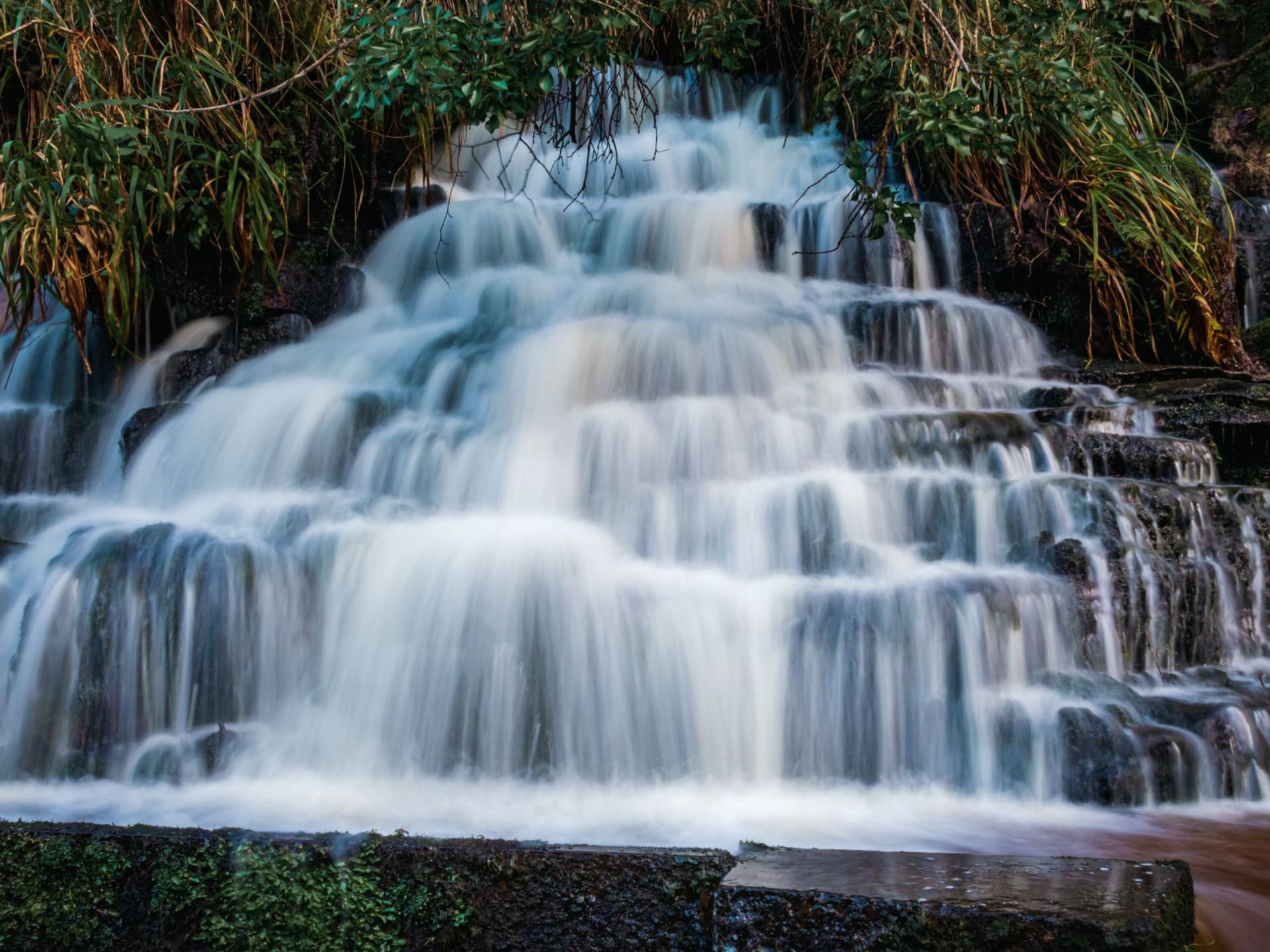
Karera Waterfalls
"The mist reached us a full minute before the sound did — which tells you something about the scale."
I found the Karera waterfalls by accident the first time, in the sense that I had read about them in passing and not taken the description seriously. “Waterfalls near Rutana” doesn’t fully prepare you. The track from the nearest dirt road drops through increasingly thick bush for about forty minutes on foot, following a guide named Théogène who moved through the undergrowth at a pace that made it clear he had done this a thousand times. The sound arrived before the visual confirmation — a deep, continuous, bass-register rumble that I initially attributed to thunder until I remembered there were no clouds.
The Karera complex is actually four separate falls on two rivers that come together in a canyon system, and the largest of them drops around 60 meters into a narrow black-rock gorge. Standing at the viewing point above it, which is roughly level with where the water goes over the edge, the scale registers in a way that a photograph cannot achieve: the vertical drop, the sheer volume of water moving, the continuous mist that rises from the impact at the bottom and soaks everything within thirty meters. My clothes were wet within two minutes of arrival. I didn’t mind in the slightest.
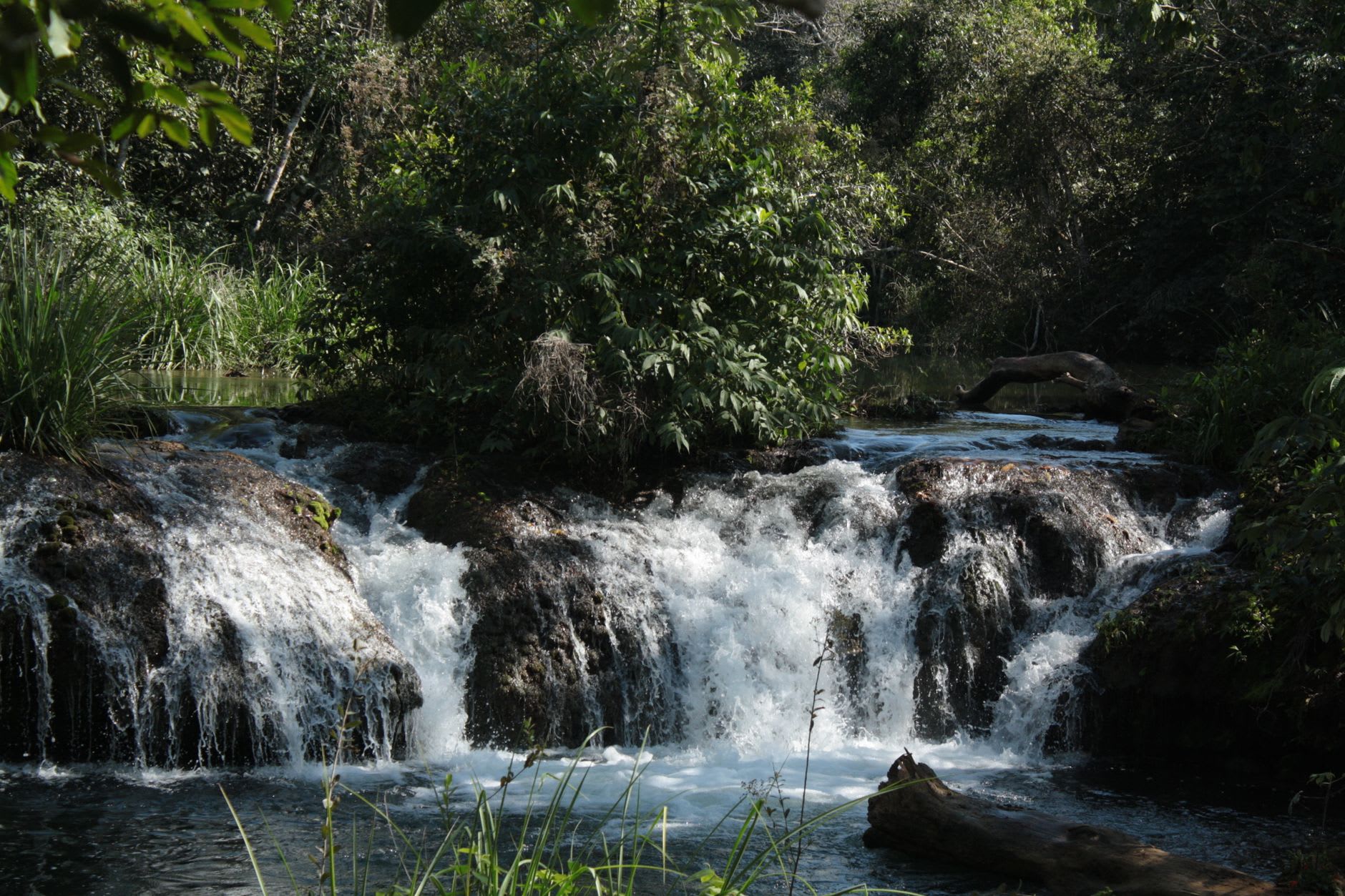
What distinguished Karera from other dramatic waterfalls I’ve stood in front of was the relationship between the water and the forest. The canyon is so narrow and the vegetation so dense that the falls exist in their own microclimate — perpetually wet, perpetually shaded, with ferns and mosses and liverworts covering every surface in colors that the available light turned to jewel tones. Théogène named several of the plants in Kirundi, translating some: one fern was used in traditional medicine for headaches, another for a preparation for skin problems. The rainforest as pharmacy, in the mist of a waterfall.
The smallest of the four falls is accessible by scrambling down a steep trail to a pool at the base — clear, cold, and deep enough to swim in, though the current from the fall means you swim in a very small area before it starts pushing you toward the rock face. I went in anyway. The water was cold enough to produce a brief, involuntary sound upon entry. Théogène watched from the bank with the expression of someone who has seen this happen many times and finds it quietly amusing.
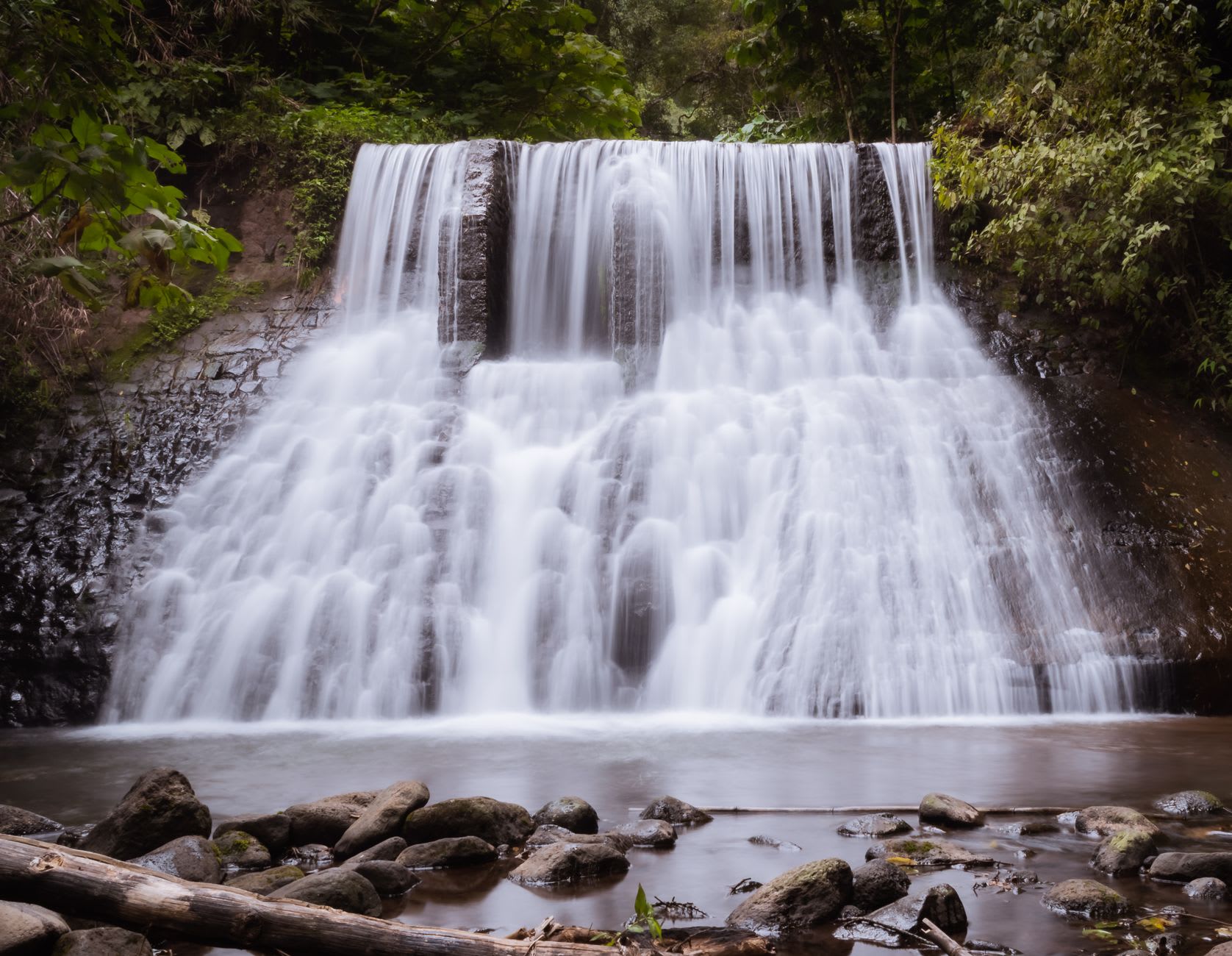
Getting to Karera requires some planning. The falls are in Rutana province in Burundi’s southeast, which is not well served by public transport. The most reliable approach is to hire a vehicle from Bujumbura or Gitega for a day trip — the roads improve significantly in the dry season. The site has a small entrance fee and a couple of local guides who know the canyon well; engaging one of them is worth it for both safety and context.
When to go: The falls are most spectacular during and just after the rains (March to May and November) when the water volume is at its peak. The dry season (June to August) makes access easier and the paths less treacherous, and the falls are still impressive — just somewhat reduced in volume. Avoid visiting after prolonged heavy rain when paths can be dangerously slippery.