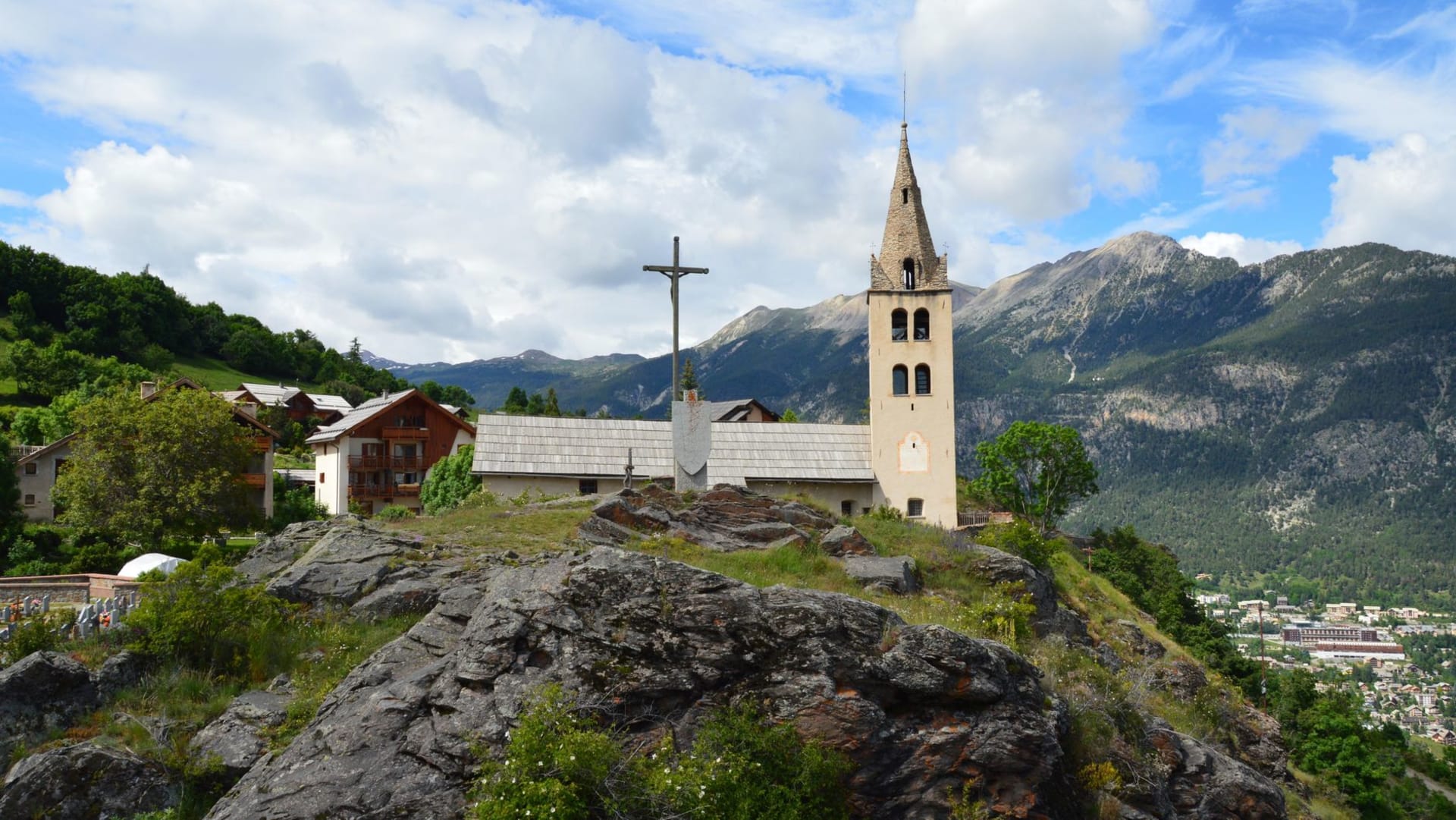
Saint-Malo
"At high tide, Saint-Malo becomes an island again, and you understand why the people here were never quite French."
The tide was already coming in when I walked the ramparts for the first time. Within an hour, the causeway to the mainland had disappeared under half a metre of Atlantic and the city had become, as it was for centuries, an island. Standing on the walls with the spray lifting off the rocks below and the town at my back — slate rooftops, grey granite, church towers stubbed against a pewter sky — I had the distinct feeling of being somewhere that had decided, long ago, to belong only to itself.
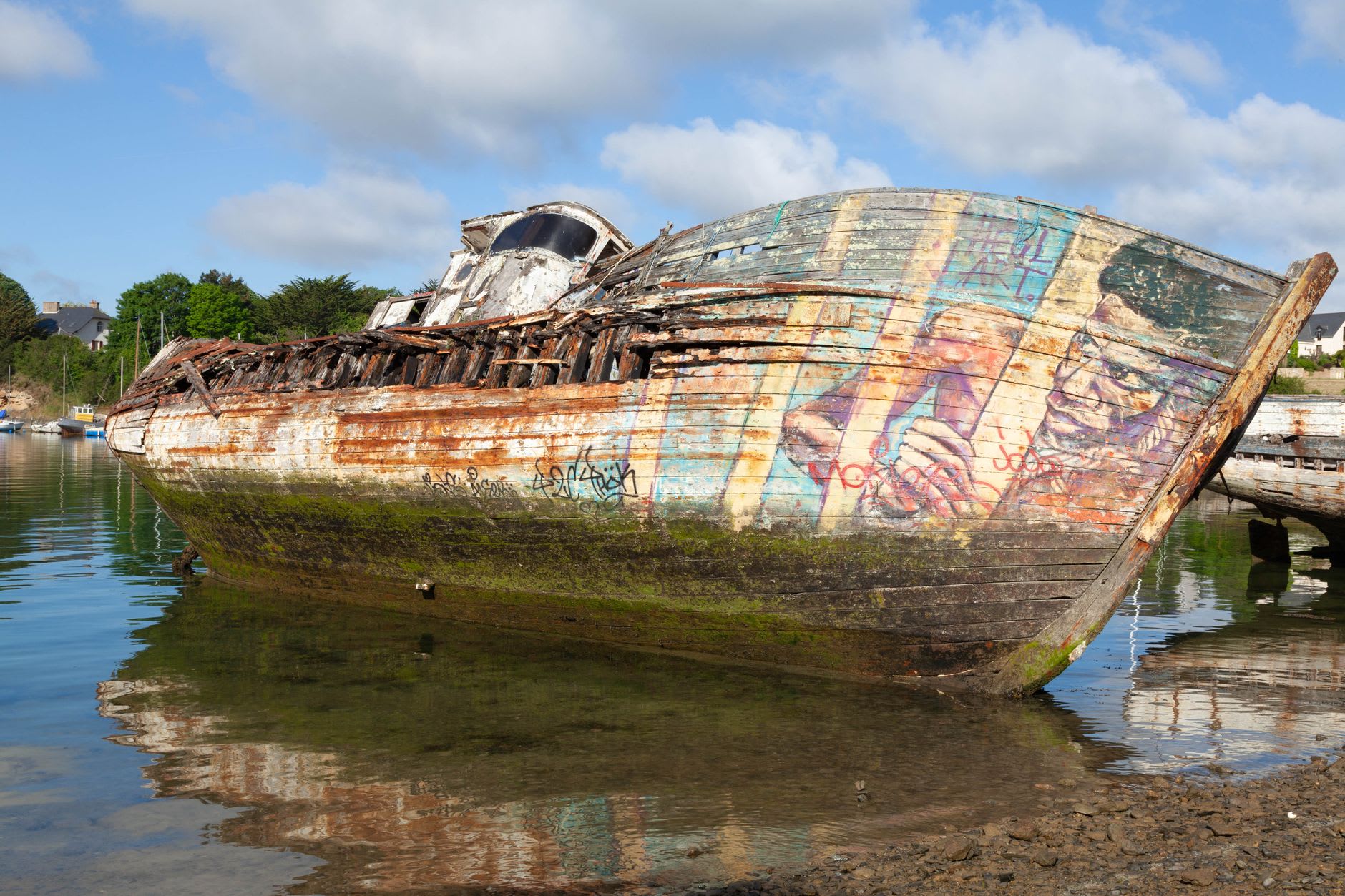
The intra-muros, the old city within the walls, is tight and vertical. The streets are narrow enough that residents on opposite sides could theoretically shake hands from their windows, and the buildings have that particular Breton solidity — no ornament, no softness, just dressed granite stacked four storeys high. Much of it was rebuilt after the Allied bombardment of 1944, but rebuilt with such fidelity to the original proportions that the seams barely show. I ate moules-frites at a place on Rue de la Soif — the Street of Thirst, which tells you something about local priorities — and ordered a pichet of Muscadet that came cold and sharp enough to sting. The moules were local, plump, smelled of iodine and low tide.
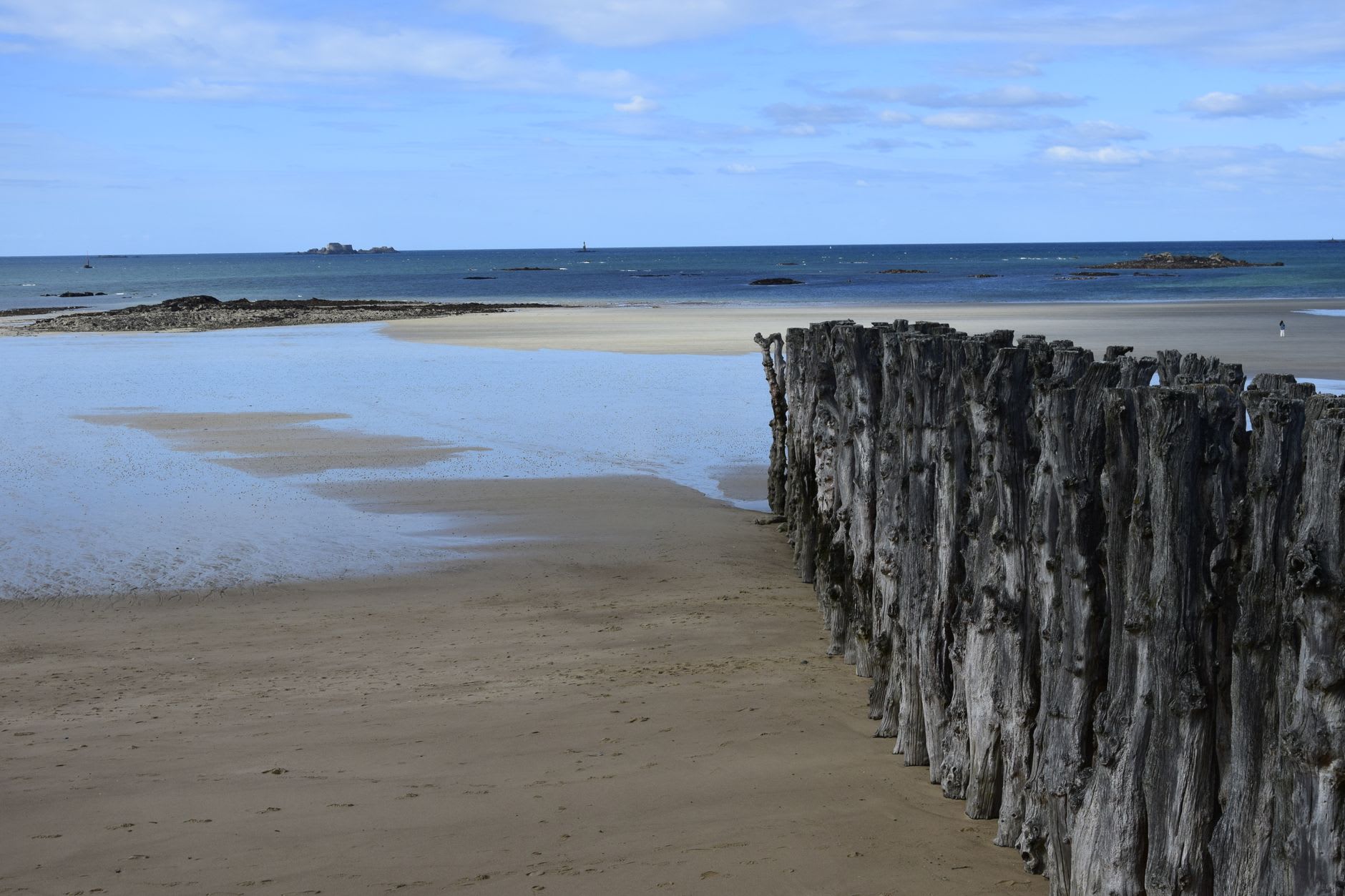
What I hadn’t expected was the water at low tide: an immense flat of pale sand stretching out to the offshore islands, the Grand Bé and the Petit Bé, suddenly accessible on foot. I walked out to the Grand Bé on a Tuesday morning to see the grave of Chateaubriand — the Romantic writer who was born here and insisted on being buried on this tidal island so that he would, as he put it, hear nothing but the sea and the wind. The grave is a plain slab of granite with his name, nothing more. It felt right. The romanticism was already in the location.
The Fort National sits on its own rock at the mouth of the bay, accessible only at low tide, and I spent an hour inside its walls understanding why the Malouins — the people of Saint-Malo — were so formidable as corsairs. Privateers, technically, given official licenses by the French crown to raid enemy shipping. From these walls you can see every approach. They saw you coming long before you saw them.
When to go: The rampart walk is extraordinary in any weather, but June and early September offer long evening light that turns the granite gold. Come at high tide at least once — the transformation of the place is real and worth timing your day around.