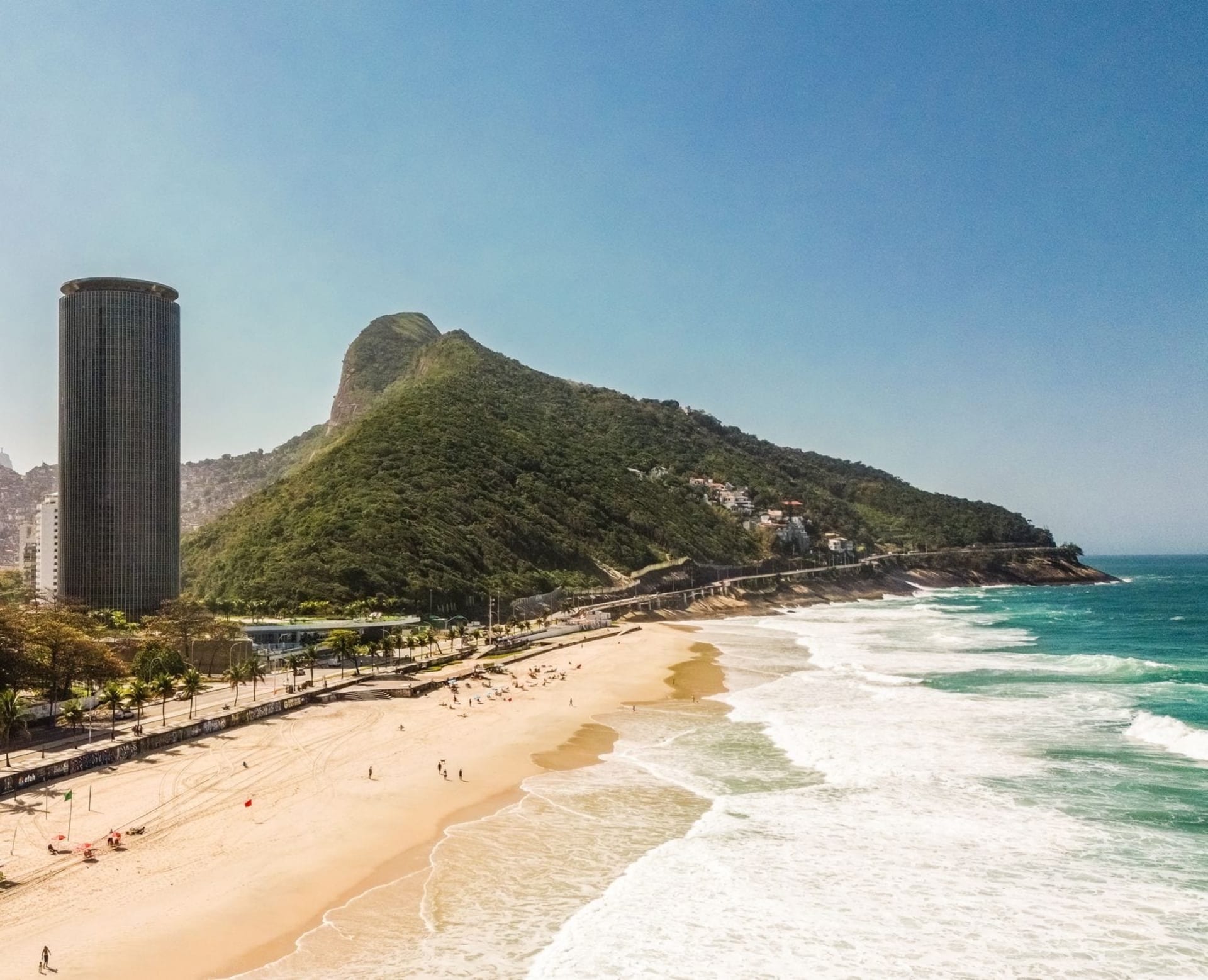
Rio de Janeiro Beaches
"At Ipanema the mountains watch the sea watch the people — everyone is equally dazzled."
From Ipanema to Barra, Rio's beaches are where samba, volleyball, and the entire social order plays out daily.
There is a particular quality of light in Rio at around four in the afternoon — not the harsh blaze of midday but something thicker, almost amber, the kind that makes every body on the sand look like a sculpture. I noticed it first at Posto 9, the stretch of Ipanema where the artistic crowd has claimed its patch of territory since the bossa nova years. A transistor radio somewhere was playing something old and warm. The Atlantic was rolling in with casual indifference to everything.
The Social Geography of Sand
Rio’s beaches are not simply beaches. They are neighborhoods laid flat, their invisible boundaries enforced by habit and reputation rather than any sign or fence. Posto 9 for the bohemians. Posto 10 for families from Leblon. Farther east along Copacabana, near the Forte de Copacabana, older men play dominoes under beach umbrellas at a pace that suggests they have been doing this for decades and intend to continue. Each group arrives at its spot with the quiet certainty of someone returning home.
Lia and I spent two mornings simply walking the Calçadão — the famous wave-patterned mosaic promenade — from Leme all the way down to Arpoador, buying coconuts from vendors who cracked them open with three practiced strokes of a machete. The juice inside was always slightly too sweet and completely perfect.
What the Water Teaches You
I am a reasonable swimmer, but the Atlantic off Ipanema is not interested in your confidence. The waves break hard and close to shore. My first attempt at getting past them left me turned upside down, salt in places salt has no business being, while a ten-year-old local boy glided through the same break as if gravity were optional. There is a specific humility the ocean insists upon, and I was grateful for it.
The unexpected discovery came later, at dusk on a Tuesday. We had wandered to Pedra do Arpoador, the rocky headland between Ipanema and Copacabana, expecting a view. What we found was a ritual: dozens of people seated on the rocks in silence, all watching the sun descend behind the mountains toward Barra. When it finally dropped below the horizon, the crowd applauded. Not ironically. Genuinely. As if the sun had performed something difficult and deserved acknowledgment.
Morning Rituals
Come early enough — before eight — and the beaches belong to a different city entirely. Joggers on the boardwalk. Old women doing water aerobics in the surf with a seriousness that commands respect. Vendors setting up their stalls with mate tea and biscoito de polvilho, the light starch crackers that dissolve the moment they touch your tongue. The whole machinery of the day assembling itself before the heat makes thought difficult.
When to go: April through June offers the most agreeable weather — warm enough for the beach, cool enough to walk the city without suffering. The peak summer months of December through February bring Carnival energy and unpredictable afternoon downpours that clear as quickly as they arrive.