Praia do Rosa
"I came to Praia do Rosa for the surf and stayed to watch a whale teach her calf how to breach."
Santa Catarina's iconic surf village between two crescent beaches, famous for right whales calving offshore each winter.
There is a trail above Praia do Rosa that every guesthouse recommends and every guesthouse is right to recommend: a fifteen-minute climb through Atlantic forest to a lookout where the village’s two beaches unfold at once, a green headland splitting them like a comma in a long green sentence. I arrived from Florianópolis in a rental car with no real plan beyond “surf town, good waves,” and left four days later having rearranged my entire idea of what a Brazilian beach village could be.
A Village Built Around Two Beaches
Praia do Rosa proper — the main beach, lined with pousadas climbing the dunes — is where the town’s social life happens: caipirinha stands, forró on weekend nights, a laid-back surf-school economy running the length of the sand. Walk fifteen minutes over the headland and you reach Praia da Vermelha, wilder and far less developed, backed by dark red sand and a swell that draws surfers willing to make the extra walk.
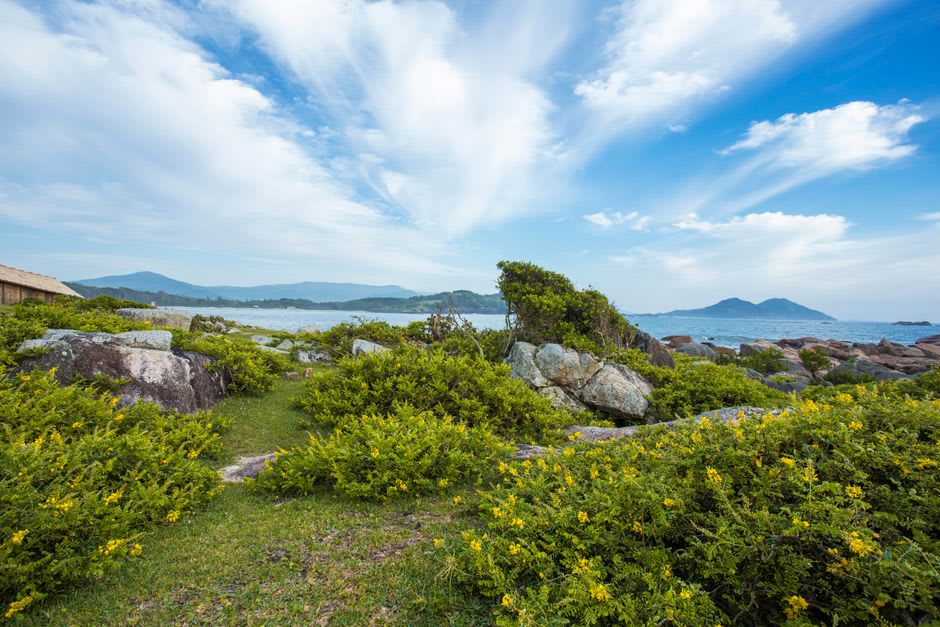
I paddled out at Vermelha on my second morning with a local instructor who had grown up in the village and watched three generations of tourism arrive. “First it was hippies,” he said, counting on his fingers, “then surfers, now everyone.” He said it without complaint. There is still enough forest and empty sand here to absorb all three waves without feeling crowded.
Whale Season
From June to November, southern right whales come to the bay off Praia do Rosa to calve, close enough to shore that we watched a mother and calf from the lookout point with nothing but the naked eye — a slow roll of dark backs breaking the surface, then the unmistakable slap of a tail. Boat tours run out of the village during these months, but honestly the free view from the clifftop trail rivaled anything the tour promised.
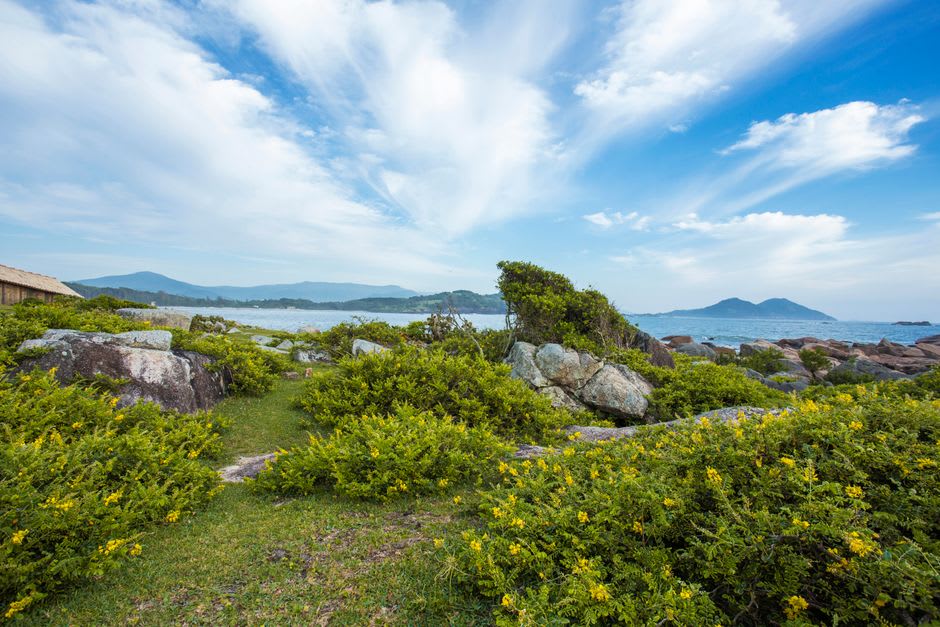
Lagoa do Ibiraquera
A short drive south, the lagoon of Ibiraquera opens onto a separate stretch of dunes where kitesurfers and stand-up paddlers use the flat water on windy afternoons when the ocean swell gets too rough for beginners. We spent an afternoon there with a thermos of maté, watching kites cut patterns against a sky that kept threatening rain and never delivering.
When to go: June to November for whale watching and the biggest swells. December to March for warm water and beach season, though it gets considerably busier with Brazilian and Argentine holidaymakers.
Keep exploring
More from Brazil
 brazil
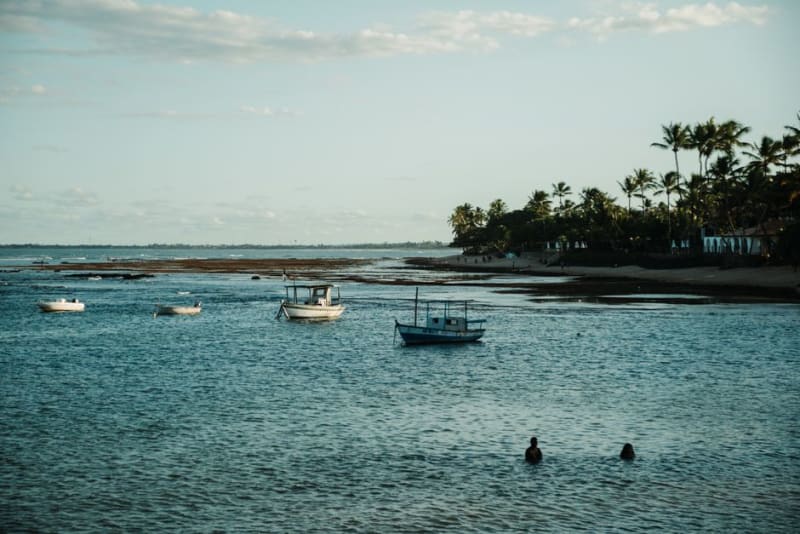
 Praia dos Carneiros
A palm-lined Pernambuco beach with reef pools and a tiny whitewashed chapel that stands ankle-deep in the sea at high tide.
Explore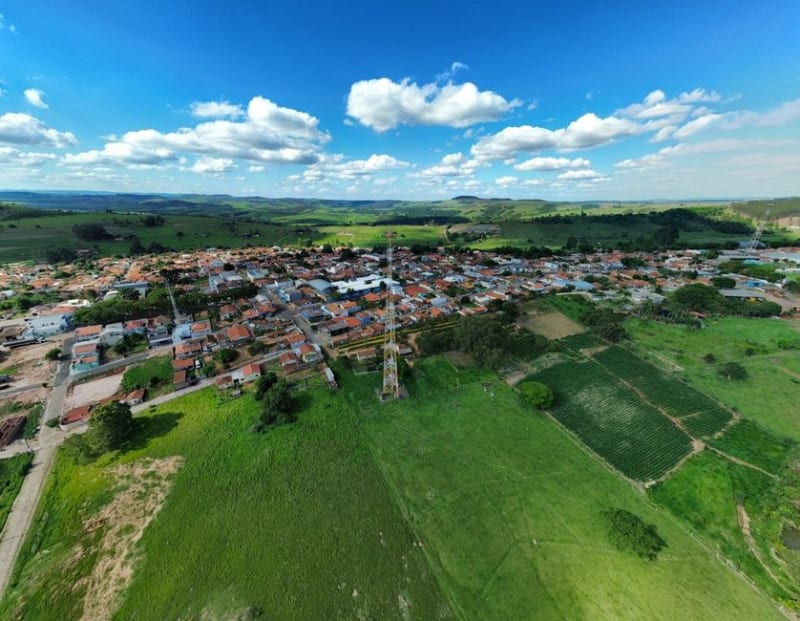 brazil
 Presidente Figueiredo
The 'land of waterfalls,' a jungle town outside Manaus with more cachoeiras than anyone could visit in a single trip.
Explore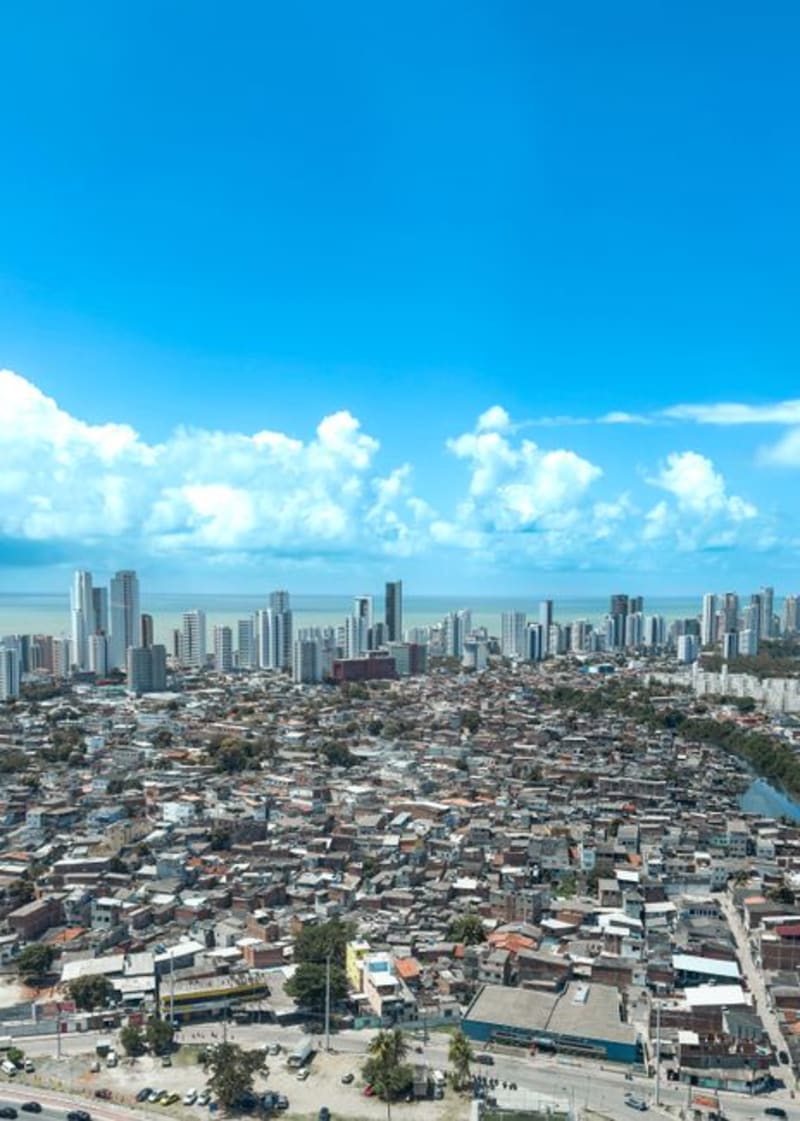 brazil
 Recife
Pernambuco's capital, laced with rivers and bridges, where forró spills out of bars and the old sugar-port streets still smell of the Atlantic.
Explore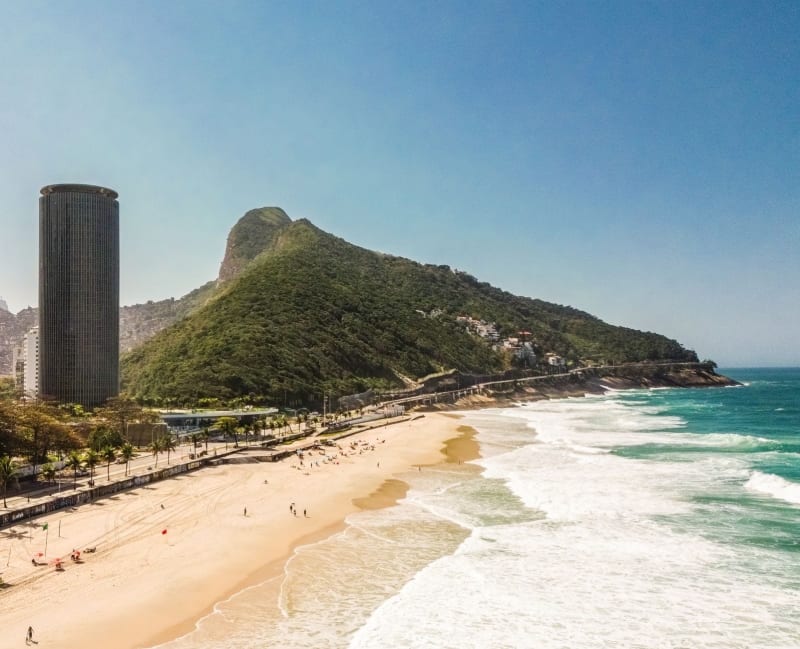 brazil
 Rio de Janeiro Beaches
From Ipanema to Barra, Rio's beaches are where samba, volleyball, and the entire social order plays out daily.
Explore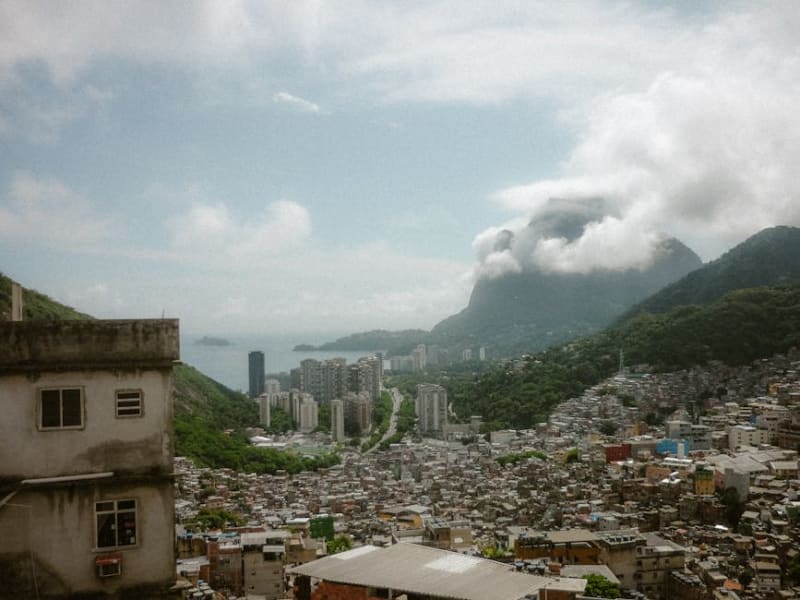 brazil
 Rio de Janeiro
A city that lives outdoors — between granite peaks, Atlantic surf, and a samba beat that never quite fades.
Explore brazil
 Salvador
Bahia's Afro-Brazilian capital, where cobbled Pelourinho, capoeira circles, and terreiro drumming carry Brazil's African roots closer to the surface than anywhere else in the country.
Explore