Pirenópolis
"Pirenópolis has the charm of Tiradentes and the waterfalls of a national park, and half the crowds of either."
A cobblestoned 18th-century mining town in the hills of Goiás, ringed by waterfalls and increasingly discovered by São Paulo weekenders.
Pirenópolis sits in the Serra dos Pireneus, a range of hills in Goiás that has nothing to do with the actual Pyrenees beyond the borrowed name, and the town itself has the same colonial mining-town DNA as Minas Gerais’ famous historic towns — cobblestone streets, whitewashed churches, 18th-century facades in faded pastel. What sets it apart is what surrounds it: a ring of genuinely spectacular waterfalls within a short drive, which means Pirenópolis functions as both a heritage town and an adventure base in a way that Tiradentes or Ouro Preto, further south, don’t quite manage.
The Historic Center
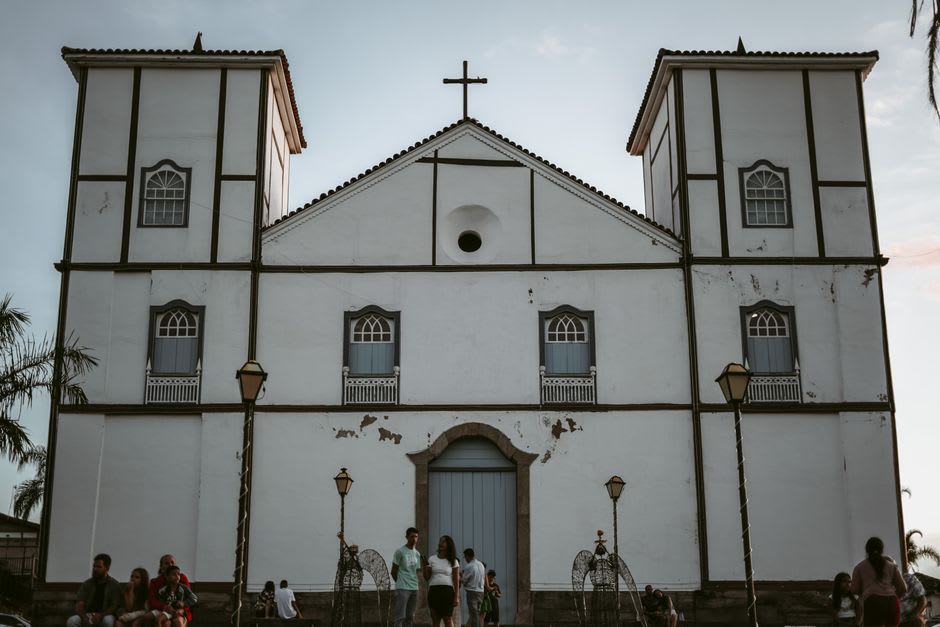
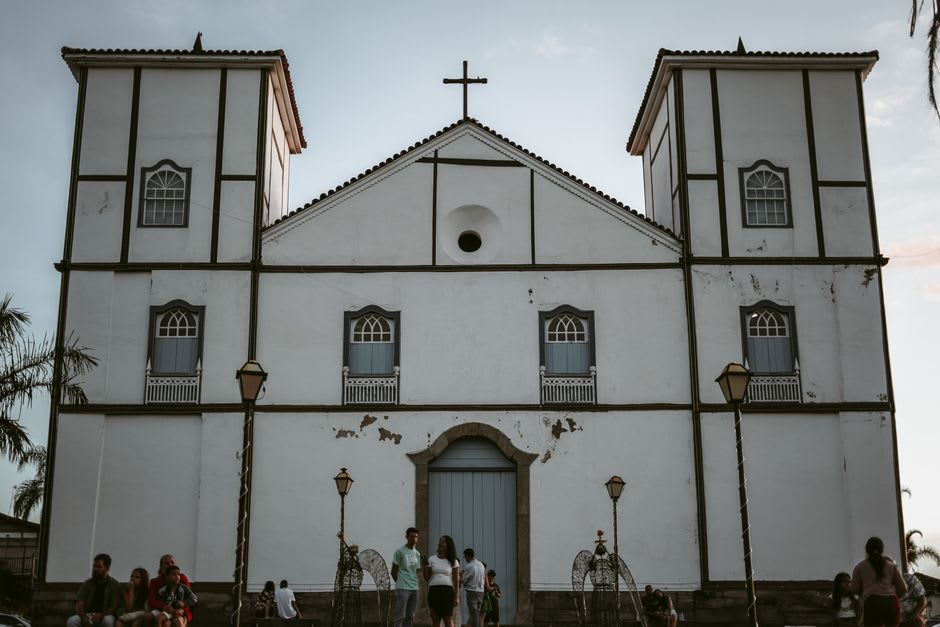
The town was founded in 1727 during Goiás’ gold rush, and the center has been carefully preserved — Rua do Rosário and Rua Direita are the two main cobbled streets, lined with artisan shops, small galleries, and restaurants spilling out onto the stone. The Matriz de Nossa Senhora do Rosário, one of the oldest churches in the state, anchors the main square, and the whole center has a lived-in, unrestored quality that some of the more polished heritage towns further south have lost. Weekends bring a steady flow of visitors from Brasília and Goiânia, but weekdays here still feel genuinely quiet.
The Waterfalls
This is where Pirenópolis earns its adventure-town reputation. Cachoeira do Abade, a series of falls and swimming pools a short drive from town, and Vale das Éguas, with cascades you can walk directly behind, are both accessible without much hiking, while further into the Serra dos Pireneus range there are longer trails leading to more remote cascades that see a fraction of the visitors. I spent an entire afternoon at Vale das Éguas simply moving between pools, and the sensation of standing in the cave-like space behind a curtain of falling water, looking out at the sunlit valley through it, is the kind of thing that photographs poorly and lodges in memory anyway.
Festa do Divino
If your timing allows it, Pirenópolis’ biggest event, the Festa do Divino Espírito Santo — a Pentecost-season festival blending Catholic tradition with medieval-style pageantry, including armored horseback battles reenacted in the streets — is one of the more unusual cultural spectacles I’ve encountered anywhere in Brazil. It happens fifty days after Easter and draws visitors from across the country, so book accommodation well ahead if it lines up with your trip.
When to go: May through September for reliable dry-season access to the waterfalls and trails. If the Festa do Divino timing works with your travel dates, it’s worth planning around.
Keep exploring
More from Brazil
 brazil
 Porto Alegre
Rio Grande do Sul's riverside capital — gaucho pride, sunset over the Guaíba, and the best churrasco culture in Brazil, unapologetically.
Explore brazil
 Porto Seguro
Brazil's 'discovery coast,' where the country's 1500 landing site coexists with a loud, unapologetic beach-party town built on lambada blocks and all-inclusive resorts.
Explore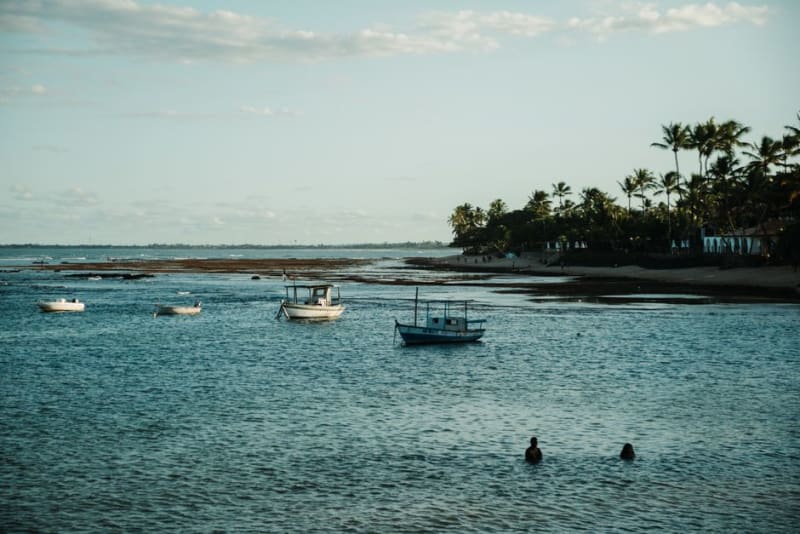 brazil
 Praia do Forte
A former fishing village turned eco-conscious resort town on the Coconut Coast, built around Projeto Tamar's sea turtle conservation work and some of Bahia's most walkable, low-rise beach charm.
Explore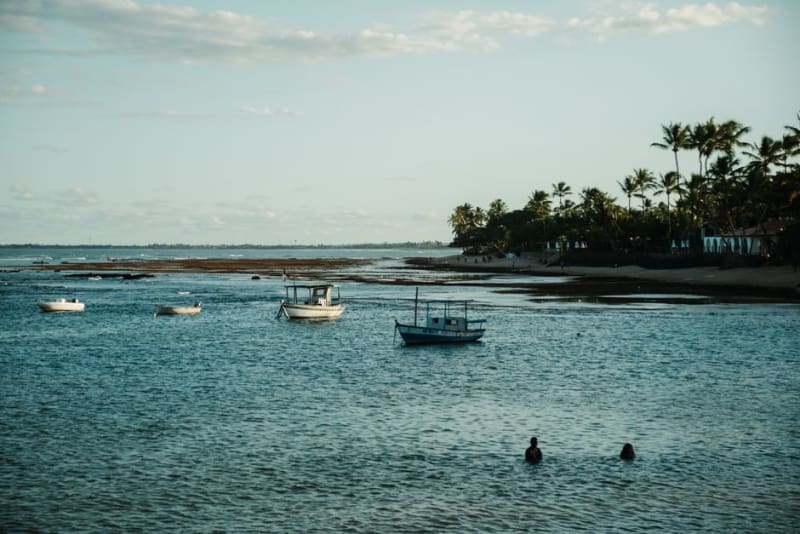 brazil
 Praia do Francês
A laid-back Alagoas beach town near Maceió where reef pools form at low tide and the surf breaks draw a looser, younger crowd than its capital neighbor.
Explore brazil
 Praia do Rosa
Santa Catarina's iconic surf village between two crescent beaches, famous for right whales calving offshore each winter.
Explore brazil
 Praia dos Carneiros
A palm-lined Pernambuco beach with reef pools and a tiny whitewashed chapel that stands ankle-deep in the sea at high tide.
Explore