A small Mato Grosso town built around rivers so transparent they've become a bucket-list snorkeling destination in their own right.
Nobres doesn’t have Bonito’s name recognition, and that’s more or less the point. It’s a small, unhurried town about two and a half hours north of Cuiabá, built on the same kind of limestone geology that filters the rivers around Bonito into near-total transparency — except here the crowds haven’t caught up to the water yet. A guide in Cuiabá mentioned it almost as an aside when I asked about alternatives to the more famous circuit further south, and Lia and I detoured there on a whim, expecting a quieter, lesser version of Bonito. What we found didn’t feel lesser at all.
Floating Through Glass
The Rio da Casca and Rio Salobra are the two rivers most visitors come for, and both deliver the same disorienting experience Bonito is known for: water so clear that snorkeling feels less like swimming and more like hovering in open air above a riverbed. I went in expecting to see fish. What actually struck me was the light — sun filtering down through the surface and scattering across submerged tree roots and pale sand in patterns that shifted with every small ripple, like watching something projected rather than something real. The current here is gentler than in some of Bonito’s rivers, which makes it a better choice if you’re traveling with less confident swimmers.
Lagoa Azul and the Caves
Beyond the rivers, Nobres has a cluster of striking cave systems, the standout being Lagoa Azul, an underground lake whose blue is so saturated it looks digitally enhanced in every photo, mine included. You descend a short staircase into cool, still cave air and the color simply appears below you — no swimming allowed, just viewing, which somehow makes it feel more sacred than a swim spot would. The Gruta do Lago Azul’s more famous cousin sits in Bonito itself, but Nobres’ version gets a fraction of the visitors and none of the queue.
A Town Still Figuring Itself Out
Nobres itself is modest — a few pousadas, simple restaurants serving river fish and Mato Grosso comfort food, and none of the polished ecotourism infrastructure Bonito has built up over decades. That’s part of the appeal if you’ve already done Bonito and want the same natural phenomenon without the quota-booking stress, though it also means fewer options if something goes wrong with a tour operator. Book directly with lodges rather than relying on drop-in availability; the industry here is smaller and less redundant.
When to go: May through September, dry season, for peak water clarity — the same window that works for Bonito and the Pantanal, which makes Nobres an easy add-on to either.
Keep exploring
More from Brazil
 brazil
 Novo Airão
The small Rio Negro town where wild pink river dolphins swim up to meet you, hand to fin, in water the color of tea.
Explore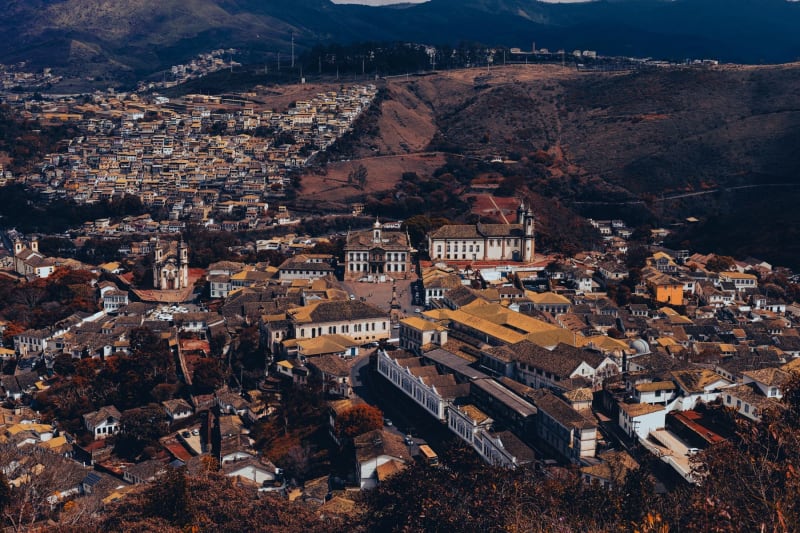 brazil
 Ouro Preto
A Baroque masterpiece of black stone churches and gold-rush opulence tumbling down Minas Gerais hillsides.
Explore brazil
 Palmas
Brazil's newest state capital — a planned city on the Tocantins river, mostly known as the gateway to Jalapão.
Explore brazil
 Pantanal
The world's largest tropical wetland — jaguars, caimans, and more wildlife per square kilometer than the Amazon.
Explore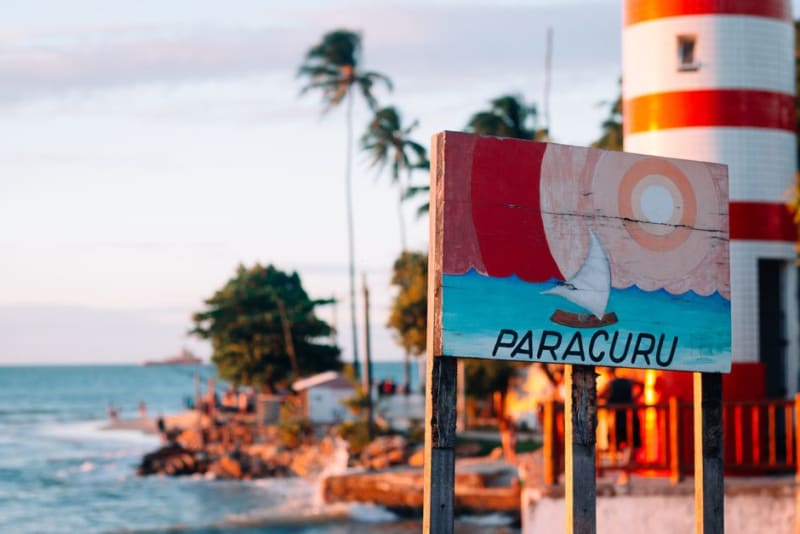 brazil
 Paracuru
A working fishing town with a serious left-hand point break, where surfers and jangada fishermen share the same stretch of water without much fuss.
Explore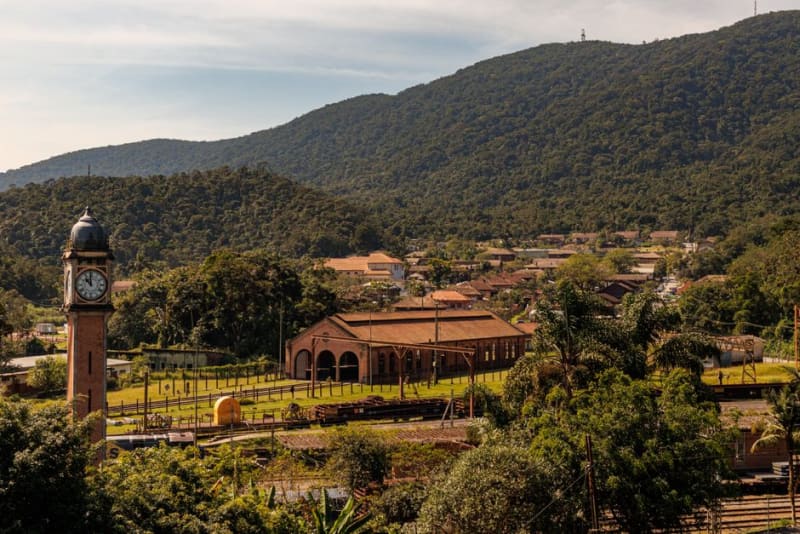 brazil
 Paranapiacaba
A Victorian-era English railway village hidden in the fog-bound mountains above São Paulo, built to move coffee and somehow still standing intact.
Explore