A UNESCO diamond-mining town clinging to the northern hills of Minas Gerais, further from everywhere than any colonial city its size has a right to be.
The drive up from Belo Horizonte takes the better part of four hours, the last stretch winding through the Serra do Espinhaço on roads that narrow and climb until the town appears almost without warning, tucked into a fold of the hills like it’s hiding from something. Lia fell asleep somewhere around the two-hour mark. I did not blame her. I nearly did too, and I was driving.
Diamonds, Not Gold
Diamantina made its fortune on diamonds rather than the gold that built Ouro Preto and Mariana, and the town carries that history with a slightly different texture — the same Baroque churches and cobblestones, but a rawer, more isolated feel, as though the wealth here was extracted with more effort and less ceremony. The Casa da Glória, a colonial building spanning the street on a stone arch, and the Catedral Metropolitana with its twin white towers anchor a historic centre that UNESCO recognized in 1999, and that recognition has done little to fill the town with tourists the way it has elsewhere.
Juscelino Kubitschek’s Hometown
Diamantina is also where Juscelino Kubitschek — the president who built Brasília out of nothing — grew up, and the modest house where he lived is now a small museum that tells his story with more warmth than the grandeur of his later project might suggest. Walking the same steep streets he would have known as a boy, past the same church facades, gave the visit a strange telescoping quality: the town that produced the man who built the most futuristic city on the continent is itself frozen two centuries in the past.
Vesperata and the Sound of the Hills
If you can time a visit to a Vesperata — a musical event unique to Diamantina, where a brass band performs from balconies along the Rua da Glória while the street below fills with candles and listeners — do it. We caught one by pure luck, the music echoing off stone facades in a way that made the whole street feel like a single instrument. Afterward we ate at a small restaurant serving the region’s version of comida mineira, heavier on smoked meats and jerked beef than the coastal version of Brazilian cooking, and slept better than we had in weeks.
When to go: April to September for dry weather and clear skies over the Serra do Espinhaço. Vesperata concerts are held periodically throughout the year — check local listings before you go, since the schedule is not fixed.
Keep exploring
More from Brazil
 brazil
 Embu das Artes
A weekend antiques fair that swallows an entire colonial town on the edge of São Paulo, and the best afternoon I've spent bargaining badly.
Explore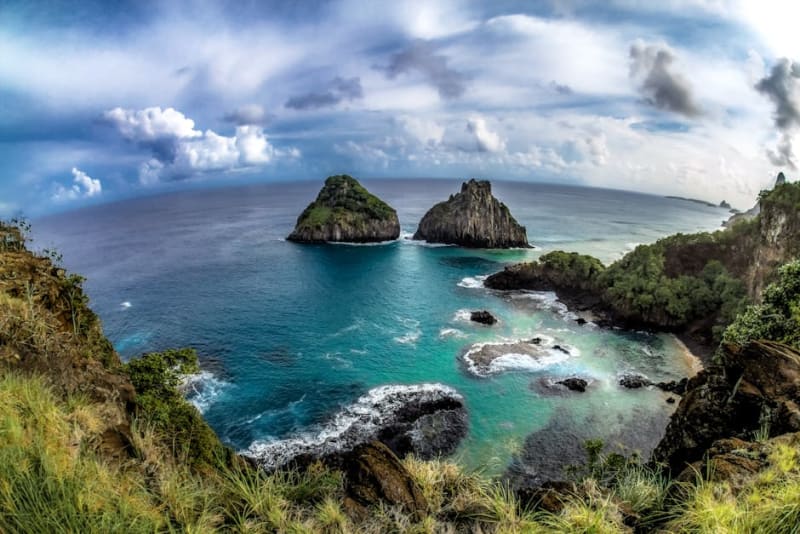 brazil
 Fernando de Noronha
Brazil's most exclusive archipelago — volcanic peaks, spinner dolphins, and beaches that consistently rank among the world's best.
Explore brazil
 Florianopolis
An island of forty-two beaches, Azorean fishing villages, and the kind of surf-and-oyster lifestyle that ruins you for anywhere else.
Explore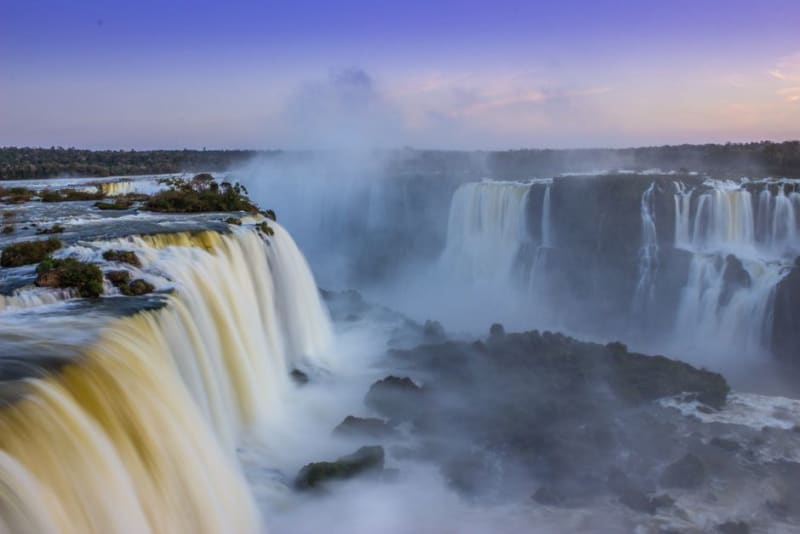 brazil
 Foz do Iguaçu (Town)
The tri-border city that exists to serve the falls next door, and turns out to have its own reasons for a longer stay.
Explore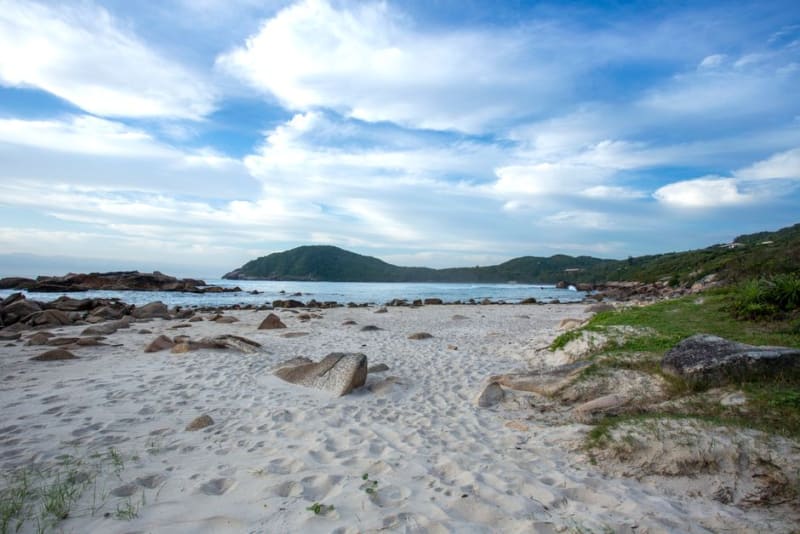 brazil
 Garopaba
A former whaling town turned Santa Catarina surf hub, quieter and more local than its famous neighbor Praia do Rosa.
Explore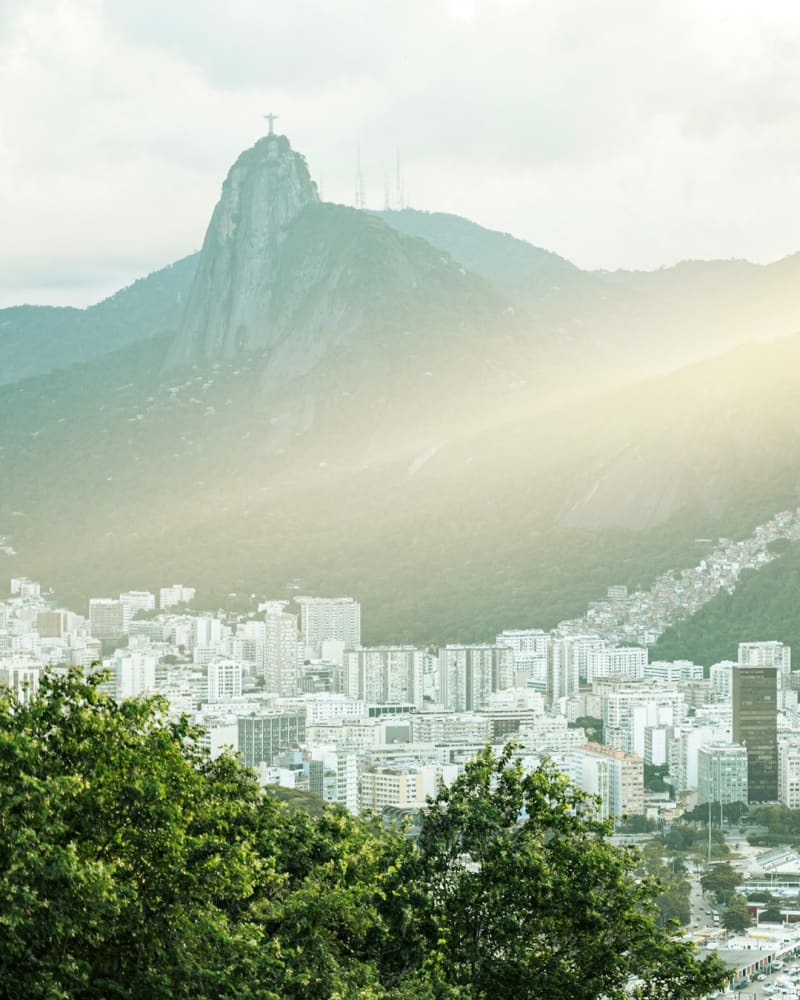 brazil
 Genipabu
A wall of towering dunes just north of Natal, where buggies race the ridgelines and camels wait at the bottom for a photo that everyone takes anyway.
Explore