A dune-and-lagoon kitesurf town twenty minutes from Fortaleza, where the wind is a scheduling problem and buggy rides are the local taxi service.
I did not expect to plan an entire week around a wind forecast, but that is what Cumbuco does to you. The town sits twenty minutes west of Fortaleza on a strip of coast where the trade winds hit with such reliability between August and January that half the businesses on the main drag exist purely to rent, teach, or repair kitesurfing equipment. Lia had never kited before we arrived. By day four she was cutting upwind turns I could not follow with my eyes, grinning at me from fifty meters out like she’d been doing it for years instead of days.
The Lagoon and the Dune Buggy Economy
The kitesurfing itself happens mostly on Lagoa do Cauípe, a shallow, warm lagoon separated from the ocean by a dune ridge, flat enough for beginners and wide enough that forty kites can be in the air at once without anyone colliding. Getting there means a buggy ride over loose sand, and in Cumbuco the buggy is less a tourist activity than the actual local transit system — drivers who’ve been running the same dune tracks for twenty years take the descents at an angle that made me grip the roll bar harder than I wanted to admit.
We spent one long afternoon on a buggy tour that looped past Lagoa do Cauípe, over a dune field so pale it looked bleached, and down to a beach where a family had set up a barraca selling grilled shrimp on skewers and cold coconut water. The driver, a man named Beto who’d been ferrying tourists across these dunes since before Cumbuco had paved roads, told us the wind used to be a nuisance before someone figured out you could ride it. Now it’s the whole economy.
Learning, Slowly, Not to Fight the Wind
I took two lessons at a kite school near the main beach, mostly because Lia refused to let me spend the week watching from a beach chair. The instructor, patient in the specific way that people who teach beginners something dangerous have to be, spent the first hour just having me fly the kite on land, feeling how it pulled and released. It is less about strength than about reading the wind’s intentions a half-second before it acts on them — a skill that, predictably, I did not acquire in two lessons. Lia, more predictably, mostly did.
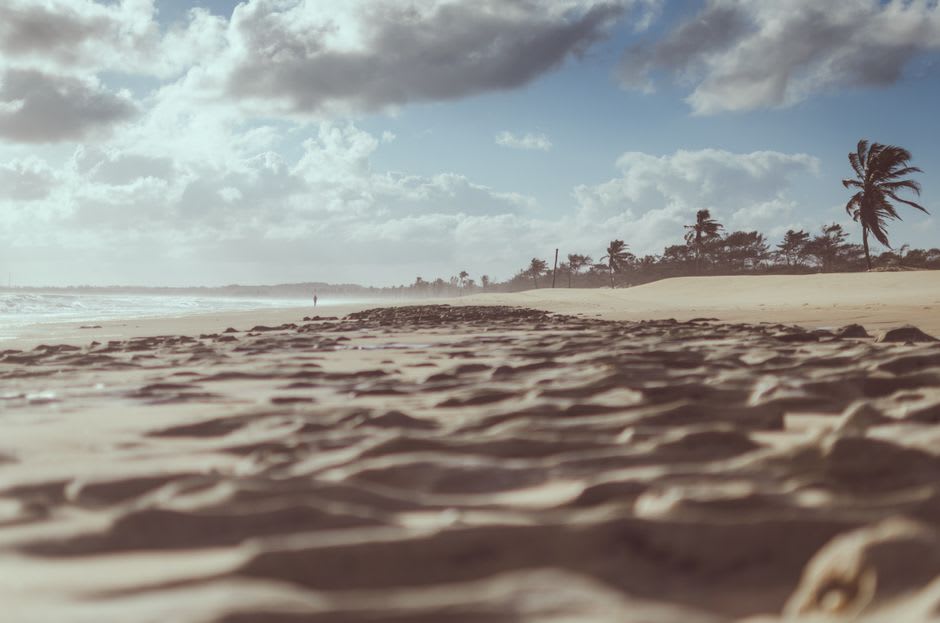
By evening, the kites come down and the town shifts register entirely — beachfront bars with caipirinhas and forró drifting from speakers, the whole crowd of instructors and students and dune buggy drivers converging on the same few blocks. It felt less like a resort town and more like a very specific, very committed subculture that happened to have a beach attached.
When to go: August through January for the strongest, most consistent wind and peak kitesurf season. February through June is calmer and quieter, better if you want the beach without the crowd of kites overhead.
Keep exploring
More from Brazil
 brazil
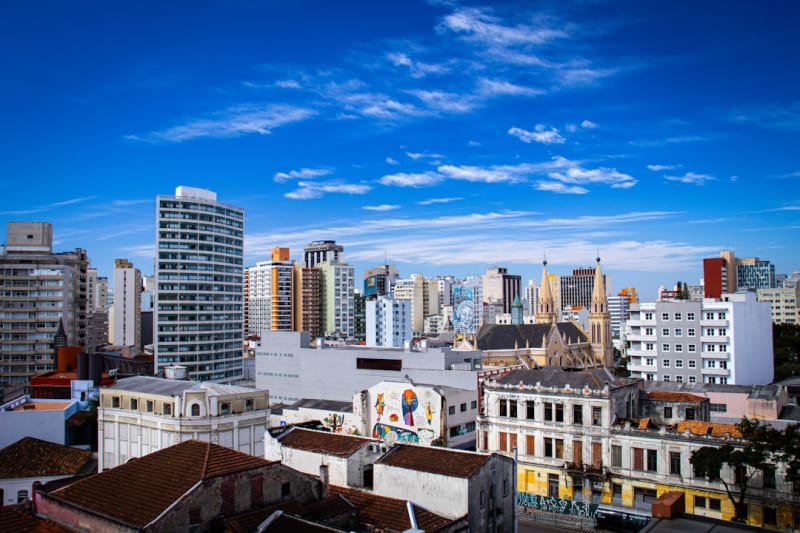
 Curitiba
Brazil's model city — a masterclass in urban planning, a glass botanical garden, and proof that a capital doesn't need a beach to be worth the trip.
Explore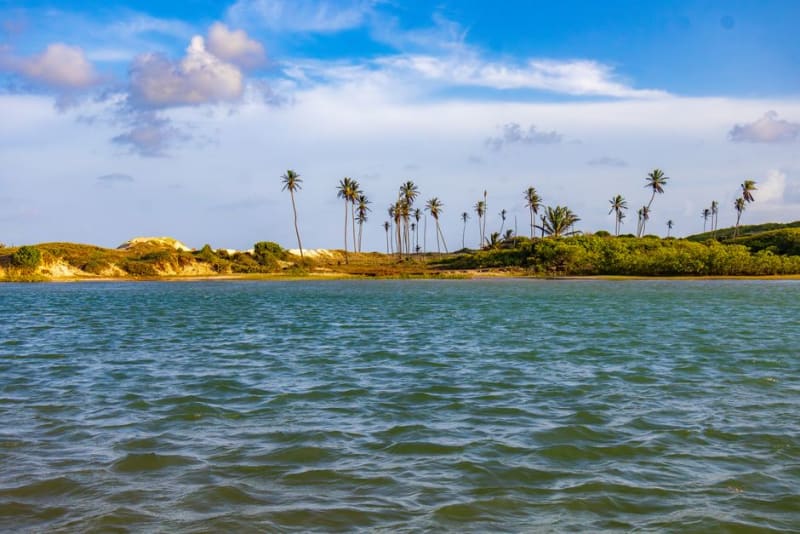 brazil
 Delta do Parnaíba
One of the few open river deltas on the planet, where the Rio Parnaíba fractures into dozens of channels and mangrove islands before reaching the Atlantic.
Explore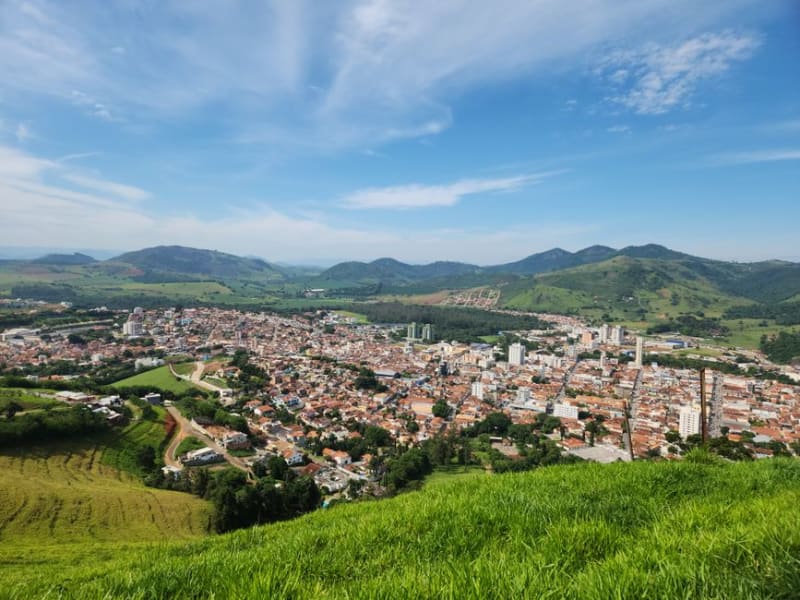 brazil
 Diamantina
A UNESCO diamond-mining town clinging to the northern hills of Minas Gerais, further from everywhere than any colonial city its size has a right to be.
Explore brazil
 Embu das Artes
A weekend antiques fair that swallows an entire colonial town on the edge of São Paulo, and the best afternoon I've spent bargaining badly.
Explore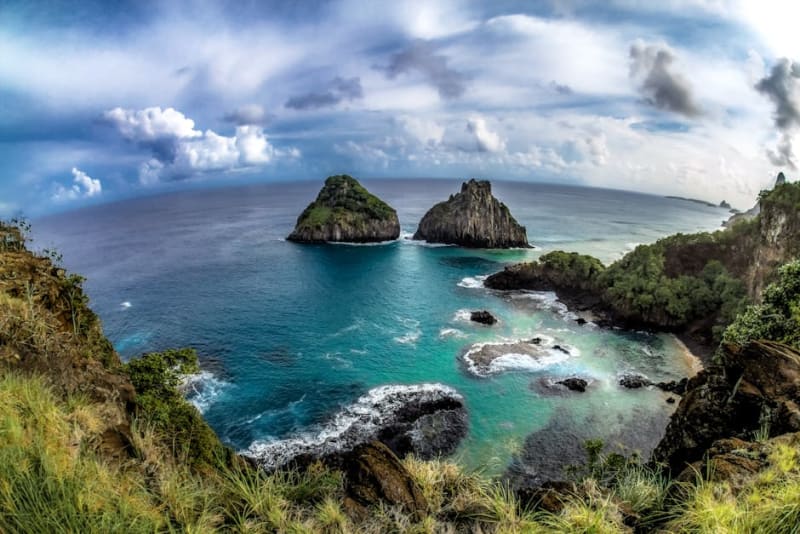 brazil
 Fernando de Noronha
Brazil's most exclusive archipelago — volcanic peaks, spinner dolphins, and beaches that consistently rank among the world's best.
Explore brazil
 Florianopolis
An island of forty-two beaches, Azorean fishing villages, and the kind of surf-and-oyster lifestyle that ruins you for anywhere else.
Explore