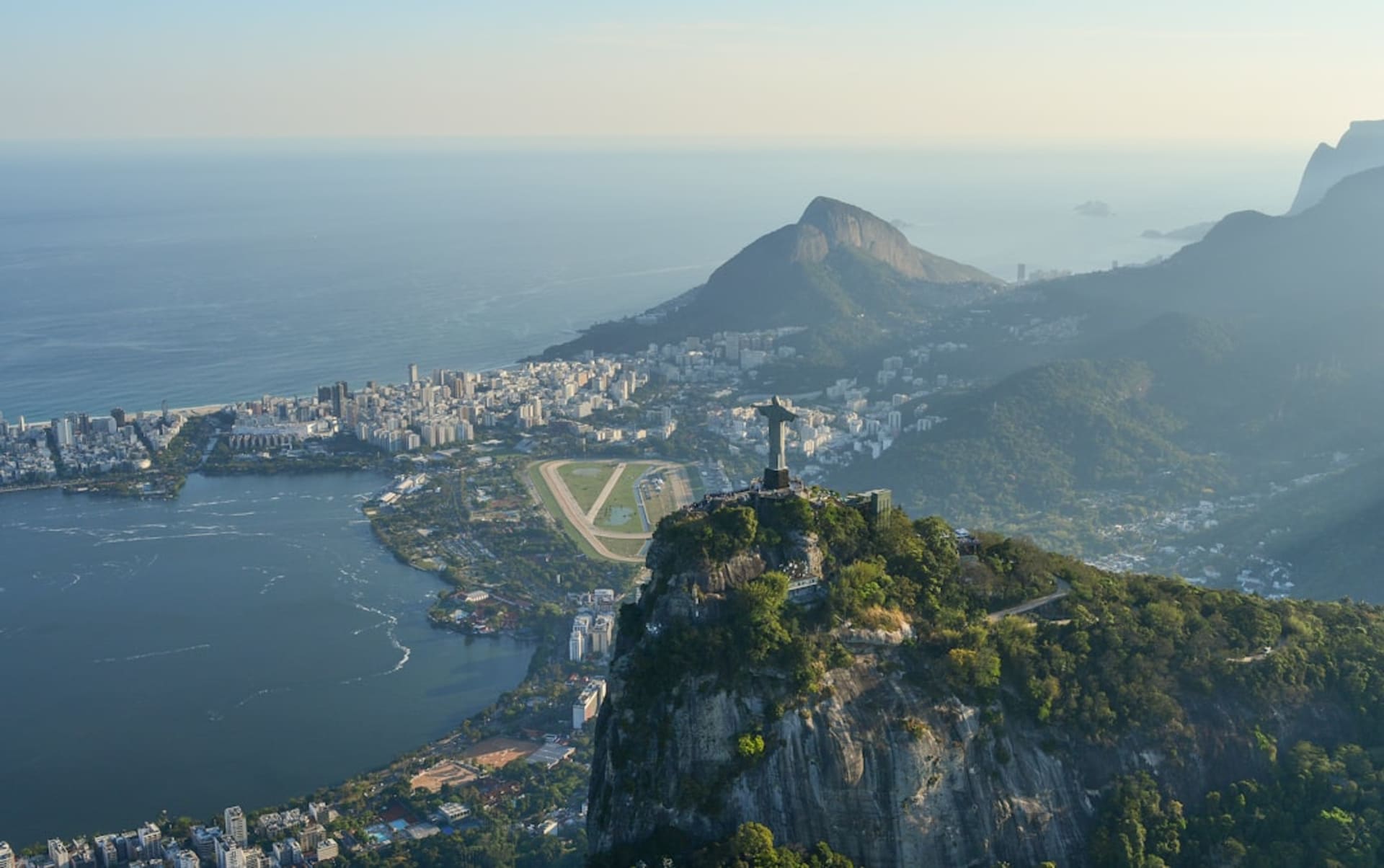
The statue everyone has seen a thousand times in photographs, and the twenty minutes of standing beneath it that no photograph prepares you for.
I had seen Christ the Redeemer so many times before ever seeing it that I half-expected to feel nothing — the fate of every over-photographed monument, from the Eiffel Tower to the Taj Mahal, where familiarity dulls the actual encounter. Corcovado proved me wrong within about thirty seconds of stepping off the train.
The approach matters as much as the summit. The cog railway, a red funicular that has been climbing this mountain since 1884, cuts straight up through the Tijuca Forest, the largest urban rainforest on the planet, and for twenty minutes you are enclosed in dense green canopy with almost no sense of the city below. Then the train stops, you climb a short set of steps or take the escalators, and you emerge onto a platform where the forest simply ends and the statue appears above you — thirty metres of soapstone-clad concrete, arms flung open against whatever sky Rio has decided to give you that day.
What the photographs never convey is the scale relative to the view behind it. Turn away from the statue and the whole of Rio unfolds at once — Sugarloaf and Guanabara Bay to one side, Ipanema and Copacabana curling along the coast to the other, the Tijuca massif behind you, Maracanã stadium a small oval somewhere in the urban sprawl below. It is, without exaggeration, one of the widest single views a city has ever offered of itself. I stood at the railing longer than I meant to, doing the thing tourists do where you keep taking the same photo because the light keeps changing slightly and you can’t quite let it go.
The statue itself, completed in 1931 and funded partly by public donations after a fundraising campaign called “Semana do Monumento,” was struck by lightning as recently as 2014, chipping a finger and an eyebrow that have since been restored. It is an Art Deco monument as much as a religious one, designed by French sculptor Paul Landowski and engineered by a Brazilian, Heitor da Silva Costa — a genuinely binational effort that gets flattened in most retellings into a single postcard fact.
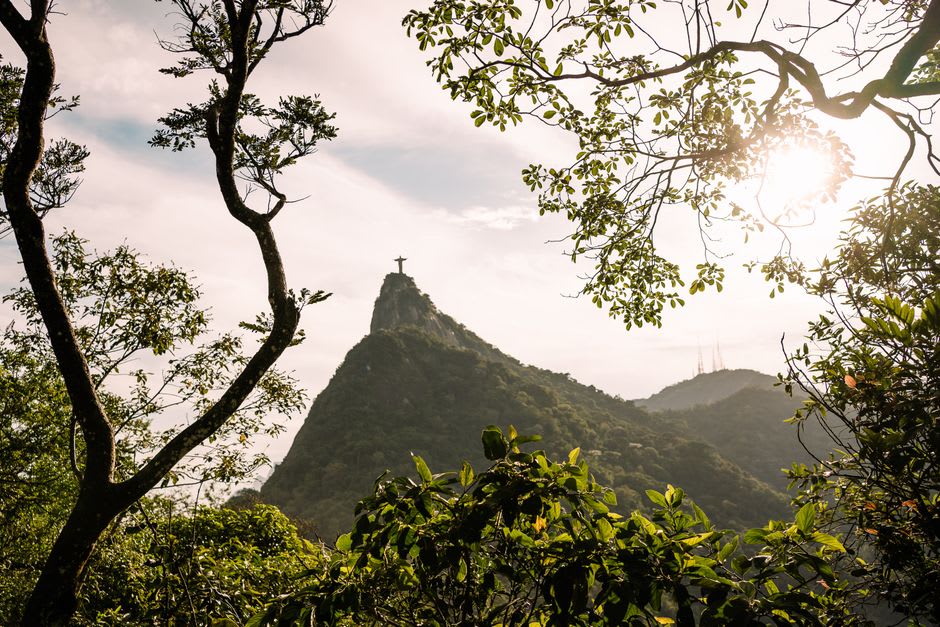
Practically speaking: buy tickets online in advance and pick an early morning or late afternoon slot — midday brings both the harshest light for photos and the thickest crowds, funnelled up in waves by the train schedule. Cloud cover is genuinely common; check a live webcam before committing to a time slot, because a summit wrapped in fog is a real possibility and there’s no changing your mind once you’re on the train.
When to go: Early morning (first departures) for clear light and thin crowds, or dry season months (May to September) for the best odds against cloud cover.
Keep exploring
More from Brazil
 brazil
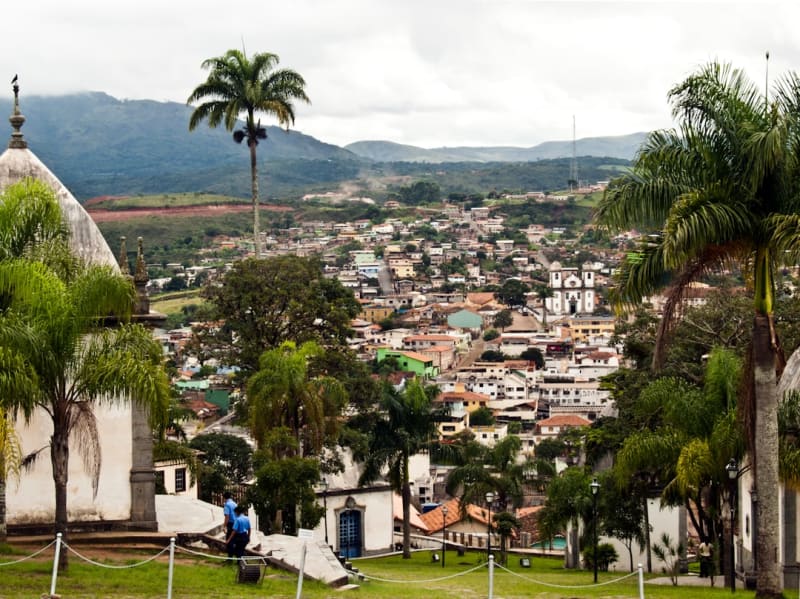
 Congonhas
A pilgrimage town in Minas Gerais built around twelve soapstone prophets carved by a man who lost the use of his hands and kept working anyway.
Explore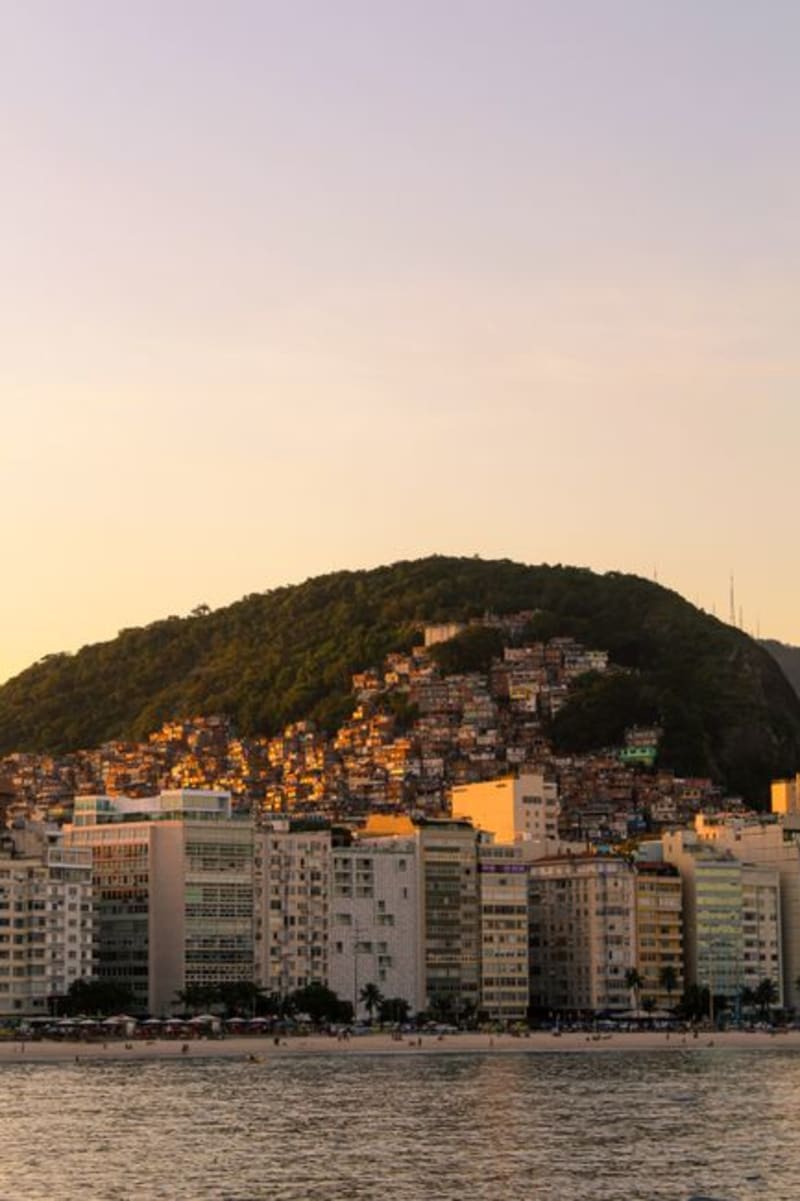 brazil
 Copacabana
The most famous curve of sand on the planet, where four kilometres of wave-pattern promenade hold a whole city's social life and, once a year, two million fireworks watchers.
Explore brazil
 Corumbá
A river city on the Bolivian border where the Pantanal meets the Paraguay River — quiet, humid, and unmistakably a frontier.
Explore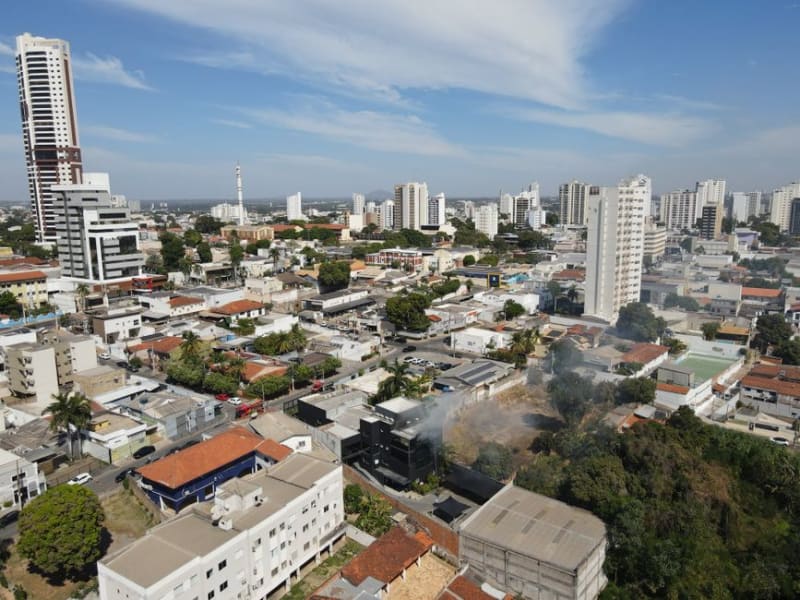 brazil
 Cuiabá
Mato Grosso's sweltering capital, and the launch point for the Transpantaneira and the northern Pantanal's jaguar country.
Explore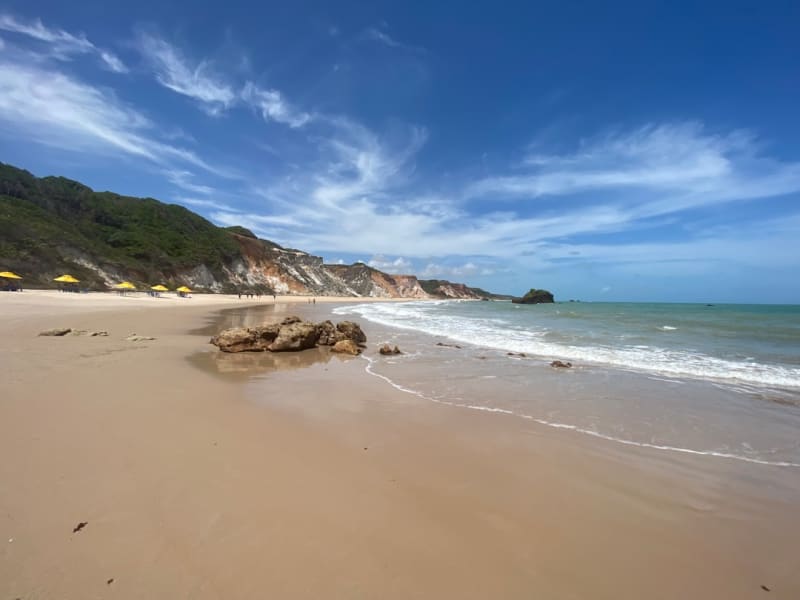 brazil
 Cumbuco
A dune-and-lagoon kitesurf town twenty minutes from Fortaleza, where the wind is a scheduling problem and buggy rides are the local taxi service.
Explore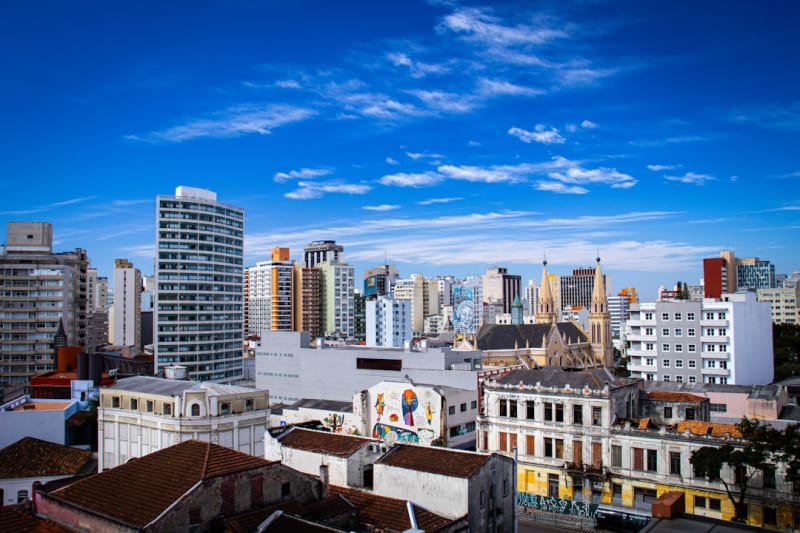 brazil
 Curitiba
Brazil's model city — a masterclass in urban planning, a glass botanical garden, and proof that a capital doesn't need a beach to be worth the trip.
Explore