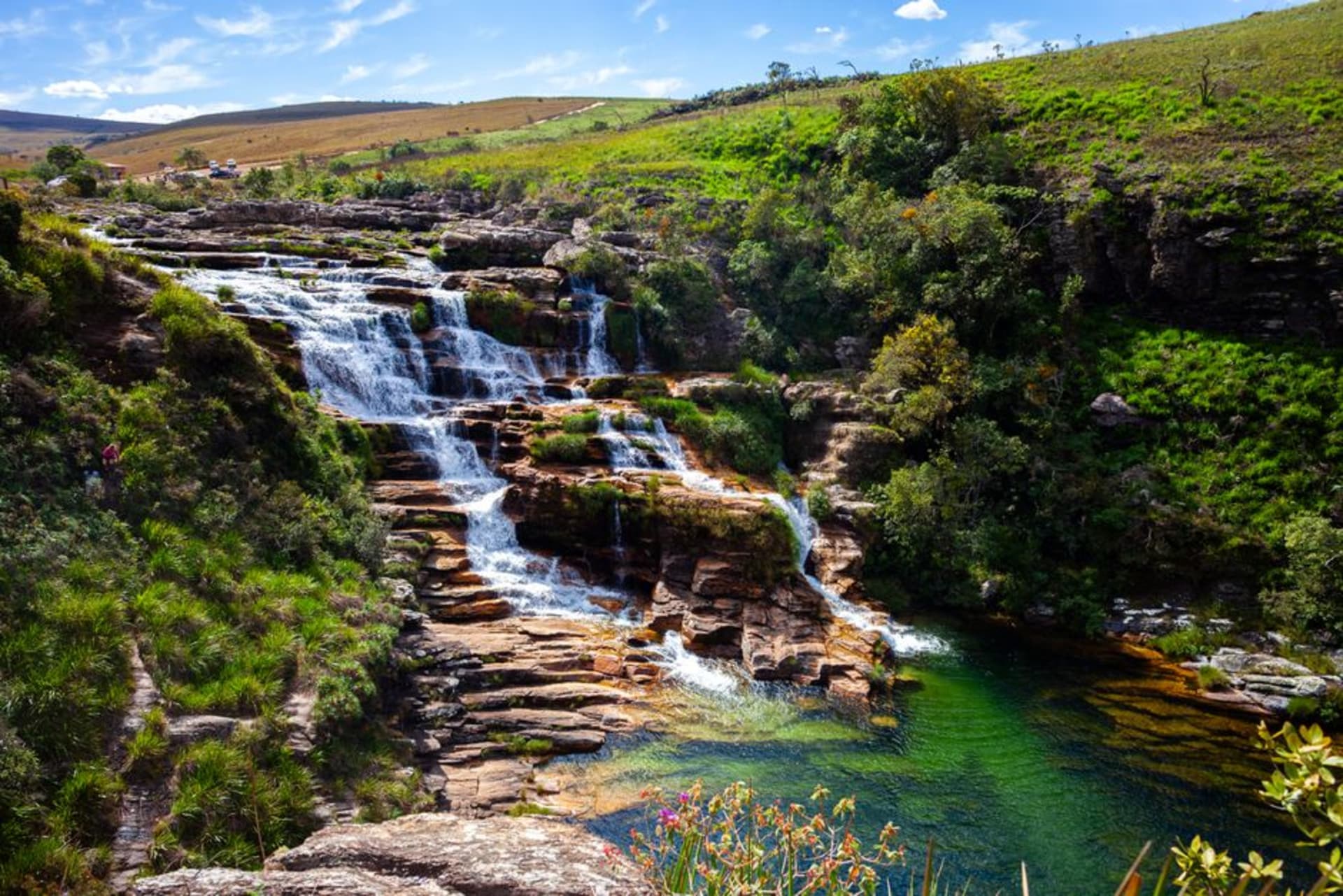
Cachoeira
"Salvador is where Afro-Brazilian culture is visible. Cachoeira is where I understood it goes much deeper than visible."
A colonial river town in Bahia's Reconcavo, heartland of Candomble and one of the deepest wells of Afro-Brazilian culture in the country.
I had been in Salvador long enough to think I understood something about Bahia’s African heritage — the food, the music, the orixás referenced in murals and shop names across the Pelourinho. A friend in the city corrected me gently over dinner: “You haven’t seen anything until you’ve been to Cachoeira.” Two hours inland by bus, across the Reconcavo’s sugar-cane flatlands, I found a town that made Salvador’s version feel like an introduction to a much longer book.
A Wealthy Past, Preserved by Neglect
Cachoeira grew rich in the eighteenth and nineteenth centuries on sugar and tobacco moved along the Paraguaçu river, and the wealth built a townscape of grand colonial mansions, ornate churches, and a stone bridge — the Ponte Dom Pedro II — that still carries traffic across the water. The town’s later economic decline, ironically, is why so much of it survived intact; there was never enough money to tear the old buildings down and build something newer. UNESCO recognition eventually followed, but Cachoeira wears its heritage status lightly, without the polish of a place performing for visitors.
The Center of Candomble
Cachoeira is widely considered the spiritual capital of Candomblé in Brazil, home to some of the religion’s oldest and most respected terreiros. I was fortunate to be shown around one, briefly and respectfully, by a friend of a friend who made clear how much of what happens there is not for outside consumption — a boundary I was glad to have explained before I arrived rather than after I overstepped it. The town’s irmandades, lay religious brotherhoods with roots stretching back to enslaved and free Black communities of the colonial era, still process through the streets during specific festivals, drums and call-and-response singing filling streets that are silent the rest of the year.
A Town That Moves at River Speed
Away from its religious significance, Cachoeira simply feels slow in the specific way river towns do. We ate a long lunch of moqueca de peixe at a restaurant overlooking the water, watched a wooden boat load sacks of manioc flour at the town dock, and walked the Praça da Aclamação as the afternoon heat thinned out toward evening.
When to go: August for the Festa da Boa Morte, a significant Afro-Brazilian religious festival, though visitors should approach with particular cultural sensitivity and ideally a local guide. Otherwise, May to September for cooler, drier weather.
Keep exploring
More from Brazil
 brazil
 Campo Grande
The Cidade Morena — Mato Grosso do Sul's red-earth capital and the practical gateway to the Pantanal and Bonito.
Explore brazil
 Campos do Jordão
A mountain town that decided to look Swiss and mostly succeeds, where São Paulo goes to wear a coat and drink fondue in July.
Explore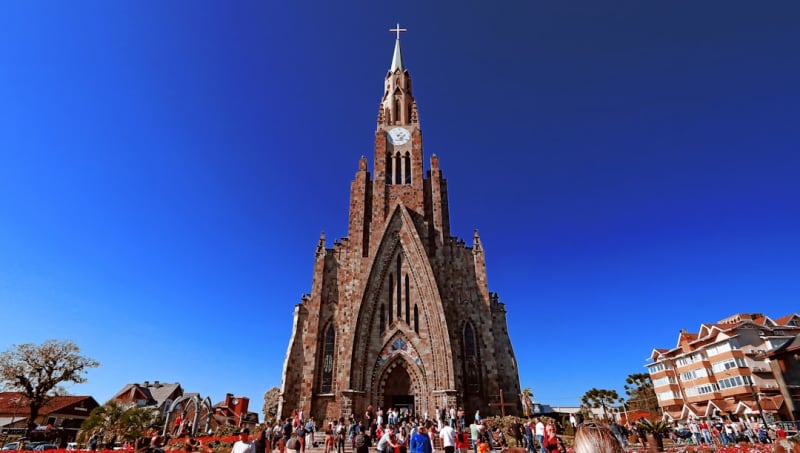 brazil
 Canela
Gramado's quieter mountain neighbour, built around a Gothic cathedral and one of southern Brazil's most dramatic waterfalls.
Explore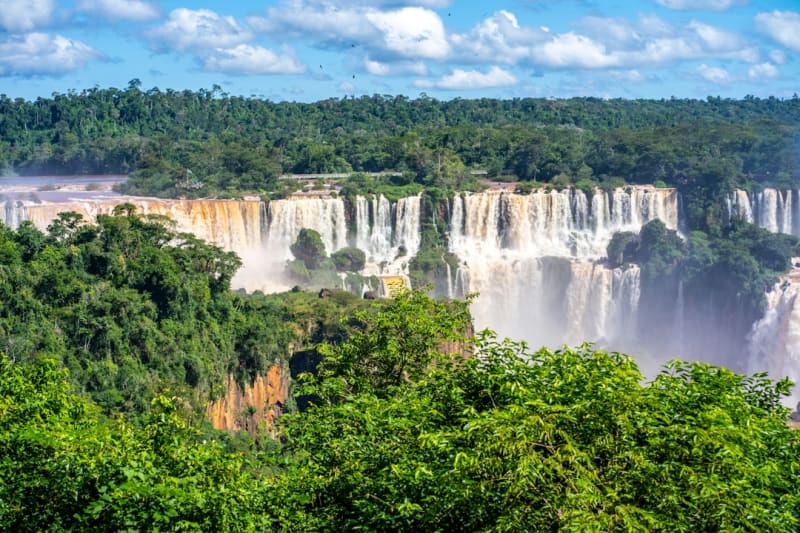 brazil
 Capitólio
A reservoir in southern Minas Gerais where the flooded canyon walls of the Rio São Francisco have earned it the nickname 'Brazilian Fiordland,' waterfalls and all.
Explore brazil
 Carolina
A quiet southern Maranhão town built around the Cachoeira de Itapecuru, a wide curtain waterfall that locals swim beside like it's an ordinary Tuesday.
Explore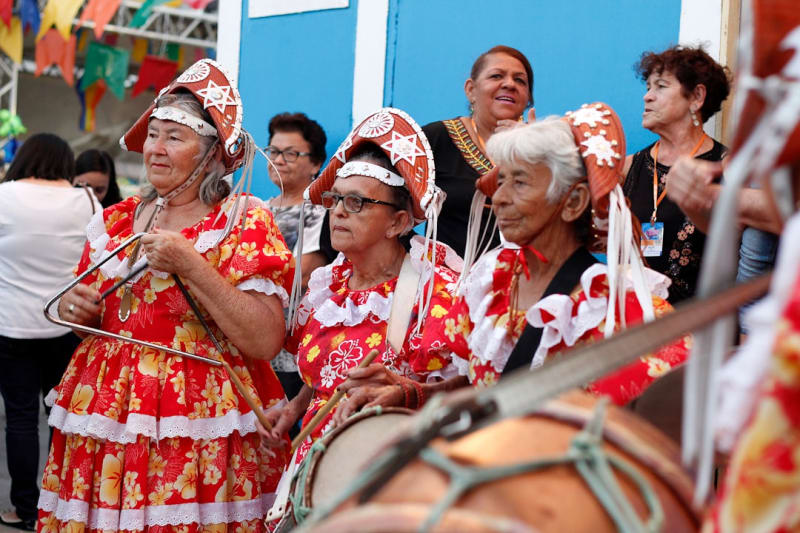 brazil
 Caruaru
The interior capital of forró and São João, where the biggest street party outside carnival takes over an entire Pernambuco town every June.
Explore