Búzios
"Búzios has been famous for sixty years and still hasn't figured out how to be jaded about it."
A fishing village Brigitte Bardot fell for in 1964 and never quite let go of, now a peninsula of cobblestone lanes, twenty-something beaches, and languid glamour.
The story gets told to every visitor within the first hour, and it happens to be true: in 1964, Brigitte Bardot arrived in Búzios with her Brazilian boyfriend, fell for the sleepy fishing village, and the resulting attention transformed an obscure peninsula into one of Latin America’s most fashionable coastal escapes. A bronze statue of her now sits on the main promenade, gazing at the sea she made famous, and the town’s main pedestrian street is named Rua das Pedras in her honour of sorts — cobblestoned, lined with boutiques and restaurants, and packed every evening with a crowd that has clearly dressed for the occasion.
I arrived from Rio by a shared van, a three-hour ride up the Costa do Sol that felt considerably longer in the back seat, and the payoff on arrival was immediate: a peninsula with more than twenty distinct beaches packed into a stretch of coastline you could walk end to end in a day, each with its own personality. Praia da Ferradura, shaped like a horseshoe and almost entirely sheltered, has water so calm it barely counts as ocean. Praia Brava, on the exposed Atlantic side, delivers real surf for anyone who wants it.
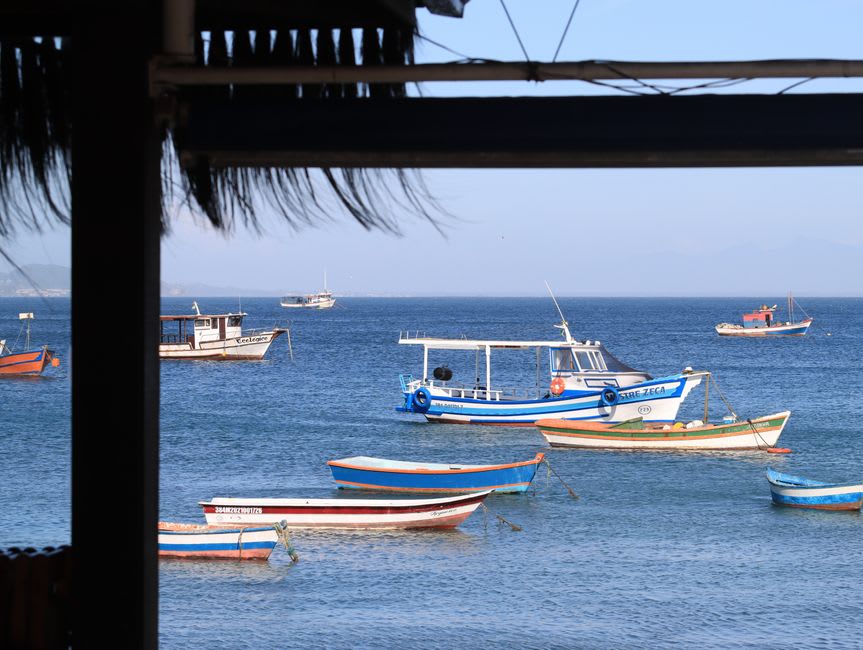
The best way to see the peninsula properly is by schooner — wooden boats that leave the main harbour each morning on loops around the coastline, stopping at three or four beaches accessible only by water. I took one with Lia on a clear February morning, and the crew treated the caipirinha-making as seriously as the sailing, refilling cups constantly while anchoring at coves with names I forgot instantly and water clear enough to watch fish move between our shadows and the sand.
Praia de João Fernandes and its neighbour João Fernandinho, both reachable by a short walk or a quick boat ride from the centre, are the postcard beaches — turquoise water, granite headlands, beach bars serving grilled fish to chairs planted directly in the sand. By late afternoon the town’s centre fills back up, restaurants along Rua das Pedras open their doors, and the evening becomes its own kind of performance: couples strolling, live music drifting from open-air bars, ice cream that somehow tastes better here than it has any right to.
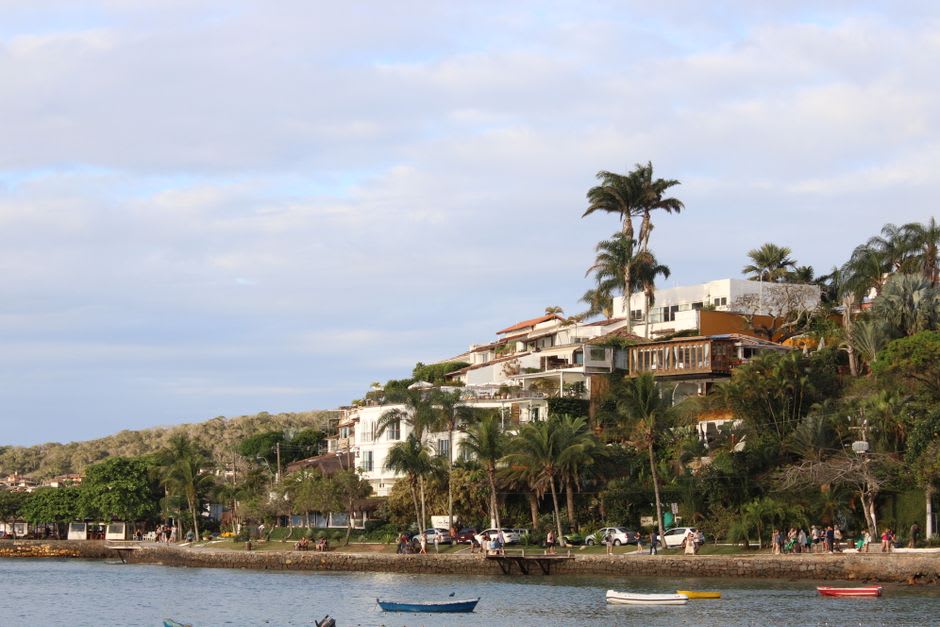
Búzios is more polished and pricier than most of the Costa Verde towns further south, and it knows it — but it has earned the reputation honestly, with genuine natural beauty doing most of the work behind the boutique prices.
When to go: September to November or April to June for warm weather without the peak-season crowds. December to February brings Rio’s summer holiday-makers en masse and prices climb accordingly.
Keep exploring
More from Brazil
 brazil
 Caburé
A sliver of sand village between the ocean and the Preguiças river, reached only by boat, where cashew trees grow sideways and the sunset show has no audience competition.
Explore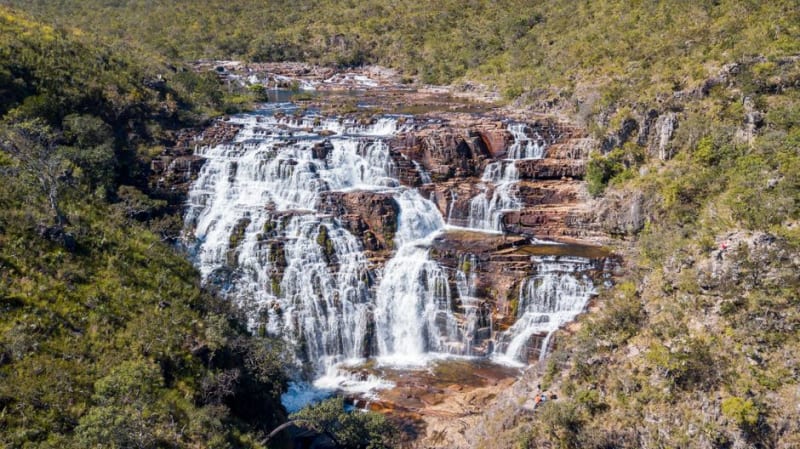 brazil
 Cachoeira
A colonial river town in Bahia's Reconcavo, heartland of Candomble and one of the deepest wells of Afro-Brazilian culture in the country.
Explore brazil
 Campo Grande
The Cidade Morena — Mato Grosso do Sul's red-earth capital and the practical gateway to the Pantanal and Bonito.
Explore brazil
 Campos do Jordão
A mountain town that decided to look Swiss and mostly succeeds, where São Paulo goes to wear a coat and drink fondue in July.
Explore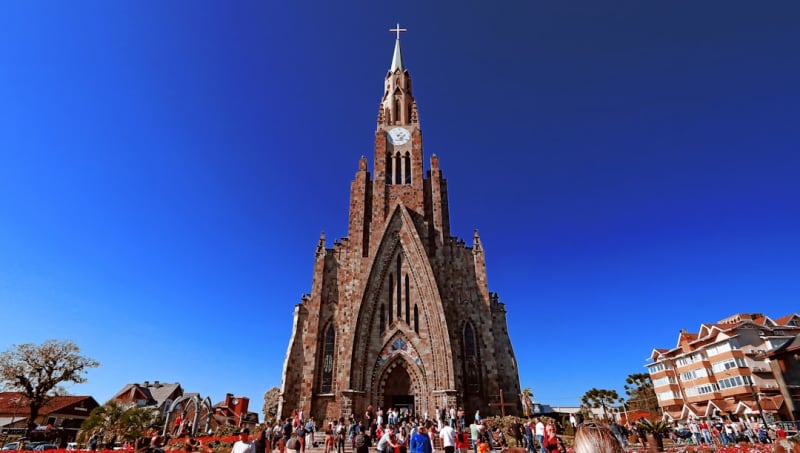 brazil
 Canela
Gramado's quieter mountain neighbour, built around a Gothic cathedral and one of southern Brazil's most dramatic waterfalls.
Explore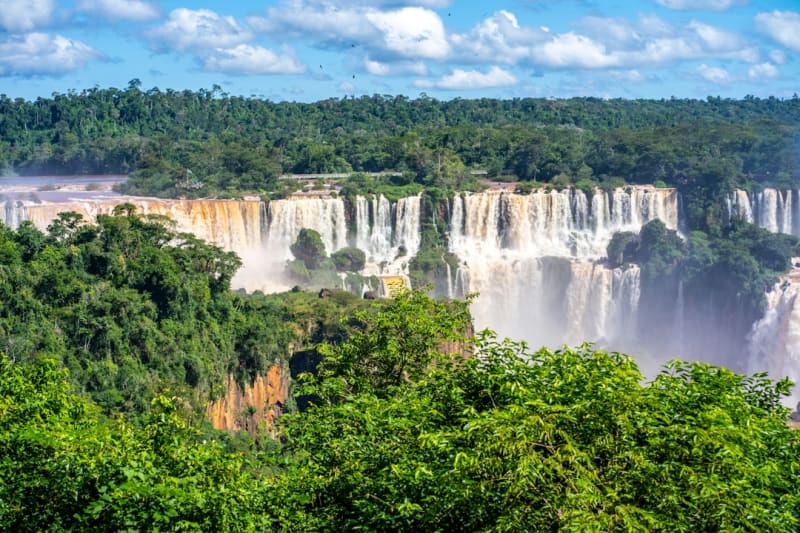 brazil
 Capitólio
A reservoir in southern Minas Gerais where the flooded canyon walls of the Rio São Francisco have earned it the nickname 'Brazilian Fiordland,' waterfalls and all.
Explore