Arraial d'Ajuda
"Trancoso's louder, cheaper, more sunburnt little sibling — and I mean that as a compliment."
A bohemian beach village across the river from Porto Seguro, close enough to Trancoso to share its coastline but scrappier, cheaper, and less curated.
Getting to Arraial d’Ajuda requires a short ferry crossing over the Rio Buranhém from Porto Seguro, a five-minute ride that somehow functions as a decompression chamber. The engine cuts, the crossing takes barely long enough to finish a conversation, and you step off onto a village that has spent decades absorbing backpackers, hippies, and off-season surfers into a scene that never quite hardened into anything precious. Lia called it “Trancoso if Trancoso had let its hair down,” which is unfair to Trancoso and also exactly right.
Rua do Mucugê
The main pedestrian drag, Rua do Mucugê, runs sandy and car-free past capoeira circles, craft jewelry stalls selling shell necklaces and woven bracelets, and bars that start filling well before sunset. It has a scruffier, more collegiate energy than Trancoso’s manicured Quadrado — cheaper caipirinhas, louder reggae, a crowd that skews younger and less interested in the boutique pousada rates a twenty-minute walk away. We ate acarajé from a cart three nights running because the woman running it remembered our order by the second visit.
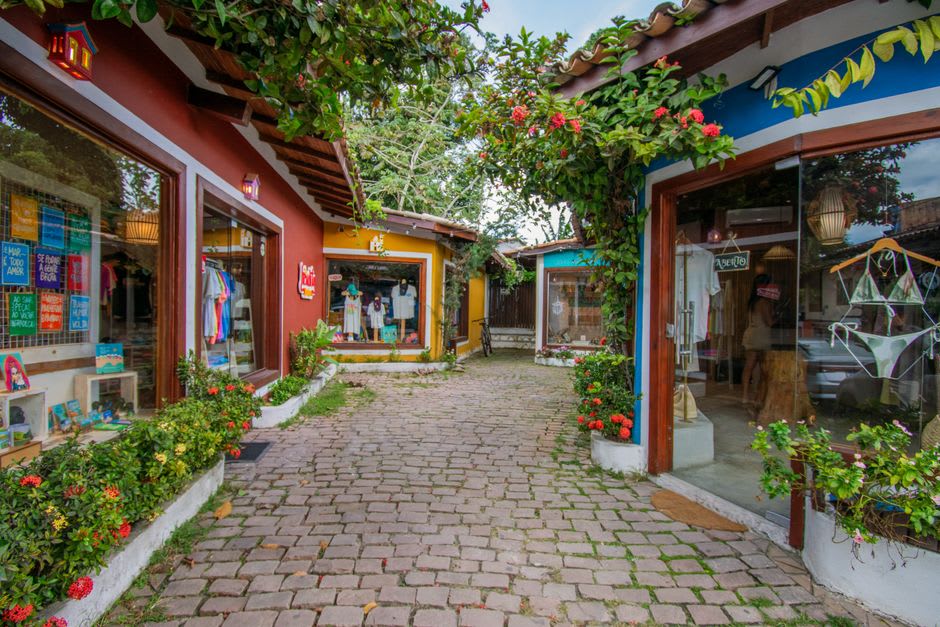
Praia do Mucugê and the Cliff Beaches
The beaches below the village share the same red-cliff geography as Trancoso, just to the south — Praia do Mucugê and Praia Parracho, with reef formations that trap warm, calm pools at low tide. We spent an afternoon at Parracho floating in water barely deeper than a bathtub, watching kitesurfers work the wind further out past the reef line. It’s a gentler swim than the open Atlantic beaches further south, good for exactly the kind of unambitious floating we had planned.
The Backpacker Undercurrent
What Arraial has that its more polished neighbor doesn’t is a genuine backpacker circuit — hostels with communal kitchens, capoeira classes advertised on hand-painted signs, a nightly drum circle that forms on the beach without any obvious organizer. It felt like the version of coastal Bahia that existed before Trancoso’s international reputation set in, still running on its own unhurried schedule.
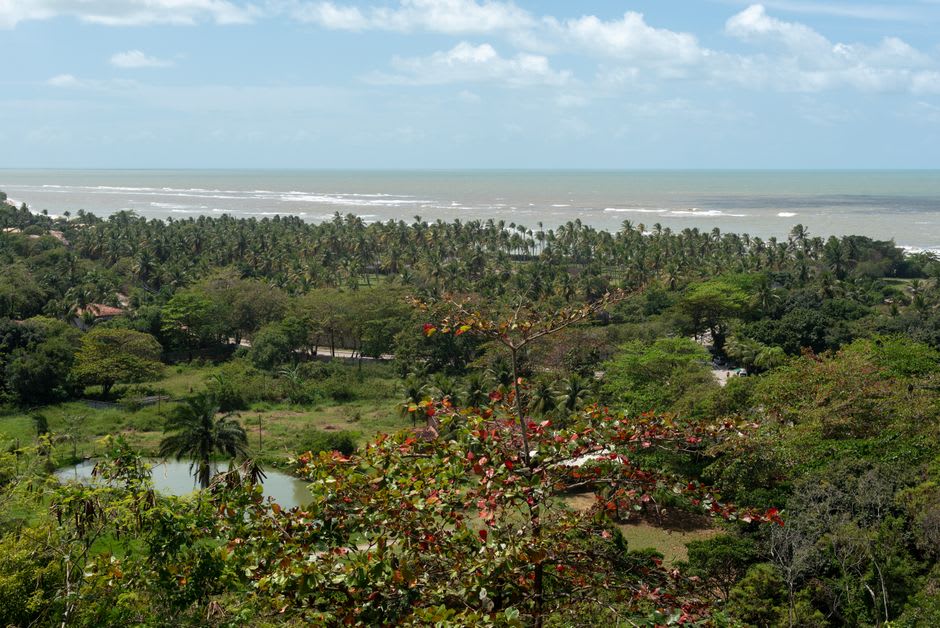
When to go: December through February is loud, hot, and packed with Brazilian holidaymakers. April through June or September through November keep the warmth with a far calmer village rhythm.
Keep exploring
More from Brazil
 brazil
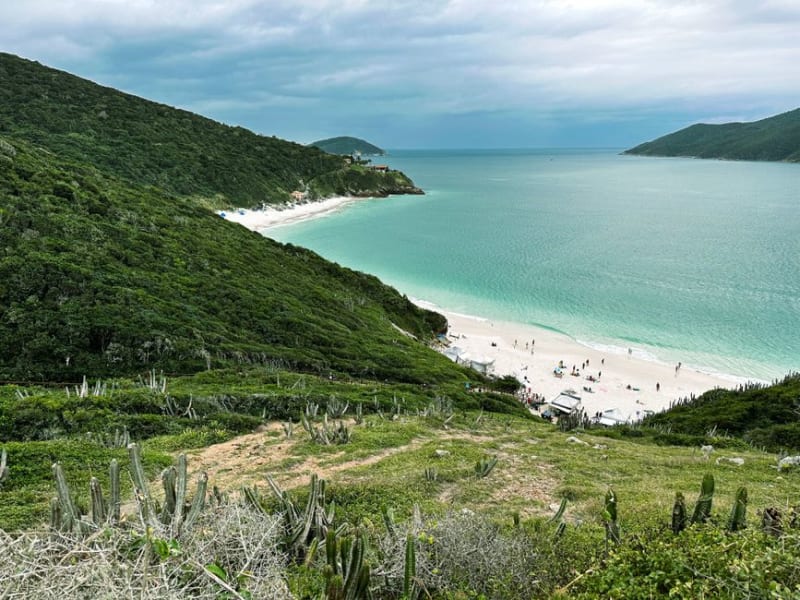
 Arraial do Cabo
The town that earned the nickname 'Brazilian Caribbean' — water clear enough to see your own feet from a boat, and some of the country's best diving a short drop below.
Explore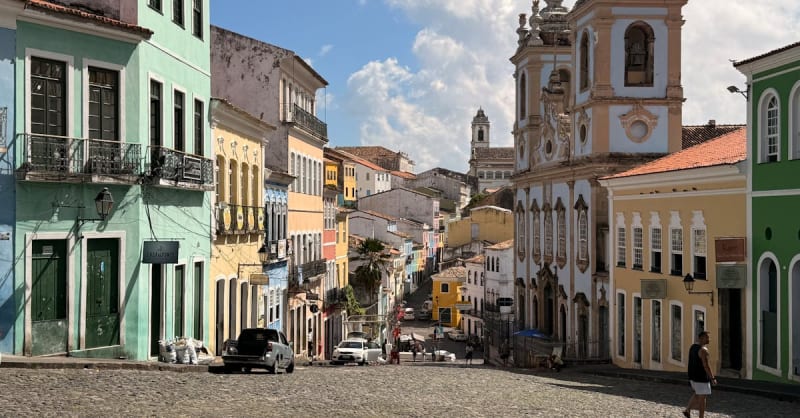 brazil
 Bahia
Afro-Brazilian soul, dendê-oil cuisine, and a coconut-palm coastline that stretches forever. Bahia is Brazil's cultural heartbeat.
Explore brazil
 Balneário Camboriú
A high-rise beach resort city on the Santa Catarina coast that Brazilians only half-jokingly call their Miami — and Dubai, depending on the year.
Explore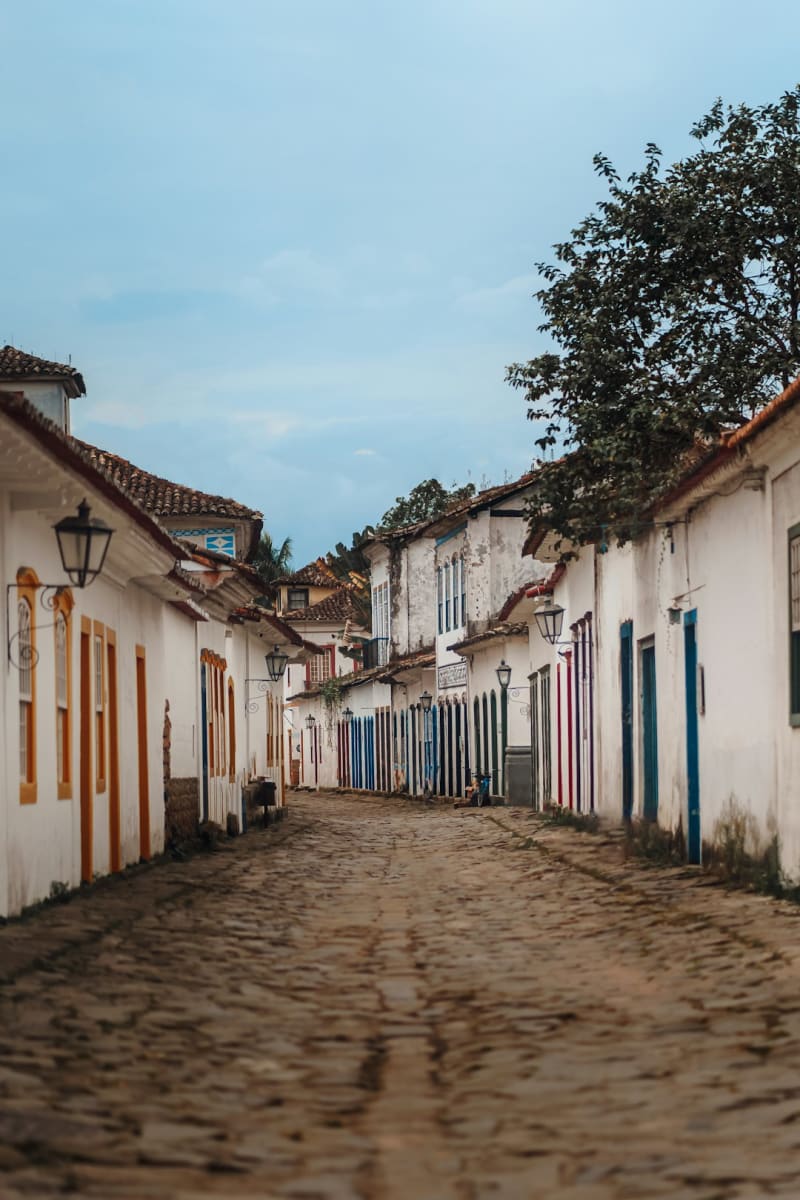 brazil
 Barreirinhas
The riverside gateway town to Lençóis Maranhenses, equal parts logistics hub and destination in its own right, strung along the lazy Rio Preguiças.
Explore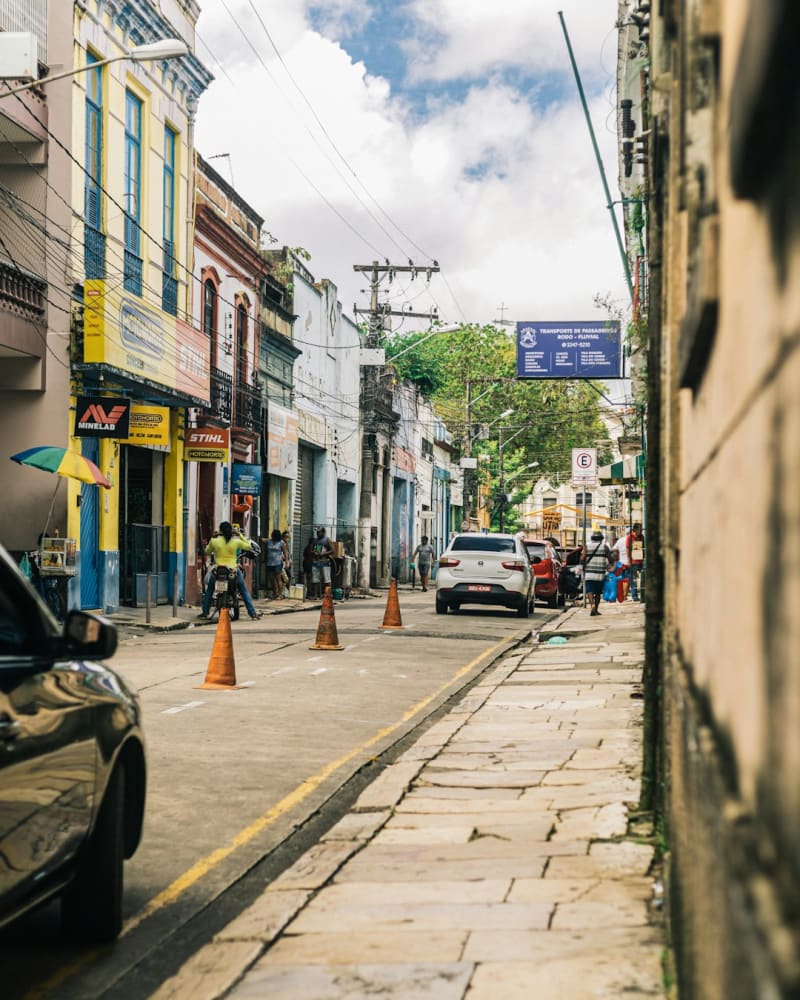 brazil
 Belém
The city where the Amazon meets the Atlantic — market chaos, mango-lined streets, and the best food I ate anywhere in Brazil.
Explore brazil
 Belo Horizonte
Brazil's most underrated big city, where the boteco is a way of life and every night out ends with a plate of pão de queijo and a beer you didn't plan on ordering.
Explore