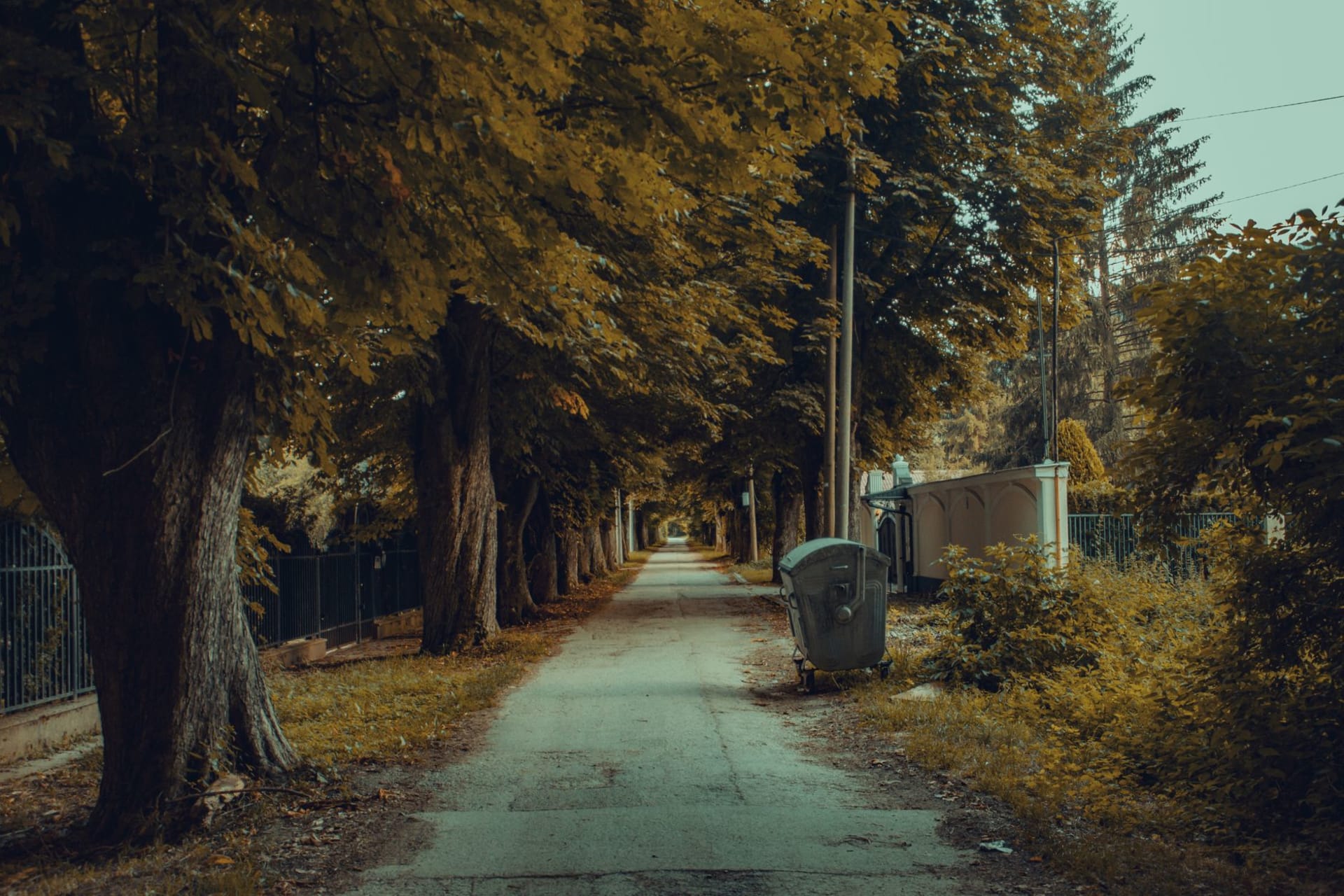
Travnik
"Andrić wrote his best work about Travnik while living in exile — which is the kind of biographical detail that explains everything about why writers leave places."
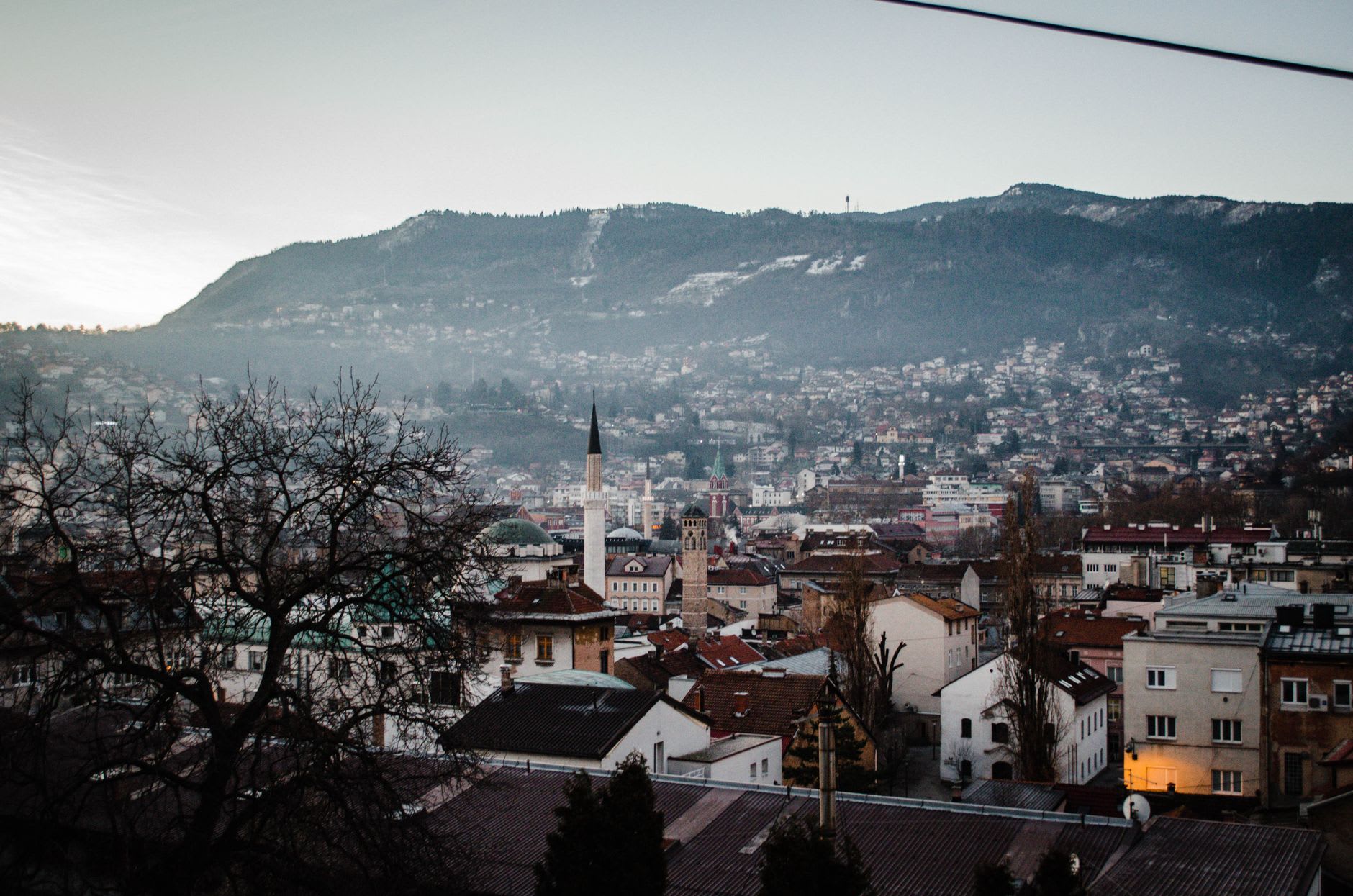
Travnik doesn’t announce itself the way Mostar does. Coming in from Sarajevo on the M5 road through the Lašva valley, the town appears gradually between the hills — the fortress outline on the ridge, then the minarets, then the town itself arranged along the river. I’d come because of Ivo Andrić, the Yugoslav Nobel laureate who was born here in 1892 and who set his novel Chronicle of Travnik — Travnička Hronika in Bosnian, The Days of the Consuls in English translation — in the town during the period when it was the seat of the Ottoman viziers of Bosnia. The novel is the best account I’ve read of how empires work at their peripheries, how local life accommodates foreign power, how cultures misread each other with confidence and disastrous consequences. Reading it before visiting the town was, in retrospect, the best travel preparation I’ve done for anywhere.
The fortress — Stari Grad — on the hill above is a Croatian-medieval structure that predates the Ottoman period, heavily restored and worth the climb for the views over the valley and the town below. From up there, Travnik’s street pattern makes sense in a way it doesn’t from street level: the old Ottoman core runs along the Šumeća stream, with the new town — which is to say the Austro-Hungarian and socialist-era expansion — spread out in the valley beyond. The division between these two historical layers is still legible in the architecture.
The Šarena džamija — the Painted Mosque — is the visual centre of the town, a sixteenth-century Ottoman structure whose exterior is covered in painted geometric and floral motifs: blues, reds, and yellows on white plaster, faded and restored and faded again over the centuries but still vivid enough to stop you on the street. It is genuinely unlike any other mosque I’ve seen, not Islamic in the way the Middle East is Islamic, but some particular blend of Ottoman imperial style and local Bosnian craft tradition. The interior is simpler — a high wooden ceiling, a carpeted floor, afternoon light coming in at an angle that lit the dust in the air. I sat there for a while. Nobody seemed to mind.
Travnik was the Ottoman administrative capital of Bosnia from 1699 to 1851, which means it has a layer of vizier culture that you don’t find in Sarajevo — the old Turkish quarter has konaks and hammams and the remains of a caravanserai. The place where Andrić was born is marked by a plaque and is otherwise unremarkable, which I found appropriate. The house where he grew up no longer exists. The town is better visited for what it still contains than for what it’s lost.
The food here is the one thing I’d return for on its own. Travnik is known for its cheese — travnički sir, a white brined cheese that’s been made in this valley for centuries — and for its ćevapi, which people in Bosnia will tell you is the best in the country, a claim that various other towns also make and that I’m in no position to adjudicate. I had it for lunch with flatbread and raw onion and a glass of local ayran, in a restaurant where three generations of the same family seemed to be simultaneously cooking and arguing and serving, and it was the kind of meal that makes you understand why people are loyal to specific places.
When to go: May through September for pleasant temperatures. June is ideal — the valley is green, the flowers in the mosque courtyard are in bloom, and the cheese markets are well-stocked. The fortress is open year-round but the path gets icy in winter.