
Furtwangen and the German Clock Museum
"I went in for the cuckoo clocks and left thinking about time itself."
A small university town in the Black Forest where 8,000 timepieces trace two centuries of obsessive craftsmanship.
Lia found the Deutsches Uhrenmuseum on a rainy-day list, the kind of backup plan you make when you’re not sure the weather in the Black Forest will cooperate. It didn’t cooperate, so on our second morning in Furtwangen we ducked into the museum instead of hiking, and I’m glad the sky forced our hand. I didn’t expect a clock museum to hold my attention for more than forty minutes. We stayed almost three hours.
The scale is what gets you first. Furtwangen has been building clocks since the early 1700s, and the museum, founded in 1852 alongside the town’s clockmaking school, holds one of the largest collections of timepieces anywhere in the world — something like 8,000 pieces, from crude wooden-geared farmhouse clocks to astronomical instruments that track planetary motion. I stood in front of one case for a long time trying to work out how a clock built before electricity could account for something as abstract as the moon’s phase. Lia had to pull me along to the next room.
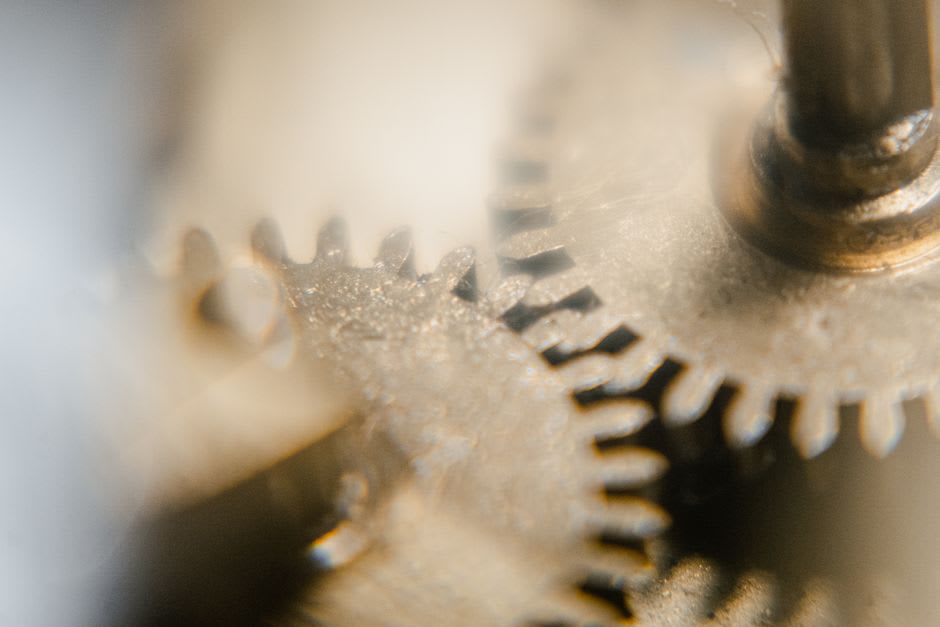
What surprised me more was the school. The clockmaking school Furtwangen opened alongside the museum in 1852 is still running, now folded into a technical university, and knowing that gave the whole visit a different weight — this wasn’t a town coasting on nostalgia for an industry that died out, it was one still training people to do the work. We ate lunch afterward at a small bakery near the museum, and I remember asking the woman behind the counter, half-joking, whether she knew any clockmakers personally. She named three without hesitating.
The cuckoo clocks are obviously the showstoppers, room after room of them, some restrained and some so elaborately carved with birds, hunters, and forest scenes that they look more like sculpture than furniture. I took a photo of one with a whole hunting party frozen mid-chase across its face and sent it to my father, who has never once expressed interest in clocks and still replied within the hour.
When to go: The museum works year-round and the indoor collection makes it a natural rainy-day refuge, but if you can, come in summer between June and August so you can pair it with a hike through the hills around Furtwangen afterward.