Ganvié
"Thirty thousand people live here, on water, and have for four hundred years — the sheer stubbornness of that fact undoes me."
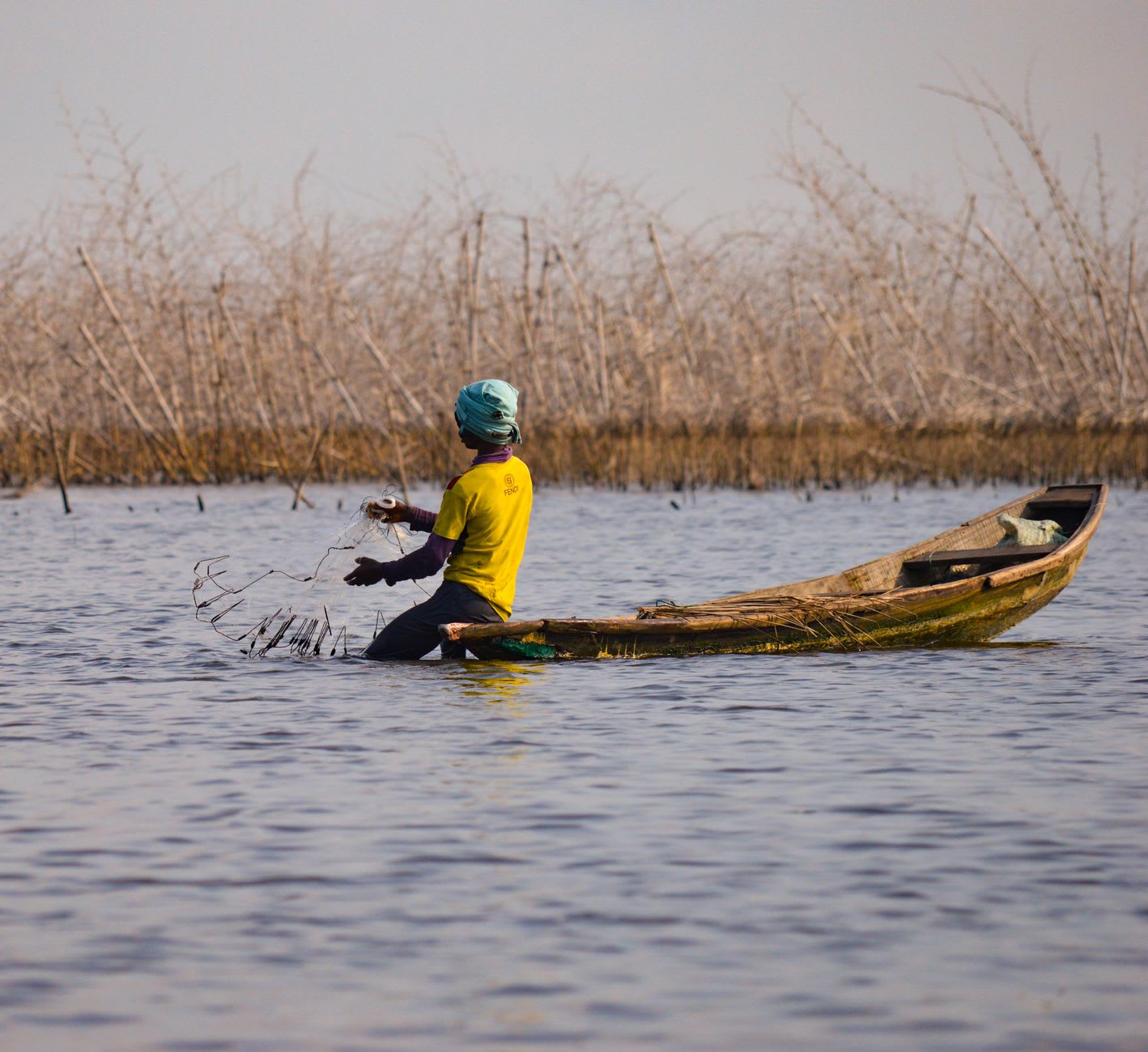
The boatman didn’t speak French and I didn’t speak Fon, so we navigated the reed beds of Lake Nokoué in silence, him standing at the stern with a long bamboo pole, punting with the slow authority of someone who has done this ten thousand times. It was maybe six-thirty when the first buildings of Ganvié appeared through the morning mist — a church steeple first, then wooden walls on stilts, then the whole improbable city materializing out of the water as if someone had simply decided that land was an overrated foundation.
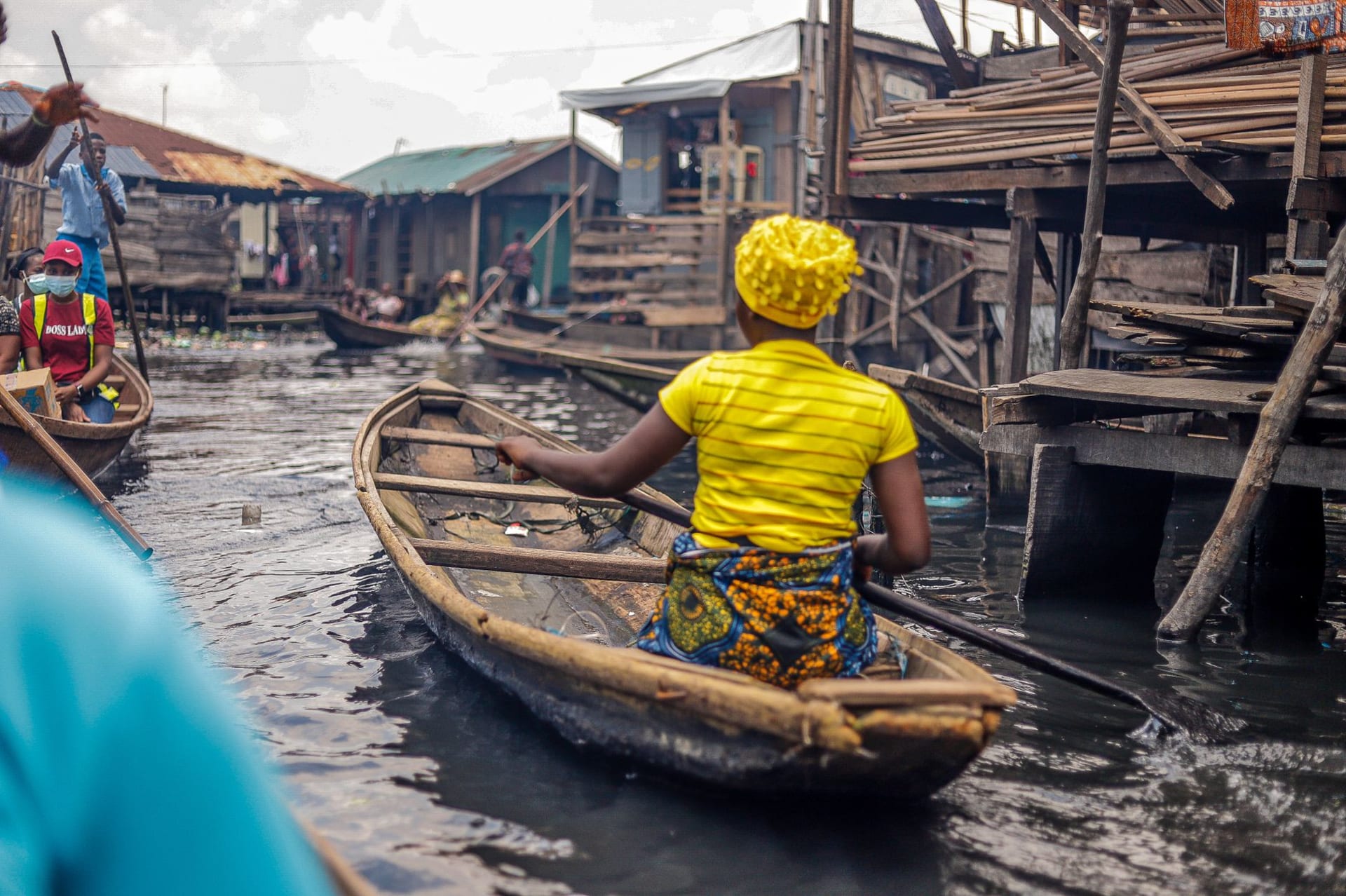
The floating market runs until around nine, when the light turns hard and the vendors begin pulling their pirogues back toward the periphery. Until then the water surface is a slow choreography of exchanges — women selling tomatoes and dried fish from canoes lashed together in pairs, children paddling to school in wooden boats barely wider than their shoulders, the smell of charcoal and frying plantain drifting from breakfast stalls over the lake. I bought a sachet of water and a fried dough ball from a woman who managed her canoe, her wares, and a sleeping infant all at the same time without visible effort. The dough was dense and slightly sweet. I ate it while the mist burned off and the lake turned the color of strong tea.
What no guidebook quite captures is how domestic Ganvié actually feels. It is not a museum. The stilt houses have satellite dishes. There are mobile phone repair stalls built on floating platforms. A teenager in a Barcelona shirt was working through math homework on a veranda above the water. The village was founded, the story goes, by the Tofinu people to escape raids from the Kingdom of Dahomey, whose cavalry couldn’t follow onto the lake. Four centuries of continuity isn’t survival against the odds — it has simply become the way of doing things, and you feel that rootedness in the way people move through the water with the ease of those who have never imagined another landscape.

I stayed one night at the hotel on stilts near the village center, listening to the lake move beneath the floorboards — a constant slapping and creaking, intimate and slightly unnerving, like sleeping on a living thing. In the morning the light came through gaps in the wooden walls in long pale bars, and I heard a rooster crowing somewhere across the water, which struck me as stranger and more beautiful than it had any right to be.
When to go: November through March offers the calmest water and sharpest morning light. The floating market is most active on weekdays before nine. Avoid July through August, when mosquitoes peak and harmattan visibility across the lake can drop to almost nothing.