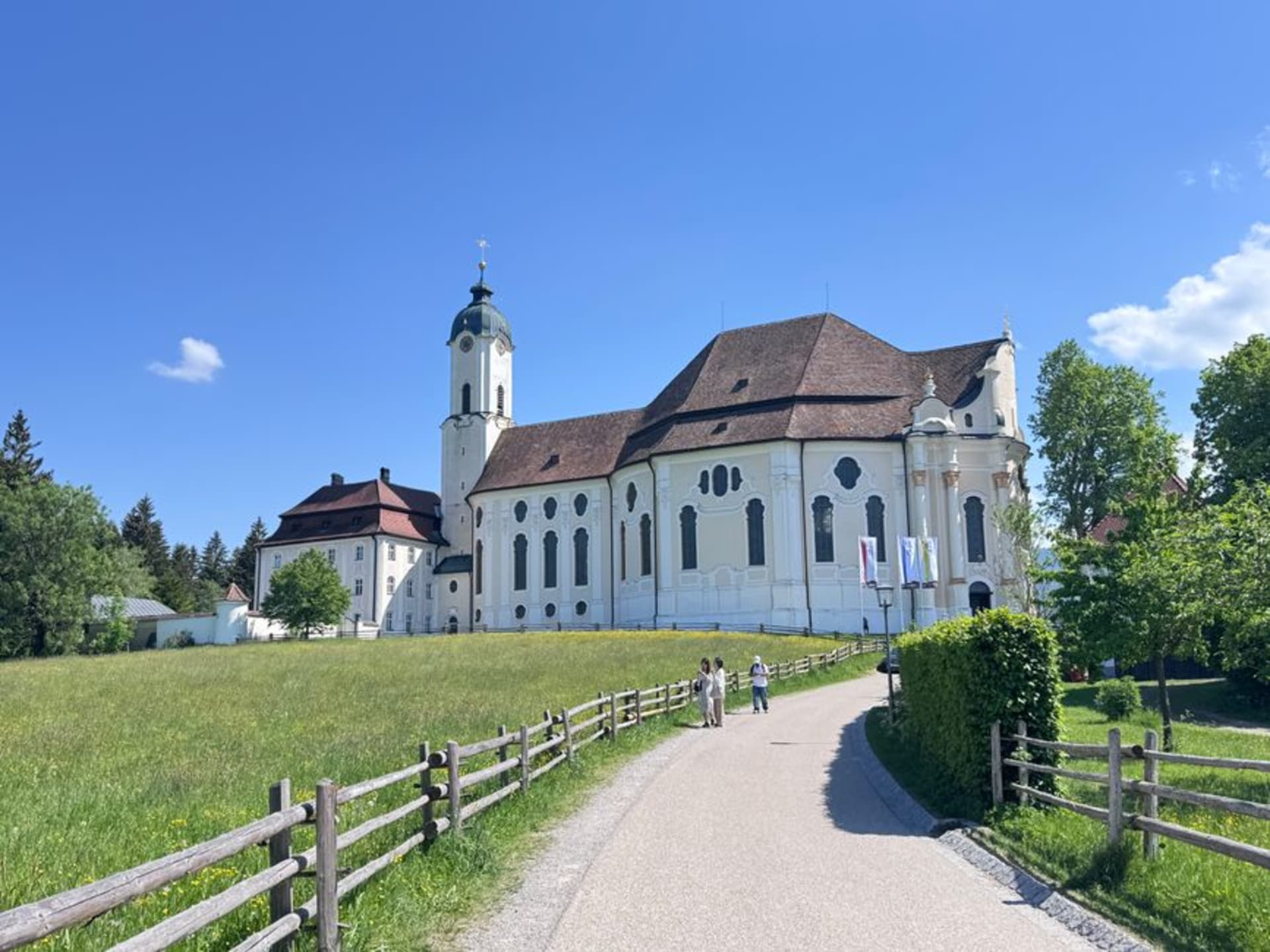
Wieskirche (Church in the Meadow)
"We drove forty minutes past nothing for a ceiling, and it was worth every kilometer."
A Rococo masterpiece hidden in a Bavarian meadow, built around a weeping wooden statue and still drawing pilgrims two centuries later.
Lia and I almost missed the turn. There’s no town to announce it, no cluster of souvenir shops warning you that something extraordinary is coming — just a narrow road cutting through Alpine farmland near Steingaden, and then, suddenly, this church rising out of a meadow like it grew there. I remember slowing the car and both of us going quiet for a second, the way you do when a place doesn’t match anything you were expecting. The Wieskirche looks almost plain from a distance, cream-colored and modest against the hills. That’s the trick of it, I think — nothing on the outside prepares you for what’s waiting inside.
The story behind it is what got me, honestly, more than the architecture at first. In 1738, a local farm woman named Maria Lory noticed tears on a wooden figure of the Scourged Christ she kept in her home — a statue that had been retired because it was considered too graphic for church use. Word spread fast through the countryside, pilgrims started showing up at her farm, and within a few years the decision was made to build a proper home for it. Dominikus and Johann Baptist Zimmermann, two brothers who’d already made names for themselves designing Bavarian churches, took on the project between 1745 and 1754, and by every account it became the work they were proudest of. Standing under Johann Baptist’s ceiling frescoes, craning my neck until it actually ached, I understood why. The color, the movement, the sheer confidence of it — it doesn’t feel like decoration, it feels like the ceiling is trying to tell you something urgent.
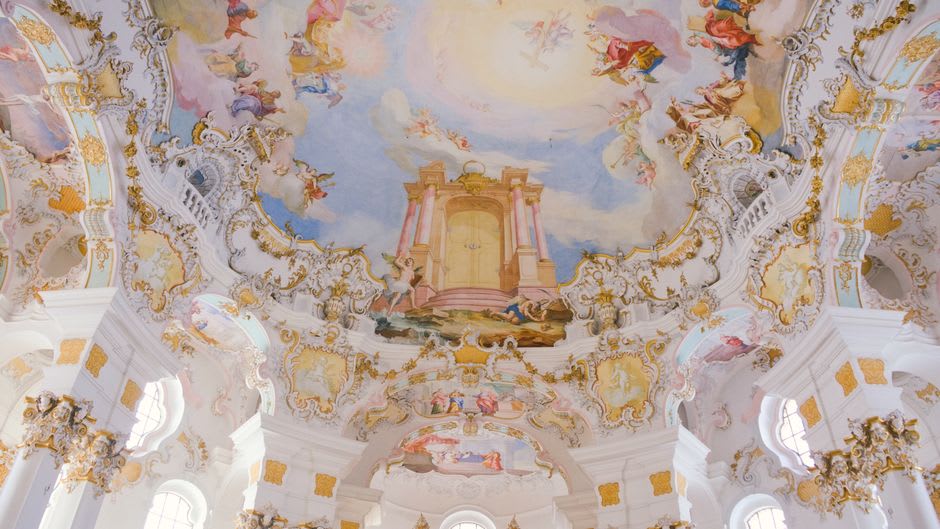
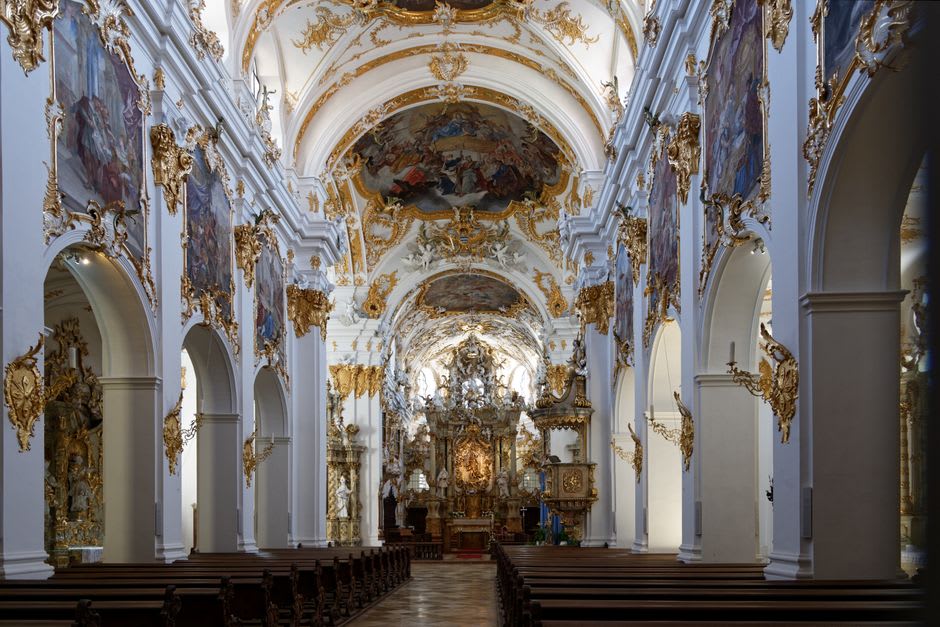
We ended up staying almost two hours, which surprised me — I’d budgeted maybe thirty minutes in my head, one of those quick detour stops. But the light coming through the tall windows kept shifting the whole scene, gold one minute, almost silver the next, and I just kept sitting in one of the pews watching it move across the gilded plasterwork. Lia lit a candle near the altar where the original weeping statue is still kept; it’s easy to forget, surrounded by all that Rococo excess, that this is still an active pilgrimage site and not a museum. People come here to pray, not just to photograph. UNESCO added it to the World Heritage list in 1983, and somewhere close to a million visitors pass through every year, yet it never felt crowded when we were there — more like everyone instinctively lowered their voices the moment they stepped inside.
On the way out we sat on the low stone wall at the edge of the meadow and just looked back at the building for a while, cows grazing somewhere off to the side, completely indifferent to the masterpiece next to them. It’s a strange, wonderful contrast — this explosion of gold and fresco sitting in the middle of working farmland, like Bavaria couldn’t decide whether it wanted to be heaven or a pasture, so it just built both.
When to go: We went in June, and the long daylight hours meant the windows kept throwing new light across the ceiling for most of our visit — I’d aim for May through September if you can, and fold it into a slower drive along the Romantic Road rather than treating it as a quick stop.
Keep exploring
More from Bavarian Alps
 bavarian-alps
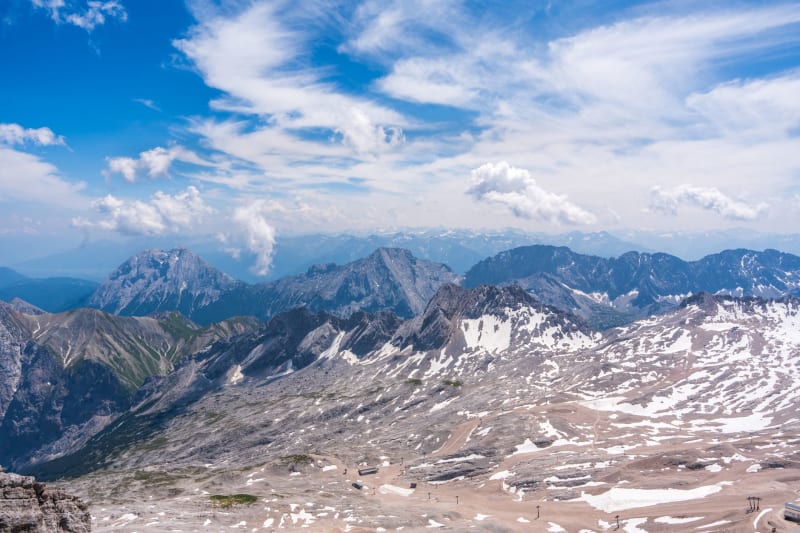
 Zugspitze
Germany's highest point at 2,962 meters, where the cogwheel train emerges from solid rock into a world that has nothing to do with the valley below.
Explore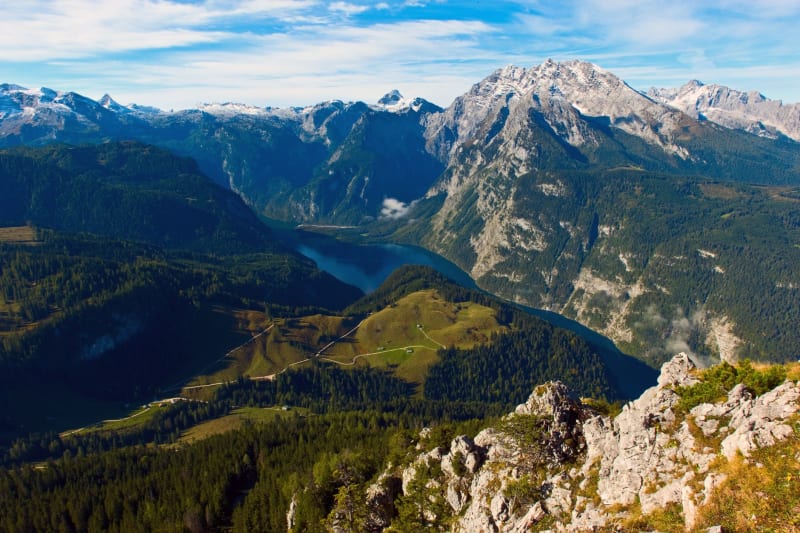 bavarian-alps
 Berchtesgaden
A market town of extraordinary beauty carrying the weight of the worst chapter of the 20th century a thousand meters above it.
Explore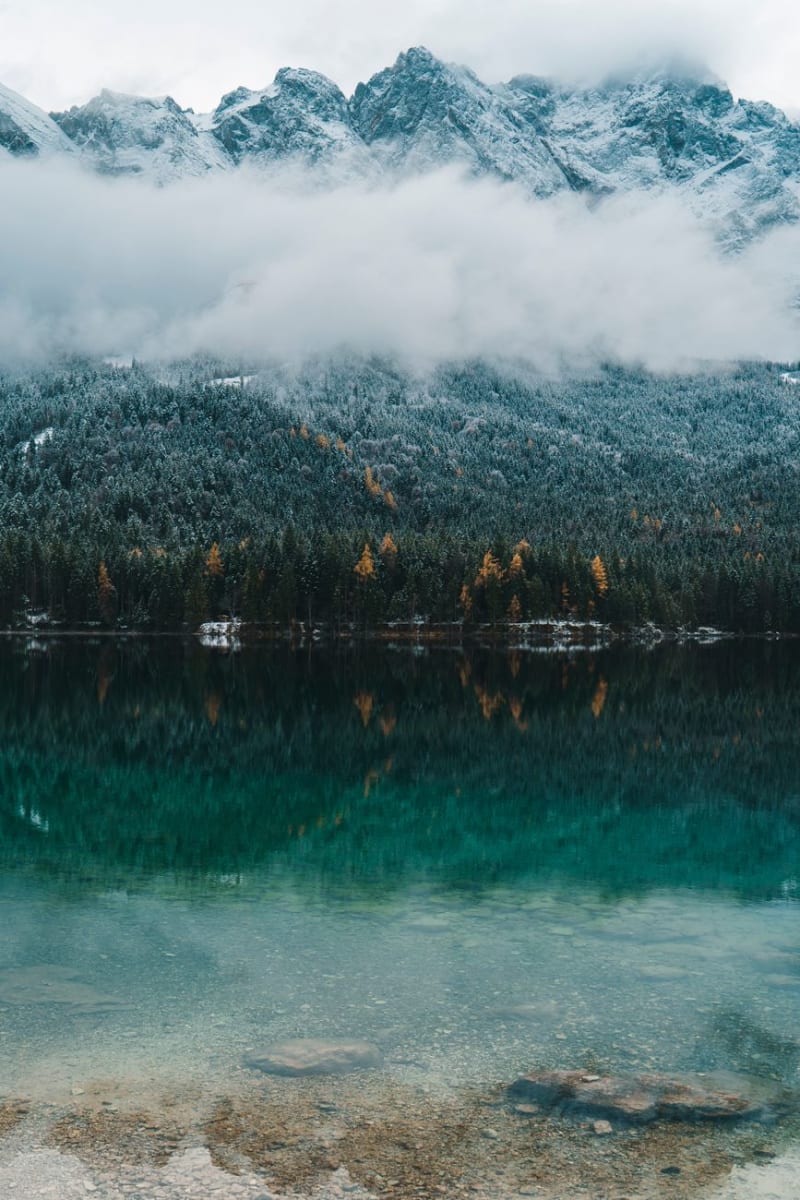 bavarian-alps
 Eibsee
A startlingly turquoise lake at the foot of the Zugspitze, ringed by forest and quietly upstaging the mountain above it.
Explore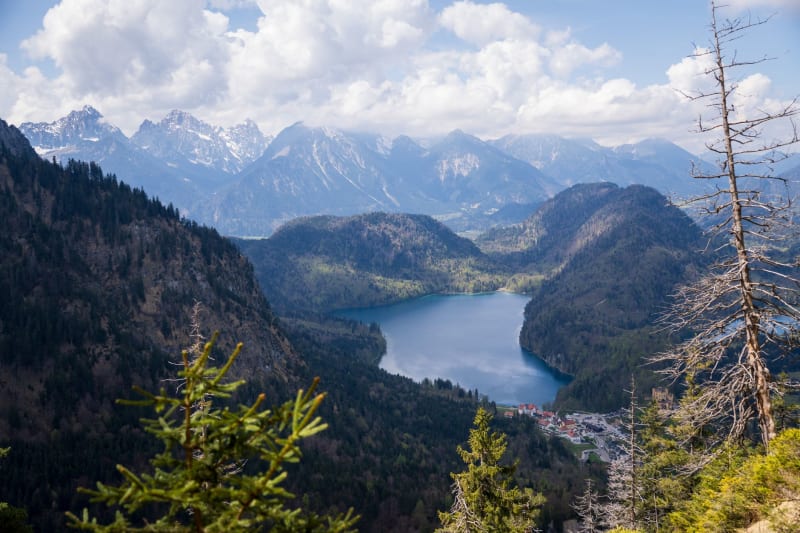 bavarian-alps
 Füssen
The medieval town at the end of the Romantic Road that most people pass through in fifteen minutes on their way to a castle.
Explore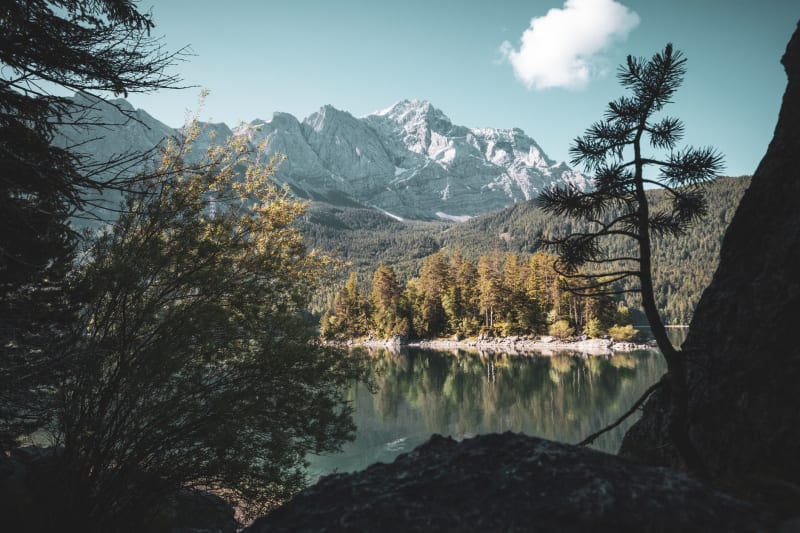 bavarian-alps
 Garmisch-Partenkirchen
A twin town where Olympic legacy and painted Baroque facades share the same cobblestoned streets under Germany's highest peak.
Explore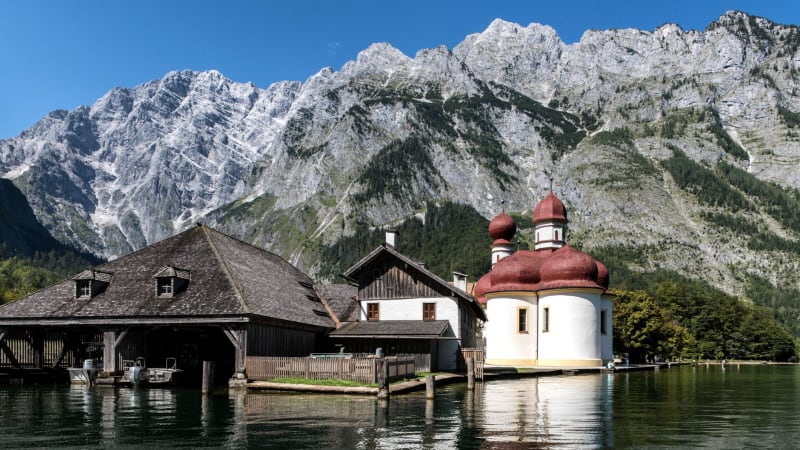 bavarian-alps
 Königssee
A fjord-like lake so enclosed by vertical walls that the boatmen play trumpet to prove the mountains answer back.
Explore