Speightstown
"Speightstown is what Bridgetown might have looked like before it got serious about being a capital."
Speightstown announces itself from the road as a place that did not get the renovation memo. Coming north along the coast highway from Holetown, the town appears abruptly: two and three-storey merchant buildings with wooden overhanging galleries that project out over the narrow pavements like eyelids half-closed against the glare. The paint is faded on some of them in a way that is not neglect but simply age, and the effect is of a town that has kept its early-nineteenth-century proportions intact by a combination of luck, modest economy, and an apparent indifference to the kind of heritage tourism that would have scrubbed it clean.
I spent two days based in Speightstown and did almost nothing ambitious. I walked Church Street in both directions, drank rum at a bar called Fisherman’s Pub that has been operating since at least the 1950s and doesn’t see any particular reason to change, and ate fried chicken at a roadside spot whose name I couldn’t determine because the sign had lost some letters and the remaining ones didn’t form a word.

The Arlington House Museum is worth three hours of your time if you have any interest in how Barbadian society actually developed. It’s housed in a restored eighteenth-century merchant’s building and covers the history of Speightstown — once an important sugar and tobacco trading port that sent ships directly to Bristol — with an honesty about slavery and the plantation economy that the more tourist-facing institutions sometimes skirt. The curator, when I visited, was a retired schoolteacher who had grown up in the town and kept interrupting the exhibits with personal asides about families he knew and buildings that had since been demolished. I learned more from him than from the panels.
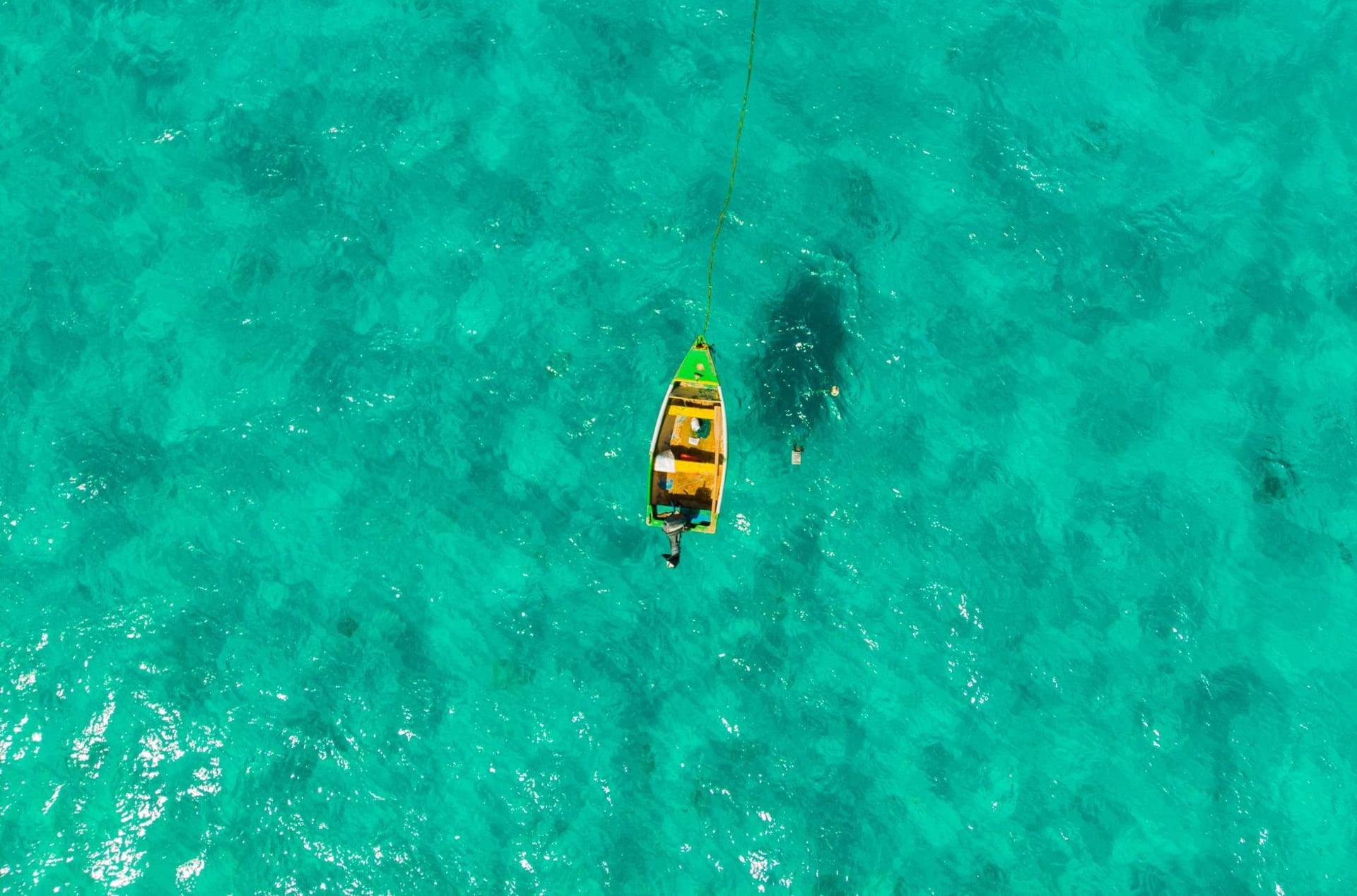
The beach immediately north of town is a public beach fronting a neighbourhood of chattel houses, where local families swim on Sunday afternoons and men play dominoes under the sea grape trees. No bar, no loungers, no vendor walking the sand. Just the sea, which is calm here on the west coast, and the light breaking up on the surface in the late afternoon into something that makes you understand why people fall in love with the Caribbean even when they arrive sceptical.

The eating in Speightstown is unglamorous and frequently very good. Mango’s By the Sea does grilled fish with a dignity that the prices justify; the roti shops near the bus terminal operate with the focused brevity of professionals who know exactly what they’re doing. I had a saltfish and ackee special one morning at a counter that seated four people and noticed that every other customer appeared to be a fisherman still in their gear.
When to go: Speightstown rewards any season, but I’d go in the shoulder months of May or November when the dry-season prices haven’t quite kicked in and the crowds from the resort belt haven’t quite arrived. The Wednesday fish fry in Speightstown is smaller and more local than Oistins — worth knowing about for those who find the south coast fish fry a bit overwhelming.