
Laguna San Ignacio
"She pushed her calf toward our boat. It was an offering. I have never felt less alone in a wild place."
The engine cut before I could see them. The guide — a man named Chuy who had been doing this for twenty-two years and whose calm was so complete it bordered on philosophical — lifted his hand and we drifted. The panga rocked gently in the flat water. Nothing for thirty seconds. Then a blow: a column of mist rising fifteen meters to our left, and the long gray back rolling slowly through the surface, and Chuy saying quietly, “Here she comes.”
What no amount of reading prepares you for is the scale. Gray whales are enormous — up to fifteen meters, forty-five tons — and when one surfaces next to a six-meter panga the proportion becomes briefly overwhelming. But it is not fear that arrives. It is something more like awe stripped of the usual distance, because these whales are not passing through. They come to the boat. The whale circled us, went under, and came up on the other side, close enough that I could see the barnacles on her flank and the particular gray-white of her eye. She had found us. That distinction matters in ways I am still thinking about.
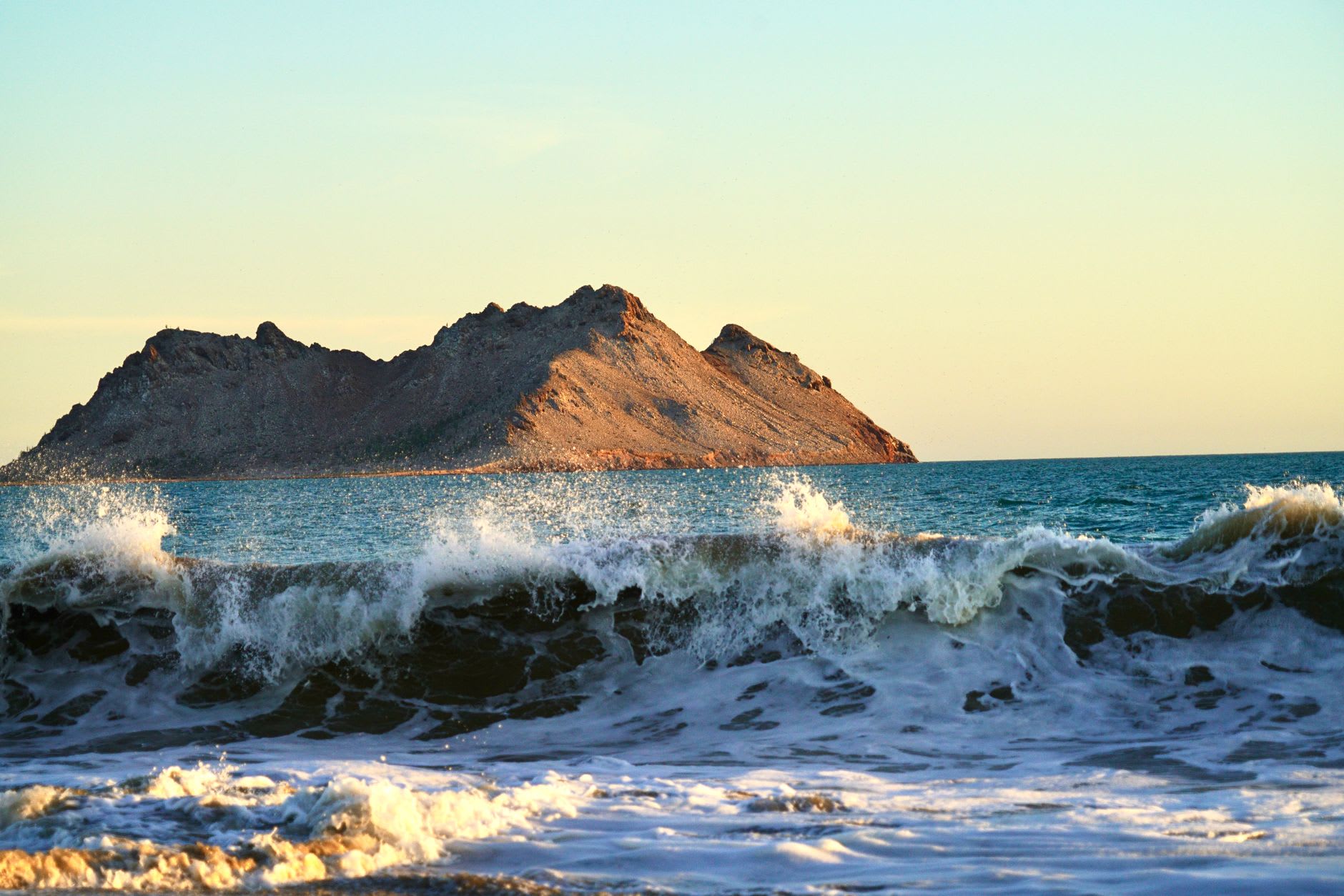
Laguna San Ignacio is a UNESCO World Heritage site and a protected biosphere, which means the access is limited and the infrastructure is deliberately minimal. You camp or stay in the modest eco-camps that a handful of local fishing families operate on the lagoon’s edge. There is no electricity in the formal sense — solar panels and generators run the essentials. At night the sky is absolute: no light pollution for a hundred kilometers in any direction, and the Milky Way reflects faintly in the lagoon’s still water. I lay on my back on the beach and tried to count things and gave up.
The whales come here each January to give birth and nurse in the warm, shallow, salt-heavy water of the lagoon. By March the calves are strong enough to begin the journey back north. The curiosity that makes them seek out boats is concentrated in the mothers with calves — biologists have various theories about why, none entirely satisfying. What the fishermen who have worked these waters for generations say is that the whales trust this place because no one has ever hunted here. There is history behind that. In the nineteenth century this lagoon was a killing ground for the American whaling fleet; the population was hunted nearly to extinction. Now, a century and a half later, the whales return and choose contact. That reversal is one of the more astonishing things the natural world has managed.
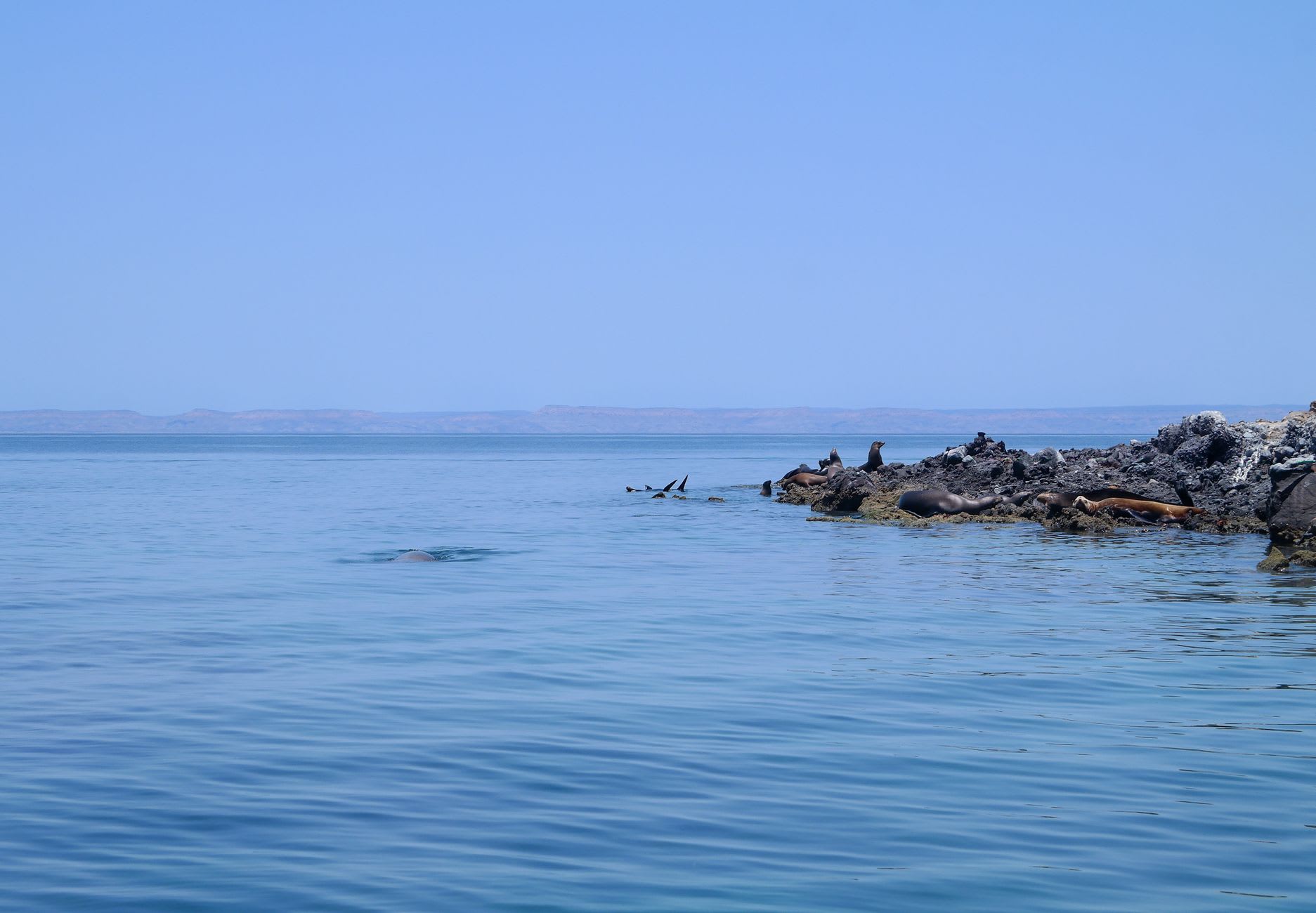
Getting here requires effort. The road from the Transpeninsular highway drops forty-five kilometers to the lagoon through desert that becomes increasingly scrubby and surreal — boojum trees, cardon cactus, a landscape that looks like it was drawn by someone who had only heard deserts described secondhand. The drive is part of the experience. By the time you reach the water you have earned the quiet.
When to go: January through March only — this is the entire window for whale season. Book a camp spot months in advance; the camps fill quickly and are strictly limited in number to protect the lagoon. Come mid-February if you want peak activity and the best chance of mother-calf encounters.